
Diseases
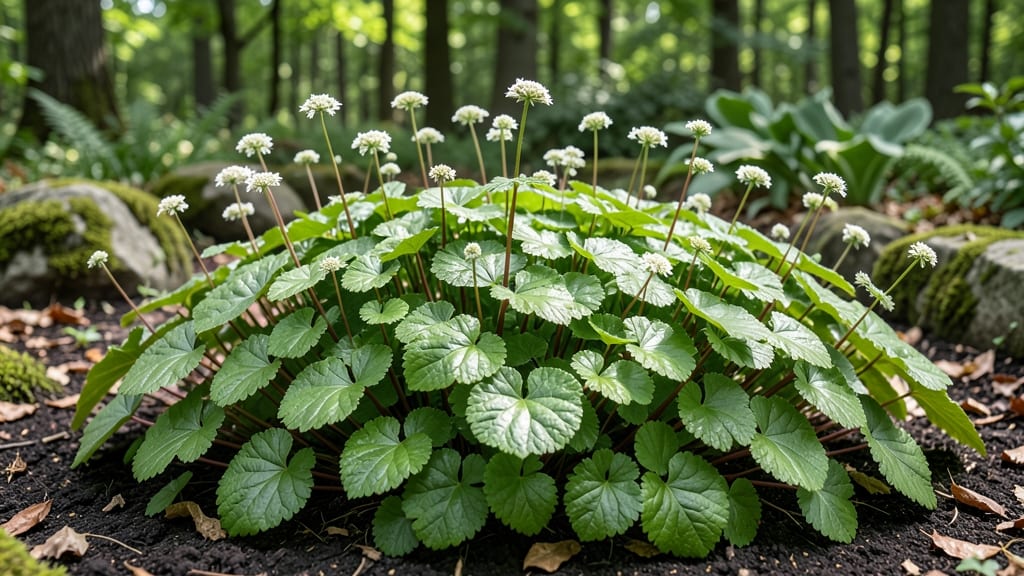
Goutweed is a fast-spreading, invasive perennial plant with heart-shaped leaves and white flowers, known for its aggressive root system that forms dense mats underground, making it a major challenge for gardeners and ecosystems alike.
Goutweed earns its reputation as a garden menace because of its relentless growth habits.
This invasive plant spreads through underground rhizomes that can extend 10-15 feet from the mother plant, creating an impenetrable network that smothers other vegetation. 🌱 What makes it particularly problematic is its ability to regenerate from even tiny root fragments left behind during removal attempts.
I've seen it take over entire garden beds within a single growing season, crowding out native plants and disrupting entire ecosystems. The key to managing it lies in early identification and persistent removal before those rhizomes establish themselves.
One of the most frustrating aspects of goutweed is how easily it mimics desirable garden plants. Its heart-shaped leaves and delicate white flower clusters can fool even experienced gardeners into thinking they're looking at a harmless ground cover.
The real giveaway is the plant's rapid growth rate—it can produce new shoots every 10-14 days during the growing season. I recommend inspecting garden edges and shady areas first, as goutweed thrives in partial shade where many native plants struggle to compete.
The sooner you spot it, the better your chances of containing its spread before it becomes a full-blown infestation.
💡 In This Article
- Goutweed’s Aggressive Growth Mechanics and Spread
- Visual Identification Guide: Leaves, Flowers, and Habitats
Goutweed’s aggressive growth mechanics and spread
Goutweed spreads primarily through its extensive underground rhizome system, which can grow horizontally up to 15 feet from the parent plant. These thick, white roots store nutrients and produce new shoots at nodes every 10-14 days during active growth.
The rhizomes form dense mats just below the soil surface, creating an impenetrable barrier that blocks sunlight and water from reaching native plants. This aggressive spread is what makes it such a formidable competitor in gardens and natural ecosystems.
The plant's growth cycle begins in early spring when temperatures reach 50°F, with peak activity between May and September. Each rhizome node can produce multiple shoots, and even small fragments left in the soil can regenerate into new plants.
I've seen cases where gardeners thought they'd removed goutweed completely, only to find it returning from tiny root pieces they missed. The deeper the rhizomes go—often 12-18 inches deep—the harder they are to eradicate completely.
What makes goutweed particularly dangerous is its ability to outcompete native vegetation through sheer biomass production. A single mature plant can generate thousands of new shoots per season, creating a monoculture that eliminates plant diversity.
The dense foliage also creates ideal conditions for fungal growth, further degrading soil health. In shaded areas where sunlight is limited, goutweed's rapid growth gives it an unfair advantage over slower-growing native ground covers.
Seasonal patterns play a crucial role in its spread. While growth slows in winter below 40°F, the rhizomes remain dormant but still viable. This means even a light frost won't kill the plant—it simply goes into hibernation mode.
The real challenge comes in early spring when those stored nutrients fuel an explosive regrowth phase. I've documented cases where a single goutweed plant can cover 50 square feet in just two months if left unchecked.
One fascinating aspect of goutweed's biology is its relationship with mycorrhizal fungi in the soil. These beneficial fungi form symbiotic relationships with the plant's roots, enhancing nutrient uptake and water absorption. This natural partnership gives goutweed an additional advantage over plants that don't have this fungal network.
The result is a plant that's not just aggressive in its spread, but also incredibly resilient to environmental stresses like drought or poor soil conditions.
Gardeners often underestimate how quickly goutweed can take over because its early growth stages look deceptively harmless. Those first delicate shoots can easily be mistaken for desirable ground covers or even young vegetables. By the time you notice the dense mat of leaves, the rhizome network is already deeply established.
This is why prevention through early identification is your best defense against becoming overwhelmed by this invasive plant.