
Diseases
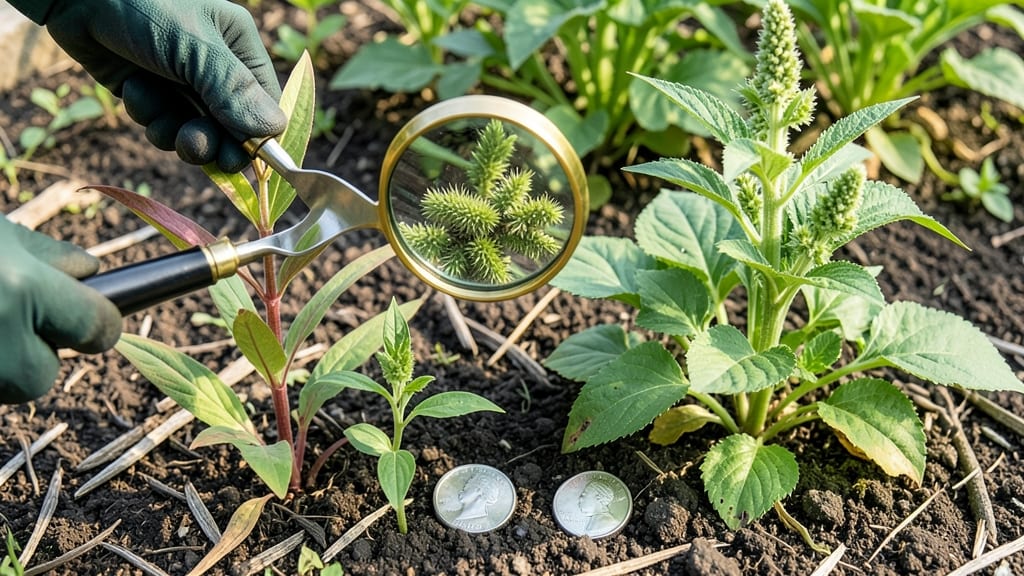
Pigweed is a fast-growing, broadleaf weed with arrow-shaped leaves and red-tinged stems that invades gardens, sidewalks, and disturbed soil. This hardy annual thrives in warm weather and spreads aggressively, competing with vegetables and flowers for nutrients and space.
Pigweed's rapid growth—up to 2 inches per day—makes it one of the most stubborn weeds gardeners face. 🌱 The plant's distinctive reddish stems and hairy seed pods help distinguish it from other weeds, though its small white flowers often go unnoticed until it's too late.
What's worse, pigweed produces thousands of seeds that can remain dormant in soil for years, ensuring it keeps popping up even after removal attempts. I've seen it choke out entire rows of tomatoes and peppers if left unchecked, which is why I treat it like a garden emergency.
This weed isn't just a nuisance—it's also a host for pests like spider mites and aphids, creating a double threat to your plants. The good news? Recognizing its early signs (those telltale arrow-shaped leaves) gives you the upper hand in controlling it before it takes over.
My go-to strategy combines hand-pulling young plants with a thick layer of mulch to smother any regrowth.
💡 In This Article
- Identifying Pigweed: Key Visual and Growth Traits
- Managing Pigweed: Organic and Chemical Control Methods
Identifying pigweed: key visual and growth traits
Pigweed's most distinctive feature is its arrowhead-shaped leaves, which grow alternately along the stem and have a slightly hairy texture when young. The leaves typically measure 1-3 inches long and have a slightly glossy appearance, making them stand out against the rougher texture of many garden weeds.
What really gives it away, though, are the reddish-purple stems that develop as the plant matures—this coloration is especially noticeable in full sun conditions, where the stems can appear almost magenta.
The growth habit of pigweed is what makes it so problematic. This annual weed can shoot up 2-3 inches per day under ideal conditions (warm soil temperatures above 70°F), reaching heights of 1-3 feet in just a few weeks.
The plant produces small, white or greenish flowers that develop into distinctive heart-shaped seed pods containing hundreds of tiny seeds. These pods split open when mature, catapulting seeds up to 5 feet away—a clever survival mechanism that explains why pigweed appears seemingly overnight in garden beds.
What most gardeners don't realize is how pigweed's root system contributes to its persistence. Unlike many weeds with shallow roots, pigweed develops a deep taproot when young, making it difficult to pull by hand.
The roots can extend 12-18 inches deep, while the fibrous root system spreads horizontally, creating a dense network that competes aggressively with crop roots for water and nutrients.
This is why you'll often see pigweed thriving in cracks in pavement, garden paths, and freshly tilled soil—it exploits any disturbed ground where competition is minimal.
The plant's life cycle adds another layer of challenge. Pigweed seeds can remain dormant in soil for 5-10 years, waiting for the right conditions to germinate. A single mature plant can produce 150,000-200,000 seeds, which explains why eradication feels nearly impossible once it establishes itself.
The seeds are also incredibly light, carried by wind and water to new locations, making containment difficult even in small gardens. 🌱
Here's how to spot the difference between pigweed and similar weeds like lambsquarters (which has more triangular leaves) or purslane (which has thick, succulent stems): Pigweed's leaves have prominent veins that create the arrowhead shape, while its stems remain upright until heavily shaded.
Another dead giveaway is the slightly zigzag pattern along the stem where leaves attach—this is rarely seen in other common weeds. When in doubt, check for those signature reddish stems and the distinctive seed pods that form in clusters.
Understanding these visual cues is your first line of defense. I've found that catching pigweed before it develops those telltale red stems saves hours of labor later.
The key is to inspect your garden regularly, especially after rain when young seedlings emerge, and remove any plants showing that arrowhead leaf pattern before they establish deep roots. Early intervention is the only way to prevent this weed from becoming a full-blown infestation.