
Advice
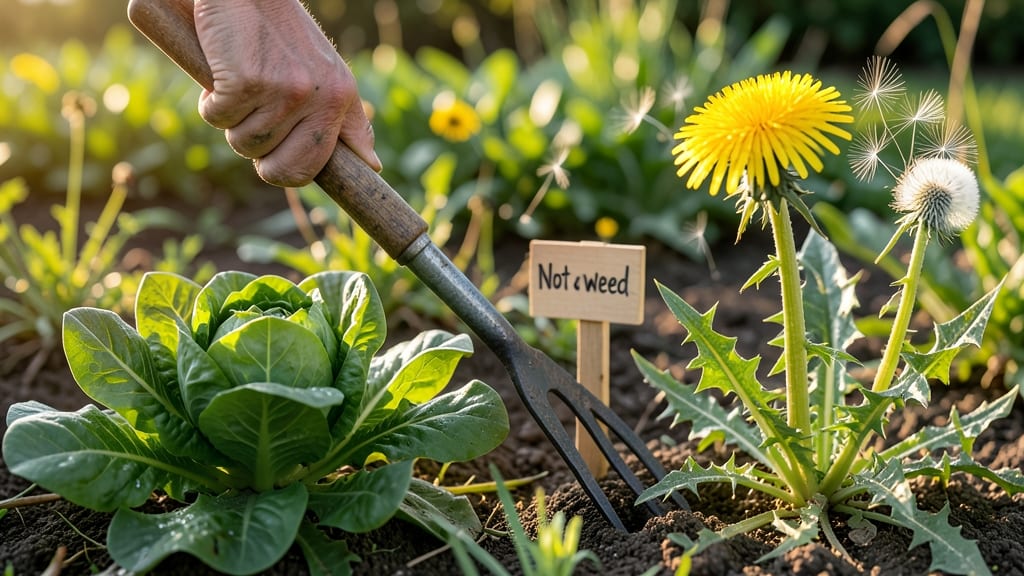
The purpose of weeds includes preventing soil erosion, enriching soil through decomposition, supporting pollinators, and acting as natural pest deterrents in gardens. Many also have medicinal or culinary uses when properly identified.
Weeds often get a bad rap, but they're actually nature's unsung heroes. 🌱 They act as living mulch, shielding soil from harsh weather and reducing water evaporation, while their deep roots break up compacted earth.
Many, like clover, fix nitrogen in the soil—turning it into a free fertilizer for nearby plants. Plus, their flowers provide vital nectar for bees and butterflies, boosting local biodiversity. Even their seeds offer food for birds and small mammals, creating a mini food chain right in your yard.
What's fascinating is how weeds adapt to thrive in disturbed areas. They're the pioneers of plant life, often the first to colonize bare patches after construction or natural disasters.
This resilience makes them key players in ecosystem recovery. 💫 Some gardeners even embrace certain weeds like dandelions, using their leaves in salads or their roots as natural coffee substitutes. The trick is learning which ones are beneficial and how to work with them rather than against them.
💡 In This Article
- Ecological Functions of Weeds in Natural Ecosystems
- How to Leverage Weeds for Garden Health
Ecological functions of weeds in natural ecosystems
Weeds play a crucial role in soil stabilization by forming dense root networks that bind topsoil together, preventing erosion from wind and water. Their fibrous roots can extend up to 3 feet deep, creating a natural lattice that holds soil particles in place—something even some cultivated plants struggle to match.
For example, creeping charlie (a common "weed") spreads horizontally with shallow roots that form a living carpet, reducing water runoff by up to 70% in disturbed areas. This is particularly valuable in sloped landscapes where erosion threatens to wash away precious topsoil.
The decomposition process of weeds acts like a natural compost system. When weeds die back, their organic matter breaks down into humus, enriching soil with essential nutrients like nitrogen, phosphorus, and potassium.
A single dandelion plant, for instance, can add 0.5-1 gram of organic material per season to the soil—enough to support nearby vegetables. Their rapid growth also means they outcompete invasive species, creating a balanced ecosystem that supports native plants.
The scent of decomposing weeds releases volatile organic compounds that signal beneficial microbes to colonize the soil, further enhancing fertility.
Weeds serve as critical pollinator magnets, with many producing flowers that bloom early in the season when few other plants are in flower. A single dandelion can yield 100-200 flowers per plant, each providing nectar for bees and butterflies.
Studies show that gardens with even 10% weed coverage can increase pollinator visits by 30% compared to weed-free plots. This early-season support is vital for bee colonies rebuilding after winter, often providing their first protein-rich pollen sources of the year.
The bright yellow flowers of dandelions, for example, contain 1.5-2.5 milligrams of pollen per flower—enough to feed a worker bee for an entire day.
As pioneer plants, weeds are nature's first responders to disturbed areas. Their ability to germinate from tiny seed banks (some weeds produce 10,000+ seeds per plant) allows them to quickly colonize bare soil after construction, fires, or floods.
In post-wildfire ecosystems, weeds like fireweed can establish within 2-3 weeks, stabilizing soil and preventing mudslides while native plants slowly recover. This ecological succession process creates microhabitats that support insects, birds, and small mammals, forming the foundation for more complex ecosystems to develop.
Many weeds also act as natural pest deterrents through allelopathy—the chemical process where plants release compounds that inhibit the growth of competitors. For example, black walnut trees (often considered weeds in some contexts) release juglone, a compound that suppresses the growth of tomatoes and potatoes within a 50-foot radius.
Similarly, wild garlic emits allyl sulfides that repel pests like aphids and cabbage worms. These chemical defenses create a natural balance that reduces the need for synthetic pesticides in garden ecosystems.
What's often overlooked is how weeds contribute to carbon sequestration. Their rapid growth and extensive root systems help store carbon in the soil, with some studies showing that weed-dominated areas can sequester 2-3 times more carbon than monoculture crops.
This underground carbon storage plays a crucial role in mitigating climate change by keeping carbon locked away in stable organic matter for decades or even centuries.