
How To
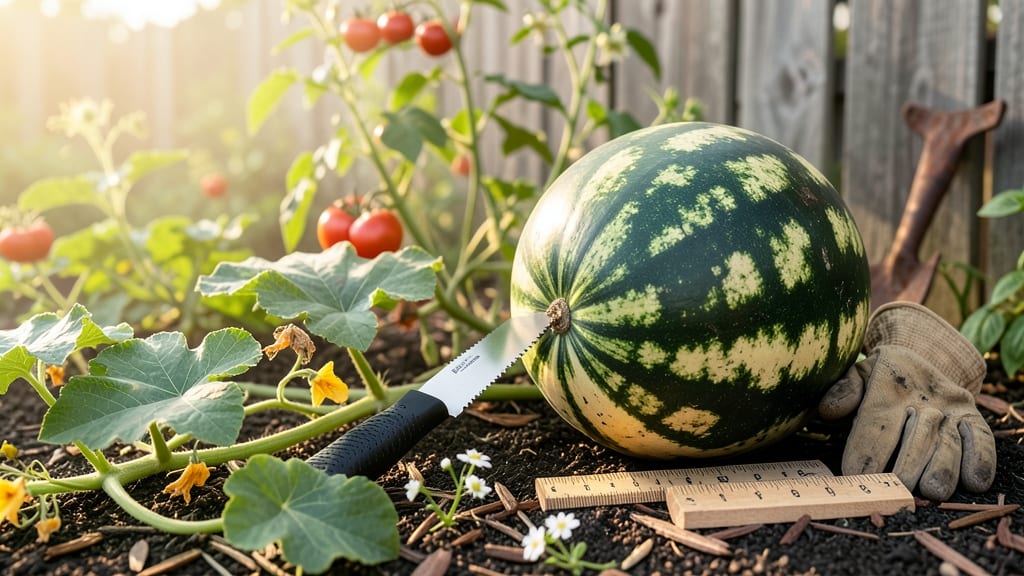
Picking a Crimson Sweet watermelon at the right moment means the difference between a burst of sweet juice and a bland, watery disappointment.
You’ve waited months for that deep crimson rind to appear, but how do you know when it’s actually ready? The answer isn’t just about color—it’s about a mix of visual cues, texture, and even sound that most gardeners miss.
From the creamy field spot on the underside to the telltale thump of a ripe melon, these five key signs will help you harvest your Crimson Sweet at peak flavor—no guesswork required.
Skip the trial-and-error and learn the exact moment to cut that vine, so you’re left with a watermelon that’s juicy, sweet, and worth every bite.

5 Key signs Crimson Sweet watermelons are ready to harvest
Crimson Sweet watermelons are prized for their sweet, juicy flesh, but harvesting at the wrong time means bland or seedy results. Unlike other varieties, Crimson Sweet’s thinner rind and faster maturation demand precise timing.
I’ve learned the hard way—overripe melons turn mushy, while underripe ones stay hard and bitter. The key? Look beyond just the red rind color and focus on these five reliable signs of perfect ripeness.
First, check the field spot—the pale, cream-colored patch where the melon rested on the ground. This spot should be fully yellow or cream-colored, not white or green. Next, examine the stem connecting the melon to the vine.
When ripe, it should dry out and separate easily when gently twisted. These two clues alone can save you from harvesting too soon. But don’t stop there—there are three more critical checks to confirm peak sweetness.
- 1 Field Spot Turns Cream-Colored: The patch where the melon touched the ground should be solid yellow or cream, not green or white. This indicates full ripeness inside.
- 2 Stem Dries and Snaps Cleanly: The stem should separate easily when twisted. If it resists, the melon needs more time. A dry, brown stem means peak ripeness.
- 3 Thump Test Sounds Hollow: Tap the melon near the stem with your knuckles. A deep, hollow sound means it’s ripe. A dull thud? Wait a few days.
- 4 Tendril Near the Melon Turns Brown: The small vine (tendril) closest to the fruit should be completely brown and crispy. If it’s still green, the melon isn’t ready.
- 5 Rind Is Deep Crimson with No Green: Crimson Sweet’s rind should be uniformly deep red, not streaked with green. A fully colored rind guarantees sweetness.
Now, let’s talk about the thump test, which is often misunderstood. Many gardeners think a loud thump means ripeness, but with Crimson Sweet, you’re looking for a dull, hollow echo. Tap near the stem end—this is where the melon’s core is most developed.
If it sounds like knocking on a drum, it’s not ready yet. Pro tip: Do this test in the morning when temperatures are cooler, as heat can make the melon sound deceptively ripe.
The tendril color is another game-changer for Crimson Sweet. Unlike thicker-rinded varieties, this melon’s tendril dries out faster and more noticeably. If it’s still green or just starting to brown, the melon needs 3–5 more days.
I once harvested a batch where the tendrils were half-brown, and the flavor was disappointing. Lesson learned: Wait until the tendril is 100% brown and brittle.
Don’t overlook the vine’s health near the melon. A ripe Crimson Sweet should have a vine that’s slightly shriveled and dried around the stem. If the vine looks plump and green, the melon isn’t ready.
This is especially true in hot, dry climates, where vines can dry out faster. In these conditions, check for ripeness earlier in the day to avoid false signals from dehydration.
Finally, size matters—but not as much as you’d think. Crimson Sweet watermelons typically weigh 15–25 pounds when ripe, but they won’t always reach this size. A smaller melon with the right color, tendril, and thump test can be sweeter than a larger underripe one.
I’ve harvested 10-pound Crimson Sweets that were bursting with flavor, while 30-pound melons tasted hollow. Always prioritize the five signs above over size alone.
Once you’ve confirmed ripeness, harvest by cutting the stem with pruners or using a knife to avoid bruising. Leave 1–2 inches of stem attached—this helps the melon last longer in storage.
Store in a cool, dry place (50–55°F) and enjoy within 2 weeks for peak sweetness. With these signs, you’ll never miss the perfect harvest again!
Why Crimson Sweet watermelon ripeness differs from other varieties
Crimson Sweet watermelons mature faster than most varieties, thanks to their thinner rinds and genetic predisposition for quicker sugar development. Unlike heirloom types that take 90+ days to ripen, Crimson Sweets typically reach peak flavor in just 75-85 days—so traditional ripeness cues need adjustment.
Their lighter weight (often 15-25 lbs) also means they won’t feel as heavy as larger varieties when ripe.
The field spot (ground contact area) on Crimson Sweets turns cream-colored earlier than other melons, sometimes by 3-5 days before full ripeness. This accelerated change means you can’t rely solely on this cue—you’ll need to combine it with stem drying and the thump test for accuracy.
Their vines also yellow faster as they near maturity, signaling harvest time arrives sooner.
Here’s how Crimson Sweet’s ripeness differs from classic varieties like Sugar Baby or Charleston Gray:
Because Crimson Sweet’s rind is thinner, it bruises more easily, so avoid rolling melons to the harvest basket—always lift gently by the stem. Their faster maturation also means you’ll need to monitor vines daily in late summer (vs. weekly for slower varieties).
If you wait too long, the rind toughens and flavor declines, unlike thicker-skinned melons that stay edible longer.
Regional adjustments matter too: In hotter climates (Zones 8-10), Crimson Sweets may ripen 10-14 days earlier than in cooler areas (Zones 6-7). Always check multiple ripeness cues—never harvest based on size alone, as Crimson Sweets reach full flavor size smaller than expected compared to other varieties.
Pro tip: Mark your planting date and use a harvest calendar to track the 75-85 day window. Set reminders for week 10-11 to start daily checks—this variety’s speed means missing the window by even 2 days can mean underripe or overripe fruit. 🌱