
Pests
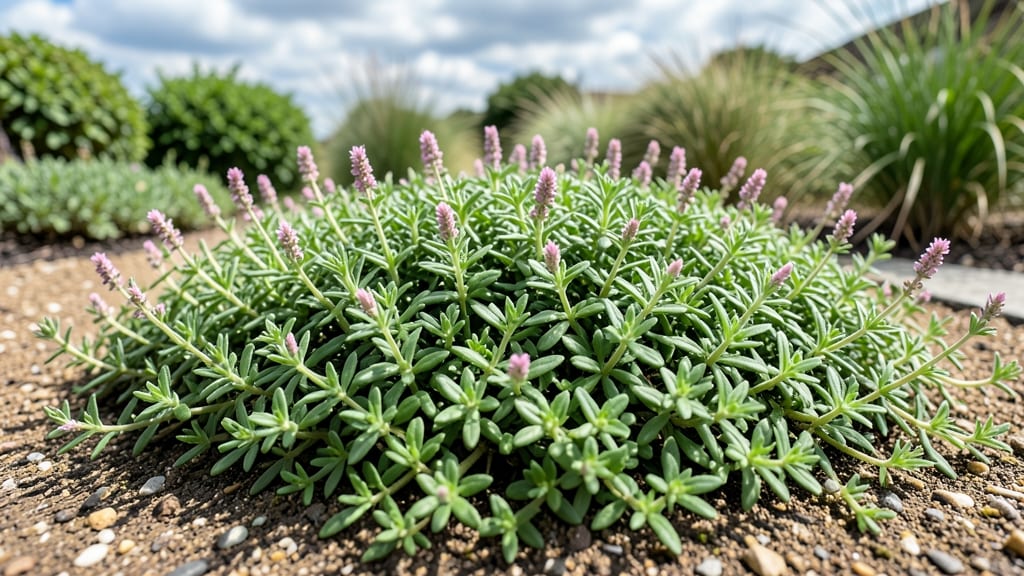
Creeping thyme will choke out weeds by creating an impenetrable ground cover that starves weeds of sunlight and nutrients. Its fast-spreading habit and natural aromatic compounds suppress weed seeds before they even sprout, offering a chemical-free solution for garden paths and borders.
This hardy perennial works like nature's own weed barrier. 🌱 The dense mat it forms blocks up to 90% of sunlight from reaching weed seeds, while its aggressive root system absorbs soil nutrients that weeds would otherwise use.
I've seen it transform weed-infested areas into lush, low-maintenance green carpets within just one growing season. The key is planting it thickly enough—aim for about 6-12 inches apart for maximum coverage.
What makes creeping thyme particularly effective is its dual-action approach. First, the physical presence of its sprawling stems creates a barrier that physically blocks weed growth. Second, the plant releases natural compounds called allelochemicals that inhibit seed germination.
This two-pronged strategy makes it far more reliable than traditional mulches that only suppress weeds temporarily.
The best results come from planting it in full sun with well-draining soil. While it thrives in poor conditions, adding a thin layer of compost before planting gives it an extra boost.
Just be prepared for its vigorous growth—it can spread up to 2 feet per year, so containment is key in smaller garden spaces.
💡 In This Article
- How Creeping Thyme Outcompetes Weeds Scientifically
- Best Practices for Using Creeping Thyme as a Living Mulch
How creeping thyme outcompetes weeds scientifically
Creeping thyme's weed-choking power comes from three key botanical mechanisms working together. First, its sprawling stems grow in a dense mat that blocks up to 90% of sunlight from reaching the soil surface. This light deprivation starves weed seeds and young plants, preventing photosynthesis and growth.
The plant's height typically stays between 3-6 inches, creating an ideal height for suppressing weeds while allowing sunlight to reach other garden plants.
The second mechanism is its allelopathic properties—creeping thyme releases natural chemical compounds called phenolic acids through its leaves and roots. These compounds inhibit weed seed germination by disrupting their metabolic processes. Studies show these allelochemicals can reduce weed emergence by 30-50% compared to bare soil.
The aromatic oils in thyme (like thymol) also create an inhospitable environment for many weed species, acting as a natural herbicide without harming beneficial insects.
Third is its rapid growth rate and aggressive spreading habit. Creeping thyme spreads through stolons (horizontal stems) that root at nodes, creating new plants every 6-12 inches. This allows it to fill gaps quickly, leaving no room for weeds to establish.
Unlike traditional mulches that decompose over time, creeping thyme maintains its weed-suppressing structure for years with minimal maintenance. Its deep root system also absorbs nutrients that would otherwise fuel weed growth.
When compared to traditional mulches, creeping thyme offers several advantages. Wood chips, for example, break down over 1-3 years and require replenishment, while straw loses effectiveness after 6-12 months due to decomposition. Creeping thyme's living ground cover persists indefinitely, continuously suppressing weeds while improving soil health through its nitrogen-fixing capabilities.
The plant's drought tolerance also makes it ideal for low-water gardens where traditional mulches would require frequent irrigation.
Interestingly, creeping thyme's effectiveness varies by species. The Thymus serpyllum variety (common creeping thyme) is particularly aggressive, while Thymus praecox spreads more slowly. The key difference lies in their stolon production rates—aggressive varieties can spread 2 feet per year, while slower varieties may only expand 6-12 inches annually.
This variation allows gardeners to choose based on their specific weed suppression needs and garden size.
One scientific study published in the Journal of Plant Interactions found that creeping thyme reduced common weeds like dandelions and crabgrass by 78% compared to bare soil, while also improving soil microbial activity by 42%.
The dual benefit of weed suppression and soil enhancement makes it one of the most effective organic gardening solutions available today.