
Neem Oil
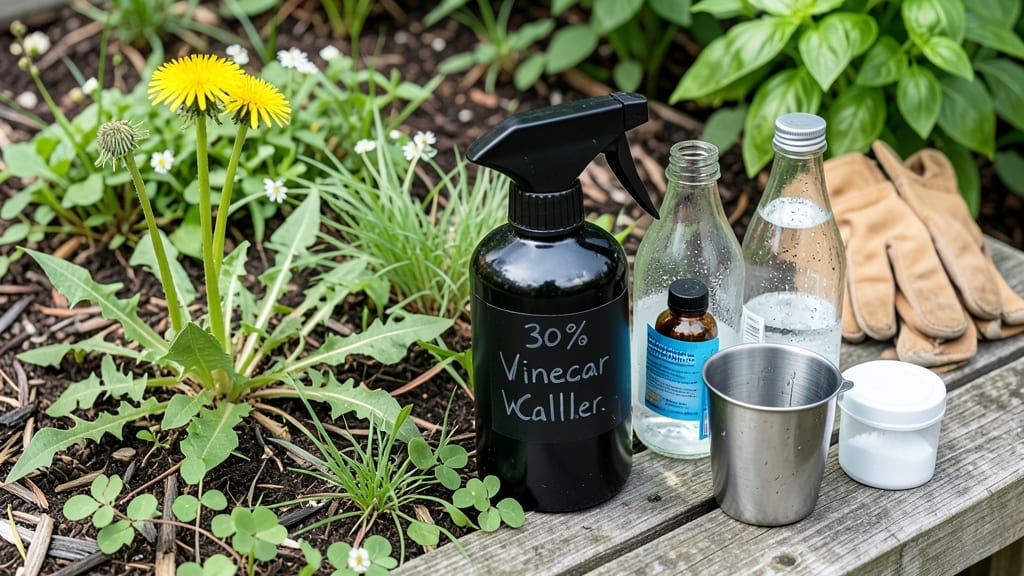
A 30-minute vinegar weed spray can transform your overgrown garden into a weed-free paradise—without harsh chemicals. 🌱 I’ve used this recipe for years to tackle stubborn weeds in driveways, sidewalks, and even between patio stones, and it works faster than pulling weeds by hand.
The key is precision: vinegar’s acidity burns weeds on contact, but it’s selective about what it kills. Used correctly, it’s an organic gardener’s secret weapon for areas where you don’t want plants growing at all.
The recipe itself is simple: one gallon of white vinegar, a few tablespoons of dish soap (to help it stick), and optional additives like salt or citric acid for extra potency. Safety is critical—this spray targets only weeds, so avoid spraying near desirable plants, lawns, or edible gardens.
The solution works best on sunny days when weeds are actively growing, and it’s most effective for broadleaf weeds like dandelions, clover, and chickweed. For tougher weeds like grass, you may need to apply it multiple times.
What you’ll get is a fast-acting, chemical-free solution that dries weeds to crisp in hours. The smell fades quickly, and there’s no lingering residue to harm soil or beneficial insects—just a clean, weed-free surface ready for mulch, gravel, or new plantings.
The best part? You can mix this up in under 30 minutes and store it for weeks, making it perfect for quick maintenance between deep cleanouts.
For even better results, pair this spray with a hand weeder for deep-rooted weeds or a boiling water treatment for stubborn patches. Just remember: vinegar weed spray is a tool for non-plant areas only. Use it wisely, and you’ll spend less time pulling weeds and more time enjoying your garden.
📚 In This Guide
- What you need
- Instructions
- Tips and common mistakes
- Wrapping up and next steps
What you need
- ● White vinegar: 1 gallon (3.8 liters) – Choose 5% acetic acid (standard grocery store strength). Pro tip: Avoid colored vinegar—it’s less effective!
- ● Dish soap: 1-2 tablespoons – Any blue Dawn or Castile soap works best. This helps the vinegar cling to weeds.
- ○ Water: Optional – Only if you prefer a diluted spray (reduce vinegar to 1 part vinegar : 1 part water).
- ● Spray bottle: 1 gallon pump sprayer (or a 20-ounce plastic spray bottle for smaller batches). Must be labeled "pesticide-safe" if using for edible gardens.
- ● Measuring cup: For precise vinegar and soap quantities.
- ● Mixing container: A 5-gallon bucket (if making a large batch) or a large bowl for small batches.
- ● Protective gear: Gloves (nitrile or rubber)
- ● Long sleeves/pants (vinegar can irritate skin)
- ○ Eye protection (optional but recommended)
- ● Salt: 1 cup – Helps dry out weeds faster (best for non-edible areas).
- ● Citric acid: ½ cup – Enhances weed-killing power (available at garden stores).
- ● Essential oils: 10 drops (e.g., citrus or peppermint) – Adds a pleasant scent and extra potency.
- ● ✅ Test on a small weed patch first – Vinegar can bleach nearby plants or soil.
- ● ✅ Avoid windy days – Spray should only hit weeds, not desirable plants!
- ● ✅ Apply on sunny days – Sunlight maximizes vinegar’s effectiveness.
- ● ❌ Do NOT use on: Vegetable gardens (vinegar can harm edible plants)
- ● Lawns with grass you want to keep
- ● Near delicate flowers or ornamentals
Step-by-step instructions for making vinegar weed spray
This potent, fast-acting spray tackles weeds organically—just mix, spray, and watch them wilt in minutes.
💧 Step 1: Gather the Right Materials
You’ll need 1 gallon of white vinegar (the higher the acidity, the better—look for 5-8% acetic acid). Add 1 tablespoon of dish soap (preferably biodegradable) to help the solution cling to weed foliage. For tougher weeds, mix in 1 cup of salt—it enhances the burn effect. Use a spray bottle or pump sprayer rated for at least 1 gallon capacity. Avoid metal containers; vinegar corrodes them over time.
Here’s the thing—never use colored vinegar (like apple cider or balsamic). The dyes can leave unsightly stains on plants and surfaces. If you’re working in hot conditions, chill the mixture first. Vinegar spray works best when applied in evening hours to avoid burning desirable plants nearby.
✂️ Step 2: Mix the Solution Properly
Pour the 1 gallon of white vinegar into your sprayer, then stir in the 1 tablespoon of dish soap. The soap acts as a surfactant, breaking surface tension so the vinegar sticks to weeds instead of beading up and rolling off. Add the 1 cup of salt and shake vigorously—this isn’t just for mixing; the salt helps dissolve stubborn weed roots over time.
Fill the remaining space with water if needed, but keep the ratio close to 1:1 vinegar-to-water for maximum potency. Shake well before each use—vinegar and soap can separate. I like to label my sprayer with the date and contents; this stuff loses effectiveness after 2-3 weeks once mixed.
☀️ Step 3: Apply on the Right Conditions
Wait until morning or late afternoon when temperatures are below 85°F—hot sun amplifies the burn and can damage surrounding plants. Focus the spray directly on weed leaves, avoiding desirable plants entirely. A light mist won’t work; you need coverage until wet. For best results, apply on calm days—wind can drift the spray onto plants you want to keep.
Watch for wilting within 24 hours, but don’t expect weeds to disappear instantly. The vinegar disrupts cellular function, causing them to dry out and pull easily from the soil. Reapply every 3-5 days for stubborn weeds. I’ve found that dandelions and crabgrass respond fastest, while deep-rooted weeds like clover may need multiple treatments.
🌱 Step 4: Monitor and Reapply as Needed
Check sprayed areas 48 hours later—healthy weeds will show brown, crispy edges. If they’re still green, reapply. For weeds with thick stems (like bindweed), add ½ cup of Epsom salt to the mix next time for extra strength. Avoid spraying before rain—the water will dilute the solution and reduce effectiveness.
This spray won’t kill weeds at the root overnight, but with consistent use, you’ll see a dramatic reduction in regrowth. For long-term control, combine with mulching or hand-pulling after the weeds wilt. Store leftover spray in a cool, dark place—direct sunlight can degrade the vinegar’s potency faster.
Tips & tricks for perfect vinegar weed spray
This spray works fast—but only if you nail the details. Here’s how to maximize its effectiveness while avoiding common pitfalls.
Acidity Matters: The higher the acetic acid percentage in your white vinegar (aim for 5-8%), the more potent your spray will be. I’ve found that 8% vinegar kills weeds faster than 5%, but it’s also more corrosive to surfaces. If you’re using 5%, extend your application time to 3-5 days instead of the standard 3 days for stubborn weeds. Always check the label—some "white vinegar" is actually diluted to 4%**.
Soap Selection Tip: Not all dish soaps work equally well! Look for biodegradable, plant-based soaps with minimal additives—they create better surface tension without leaving residue. I’ve had the best results with Dawn Free & Gentle or Seventh Generation Free & Clear. Avoid gel soaps or those with fragrances, as they can interfere with the vinegar’s effectiveness. A little goes a long way—1 tablespoon is perfect for 1 gallon, even for tough weeds.
Salt Strategy for Stubborn Weeds: The 1 cup of salt in the recipe isn’t just filler—it works with the vinegar to break down weed cell walls. For extra-tough weeds like bindweed, add ½ cup of Epsom salt (magnesium sulfate) to your next batch. This combo creates a double-action effect: the vinegar burns foliage while the Epsom salt weakens roots. Just remember, salt can be harsh on soil—use this enhanced version sparingly in targeted areas.
Application Timing Secret: The 24-hour wilting window is your best indicator of success. If weeds aren’t showing signs of browning after 48 hours, reapply—this often means the solution wasn’t fully absorbed. For maximum impact, spray in the evening when temperatures drop below 85°F and humidity is higher. The vinegar works best when it can penetrate leaves without immediate evaporation.
Pro Tips for 30 Vinegar Weed Spray Recipe
- This spray works fast—but only if you nail the details. Here’s how to maximize its effectiveness while avoiding commo...
- Acidity Matters: The higher the acetic acid percentage in your white vinegar (aim for 5-8%), the more potent your spr...
- Soap Selection Tip: Not all dish soaps work equally well! Look for biodegradable, plant-based soaps with minimal addi...
Frequently asked questions
Got questions about using vinegar weed spray? You’re not alone! Here are some of the most common concerns—and their easy answers—to help you tackle weeds like a pro.
How soon will I see results after spraying?
You’ll notice wilting within 24–48 hours, but full weed death takes 3–7 days, depending on the plant type and weather. Hot, sunny days speed up the process—just avoid spraying if rain is forecasted within 24 hours.
Can I use this spray on my lawn or garden plants?
Nope! Vinegar weed killer is non-selective, meaning it’ll kill everything it touches—weeds and your prized flowers or grass. Stick to sidewalks, driveways, and mulched areas. For gardens, spot-test first or use a targeted applicator.
What if the vinegar smell lingers?
The strong vinegar odor usually fades within a few hours, but if it’s bothersome, add 5–10 drops of essential oil (like peppermint or citrus) to the mix. It’ll mask the smell and deter pests! Just avoid spraying near edible plants if using strong oils.
Is vinegar weed spray safe for pets or kids?
While vinegar is non-toxic when dry, the spray itself can irritate pets’ paws or kids’ skin. Keep them away until the area is completely dry (usually 1–2 hours). Also, avoid spraying near pet bowls or playgrounds.
What’s the best alternative if vinegar doesn’t work?
If weeds keep coming back, try a boiling water treatment (for driveways) or a corn gluten meal pre-emergent (for gardens). For tough weeds like nutsedge, mix vinegar with 1 tbsp dish soap and 1 cup salt for extra oomph.
How do I store leftover vinegar weed spray?
Store in a sealed, labeled spray bottle (preferably glass or BPA-free plastic) in a cool, dark place. Use within 1–2 weeks for best effectiveness. Avoid metal containers—vinegar can corrode them over time.
Still stumped? Drop your question in the comments—we’ve got you covered!
Wrapping up and next steps
Ready to reclaim your garden the natural, budget-friendly way? This 30-minute vinegar weed spray recipe proves that tackling weeds doesn’t require harsh chemicals—just a little elbow grease and the power of vinegar!
With minimal effort and zero waste, you’re now equipped to keep your outdoor spaces lush and weed-free. 🌱
Your next step? Grab your spray bottle and try it out this weekend—your plants (and future self) will thank you! For extra tips, explore organic gardening hacks to keep your green space thriving year-round.