
Advice
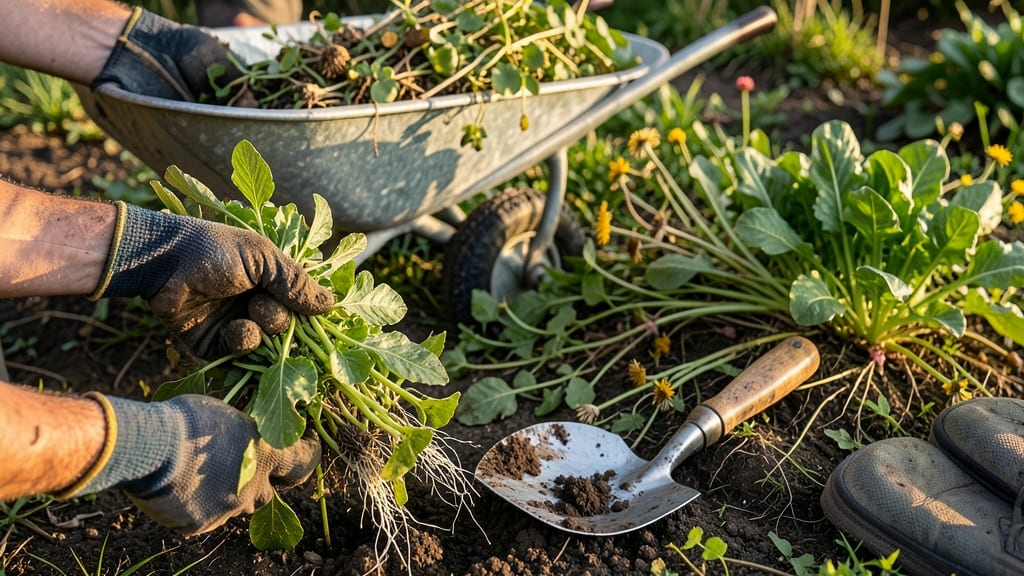
Pulling weeds isn't a waste of time—it prevents nutrient competition, reduces disease spread, and improves air circulation for plants. However, overworking soil can disrupt microbial balance, so balance manual removal with mulching or smarter cultivation methods for long-term garden health.
Pulling weeds actually helps your garden thrive by preventing invasive species from stealing nutrients and water from your plants. 🌱 The key is to avoid excessive tilling, which can harm beneficial soil microbes and disrupt the natural ecosystem.
I’ve found that combining regular removal with organic mulch creates a sustainable cycle—suppressing weeds while improving soil fertility over time.
Think of it like maintaining a healthy lawn: you wouldn’t ignore dandelions forever, but you also wouldn’t rip up the entire yard every week. The same principle applies to gardens—consistent, thoughtful removal keeps your plants strong without damaging the soil structure.
💡 In This Article
- How Weed Removal Affects Soil Ecosystems
- Smart Weed Control Alternatives for Sustainable Gardens
How weed removal affects soil ecosystems
Weeds compete aggressively for nutrients, water, and sunlight—often outpacing desirable plants. A single dandelion can spread 150,000 seeds per year, while deep-rooted weeds like quackgrass can penetrate up to 6 feet into soil, siphoning vital minerals like nitrogen and phosphorus that your vegetables need.
Studies show that unchecked weeds can reduce crop yields by 30-50% in home gardens, making removal a direct investment in plant vitality.
The real trade-off lies in how you remove them. Hand-pulling with roots intact disrupts weed networks but also disturbs soil structure less than tilling. However, excessive tilling—even with a hoe—can shred beneficial fungal networks like mycorrhizae, which connect plant roots and transfer nutrients.
These microbes thrive in undisturbed soil; one teaspoon contains up to 1 billion bacteria and 50 miles of fungal filaments. Aggressive removal methods can reduce microbial diversity by 40% within weeks.
Root systems matter too. Weeds like crabgrass develop shallow, fibrous roots that compete for surface moisture, while deep-rooted weeds like bindweed create underground pipelines that steal water from your plants' deeper roots. Removing these prevents nutrient theft but also opens pathways for soil erosion.
The key is timing: pull weeds when soil is moist (after rain) to minimize resistance and preserve soil aggregates—those crumbly clusters that hold water and nutrients.
Consider the sensory clues: healthy soil smells earthy and slightly sweet, while overworked soil has a flat, stale aroma. When you pull weeds, you're not just removing invaders—you're also exposing the soil to sunlight, which can accelerate microbial activity.
This is why gardeners often see a 20-30% boost in soil respiration (a sign of active decomposition) after careful removal, as organic matter breaks down faster with improved aeration.
For long-term health, think of weed control as a balance: remove enough to protect your plants, but preserve the soil's living ecosystem. Even the most aggressive weeds can become allies when managed properly—like allowing clover to fix nitrogen while suppressing weeds naturally.
The goal isn't eradication, but ecological harmony, where your plants and soil microbes thrive together.
Here's what most gardeners miss: the hidden benefits of strategic removal. Weeds often indicate soil imbalances—like high nitrogen (favoring broadleaf weeds) or compacted layers (encouraging grassy invaders). By addressing the root causes (literally and figuratively), you're not just pulling weeds—you're diagnosing your garden's health. 🌱