
Diseases
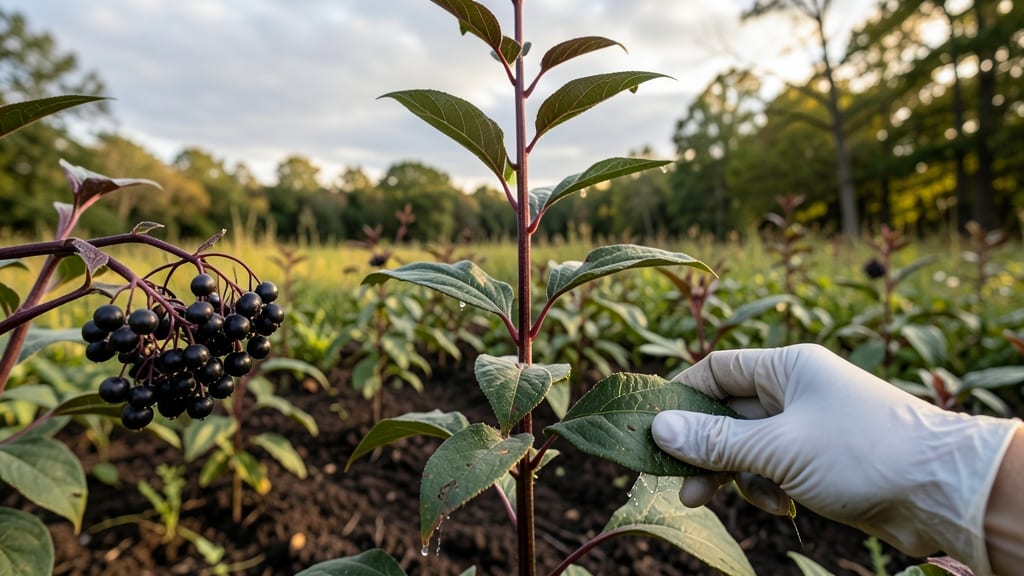
American pokeweed rash appears as itchy, red, blistering skin reactions when exposed to Phytolacca americana sap, typically within hours. Symptoms range from welts and swelling to occasional fever, so immediate soap-and-water washing helps minimize irritation.
This skin reaction happens because pokeweed sap contains phytolaccatoxin, a natural irritant that triggers your immune system's defensive response. 🌿 While some people develop mild redness, others experience severe blistering—especially if they have sensitive skin or allergies.
The reaction often starts where the sap touched, like arms, legs, or hands, and can spread if not cleaned promptly.
What makes this rash tricky is that symptoms may not appear until hours after exposure, giving you a false sense of safety. That's why I always recommend wearing gloves when handling plants you're unfamiliar with, even in your own yard.
The good news? Most cases clear up within a week with proper care, but severe reactions should be checked by a doctor.
💡 In This Article
- How Pokeweed Plant Sap Triggers Skin Reactions
- First Aid and Long-Term Prevention for Pokeweed Rash
How pokeweed plant sap triggers skin reactions
The reaction begins when your skin comes into contact with Phytolacca americana sap, which contains phytolaccatoxin—a potent irritant that disrupts cell membranes. This compound triggers an inflammatory response by activating your immune system's mast cells, which release histamine and other chemicals causing redness, itching, and swelling.
The sap's stickiness ensures it clings to skin, increasing exposure time and severity of symptoms. 🌿
Pokeweed's berries, leaves, and stems all contain varying concentrations of irritants, but the sap is most concentrated in the stems and roots. When you crush or cut these parts, the plant releases additional irritants into the air, which can cause reactions even without direct skin contact.
Studies show that phytolaccatoxin concentrations peak in mature plants (over 2 years old), explaining why gardeners often report worse reactions during late summer or fall when plants are fully grown.
Your skin's sensitivity plays a huge role in how severe the reaction becomes. People with eczema, allergies, or compromised skin barriers often experience more intense blistering because their immune systems overreact.
The reaction typically appears within 12-48 hours after exposure, with initial symptoms including localized redness that quickly progresses to raised welts or blisters filled with clear fluid. In rare cases, systemic reactions like fever or swollen lymph nodes occur when the body mounts a broader immune response.
Interestingly, pokeweed's irritants work differently than poison ivy's urushiol. While urushiol binds permanently to skin proteins, phytolaccatoxin is water-soluble, meaning immediate rinsing can significantly reduce symptom severity. This is why washing within 5 minutes of exposure often prevents full-blown reactions.
The plant's irritants also lack the same long-term sensitizing effects as poison ivy, meaning you won't develop worsening reactions with repeated exposure.
Children are particularly vulnerable because their thinner skin absorbs irritants more easily. I've seen cases where kids develop reactions from simply brushing against pokeweed while playing near wooded areas.
The rash often appears on exposed areas like arms, legs, and faces, with the most severe reactions occurring where the skin was broken or sweaty during exposure. This is why gardeners working in hot conditions report more intense reactions—the combination of heat and moisture increases skin permeability.
What's fascinating about pokeweed's chemistry is that while its sap causes skin irritation, some Native American tribes historically used controlled doses of the plant's roots for medicinal purposes. The key difference lies in preparation methods—medicinal use involved specific processing to remove or neutralize the irritants.
This dual nature of the plant highlights why proper identification and handling are absolutely critical when dealing with wild plants. 💡