
Flowers
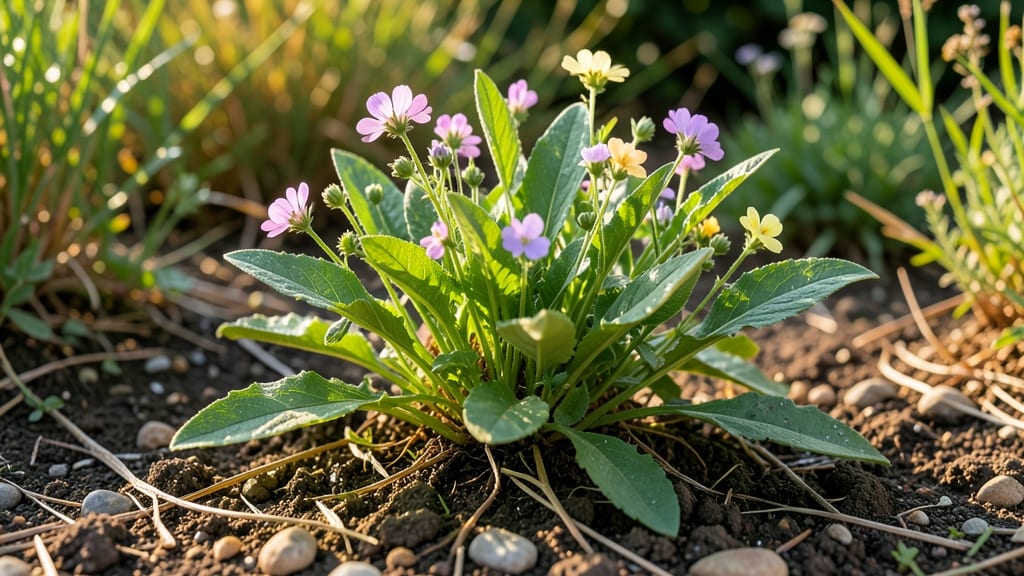
Wildflowers are not weeds—they’re non-cultivated plants that grow naturally, often adding ecological value, pollinator support, and aesthetic beauty to gardens. Weeds, by contrast, are typically invasive, aggressive, or unwanted in cultivated spaces.
Wildflowers thrive where they’re planted—whether intentionally or naturally—while weeds disrupt ecosystems by outcompeting native plants. 🌸 The key difference lies in their purpose: wildflowers support biodiversity and attract bees, butterflies, and birds, whereas weeds often spread uncontrollably, choking out desired vegetation.
Many gardeners intentionally cultivate wildflowers for their ecological benefits, proving that what you call a "weed" often depends on your gardening goals.
This distinction matters because wildflowers can transform a garden into a thriving habitat, while weeds typically signal an imbalance. For example, clover might be a wildflower in a meadow but a weed in a manicured lawn.
Understanding this helps you make intentional choices about what to preserve—and what to manage—in your outdoor spaces.
💡 In This Article
- Botanical Differences Between Wildflowers and Weeds
- How to Encourage Wildflowers in Your Garden
Botanical differences between wildflowers and weeds
At their core, wildflowers and weeds share one trait: they're both plants that grow without direct human cultivation.
But here's where the science gets fascinating—wildflowers are typically native species adapted to local ecosystems, while weeds are often non-native invaders that disrupt those systems. 🌿 Wildflowers like black-eyed Susans or milkweed have evolved alongside native pollinators, creating mutually beneficial relationships that support entire food webs.
Weeds, however, lack these ecological connections and instead exploit resources aggressively, often through rapid reproduction or chemical warfare against competitors.
The growth habits reveal even more differences. Wildflowers usually develop deep root systems that improve soil health over time, while weeds often have shallow, fibrous roots that spread quickly but don't contribute to soil structure.
For example, dandelions (considered weeds) can produce up to 15,000 seeds per plant, while native wildflowers like purple coneflower may produce fewer seeds but with higher genetic diversity suited to local conditions.
This biological distinction explains why wildflowers enhance biodiversity while weeds reduce it—wildflowers support 30-40% more insect species than monoculture lawns, according to studies from the University of California.
What makes these definitions even more complex is that "weed" is often a subjective term tied to human preferences rather than botanical science. A plant might be a wildflower in one garden but a weed in another simply because it's growing where it's not wanted.
Consider clover: in a meadow, it's a valuable pollinator plant; in a golf course, it's considered a nuisance. This flexibility shows how gardening philosophy shapes our definitions—what you value determines whether you see a plant as beneficial or bothersome. 🌸
The ecological roles also differ dramatically. Wildflowers provide critical habitat and food sources for native wildlife, including endangered species like the monarch butterfly, which relies on milkweed. Weeds, conversely, often create monocultures that eliminate habitat diversity.
For instance, cheatgrass—a common weed in western U.S. rangelands—forms dense stands that increase fire risk and crowd out native grasses, leading to ecosystem collapse in some areas. This stark contrast highlights why wildflowers are ecological assets while weeds often become liabilities.
Another key factor is how these plants spread. Wildflowers typically rely on natural pollinators and wind for seed dispersal, while many weeds have evolved to spread through human activity—hitching rides on clothing, machinery, or even pet fur.
This difference in dispersal mechanisms explains why wildflowers often remain localized to their native regions, whereas weeds can become global pests. For example, kudzu vine, originally introduced from Asia, now spreads uncontrollably across the southeastern U.S., smothering native vegetation and costing millions in control efforts annually.
The botanical distinction also extends to their life cycles. Most wildflowers are perennial, returning year after year and building soil fertility through deep roots. Weeds, however, are often annuals that complete their life cycle in a single season, producing vast quantities of seeds to ensure survival.
This rapid reproduction cycle allows weeds to dominate disturbed areas quickly, while wildflowers establish more gradually but provide long-term ecological benefits. The choice between cultivating wildflowers and managing weeds often comes down to whether you prioritize short-term control or long-term ecosystem health.
Understanding these differences helps gardeners make intentional choices. When you plant wildflowers, you're not just adding beauty—you're creating habitat, improving soil, and supporting local wildlife. When you encounter weeds, you're often dealing with plants that have adapted to thrive in human-altered environments.
The key is recognizing which plants align with your gardening goals and which might need management to maintain the balance you desire. 🌱