
Advice
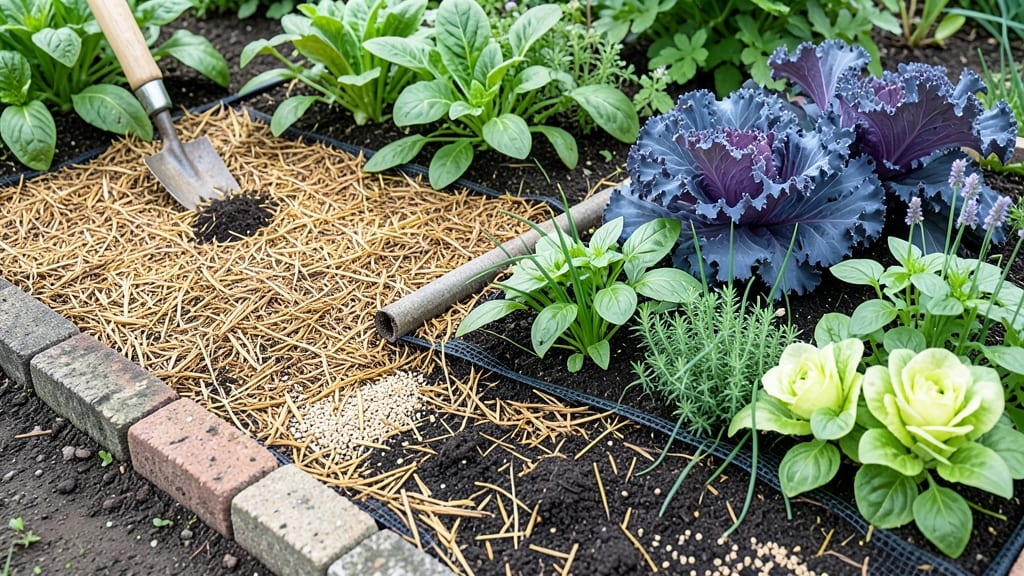
The best way to keep weeds out of your garden is to apply 2-4 inches of organic mulch like wood chips or straw, which blocks sunlight and suppresses weed growth. Refresh the layer every year and use landscape fabric for tough weed patches.
Mulch works by smothering weed seeds before they sprout, while also keeping soil moist and cool—ideal conditions for your plants but not for unwanted growth. 🌱 Organic materials like wood chips break down over time, enriching the soil, while inorganic options like gravel last longer but don't improve soil quality.
I always recommend testing a small area first to see how your garden responds, as some plants (like tomatoes) prefer mulch-free bases to prevent rot.
For stubborn weeds, combine mulch with a pre-emergent herbicide in early spring before weed seeds germinate. Just remember to water thoroughly after applying mulch to help it settle and create that crucial weed-blocking barrier. The key is consistency—skipping annual top-ups lets weeds sneak back in fast.
💡 In This Article
- How Mulch Thickness Stops Weeds at the Root
- Top Mulch Materials for Weed Prevention Compared
How mulch thickness stops weeds at the root
Mulch works primarily by blocking sunlight, which weed seeds need to germinate. A layer of 2-4 inches creates a physical barrier that prevents 90% of light from reaching the soil—critical because most weed seeds won't sprout without it.
Think of it like a blanket: the thicker the layer, the more effective it is at smothering weeds while keeping your plants' roots cool and moist. 🌿 This thickness range also balances two competing needs—enough to block weeds but not so much that it suffocates your desired plants or traps excess moisture.
The science behind this involves three key mechanisms: light deprivation, soil moisture regulation, and microbial activity suppression. Organic mulches like wood chips break down over time, releasing nutrients that improve soil quality while creating a hostile environment for weeds.
Inorganic options like gravel or landscape fabric work differently—they reflect light and prevent seed contact with soil. However, they don't improve soil health. For best results, organic mulches should be 3-4 inches thick in the first year, then maintained at 2-3 inches annually as they decompose.
Material choice affects how often you need to replenish. Wood chips, for example, decompose at about 1 inch per year, so you'll need to add 1 inch annually to maintain the weed-suppressing layer.
Straw decomposes faster (2 inches per year), while shredded leaves break down more slowly (0.5-1 inch per year). The decomposition rate changes soil chemistry too—organic mulches gradually acidify the soil, which can be beneficial for acid-loving plants like blueberries but harmful to others like tomatoes.
Always check your plants' pH preferences before choosing mulch types.
Temperature plays a surprising role too. Mulch creates a 5-10°F cooler microclimate in the soil, which slows weed seed germination. This is why mulched gardens often see 70% fewer weeds in hot climates compared to unmulched areas.
The cooler soil also reduces evaporation, meaning you'll water 30% less while keeping your plants hydrated. For container gardens, use 1-2 inches of mulch—any thicker risks compacting the soil and preventing proper drainage.
There's one critical exception: newly planted trees and shrubs. For these, use 4-6 inches of mulch in a wide ring (keeping it 6 inches away from the trunk to prevent rot). The extra thickness helps conserve moisture during establishment while suppressing weeds that compete for nutrients.
Always fluff the mulch occasionally to maintain airflow—compacted mulch loses its effectiveness and can even harm plant roots by preventing oxygen exchange. 🌱
For vegetable gardens, consider using straw or grass clippings as mulch—they break down quickly, adding nutrients to the soil. But avoid using grass clippings from lawns treated with herbicides, as these chemicals can linger and harm your edibles.
The ideal mulch thickness for veggies is 2-3 inches, applied after the soil has warmed in spring. This timing ensures your plants get the light they need while keeping weeds at bay until they're established.