
Vegetables
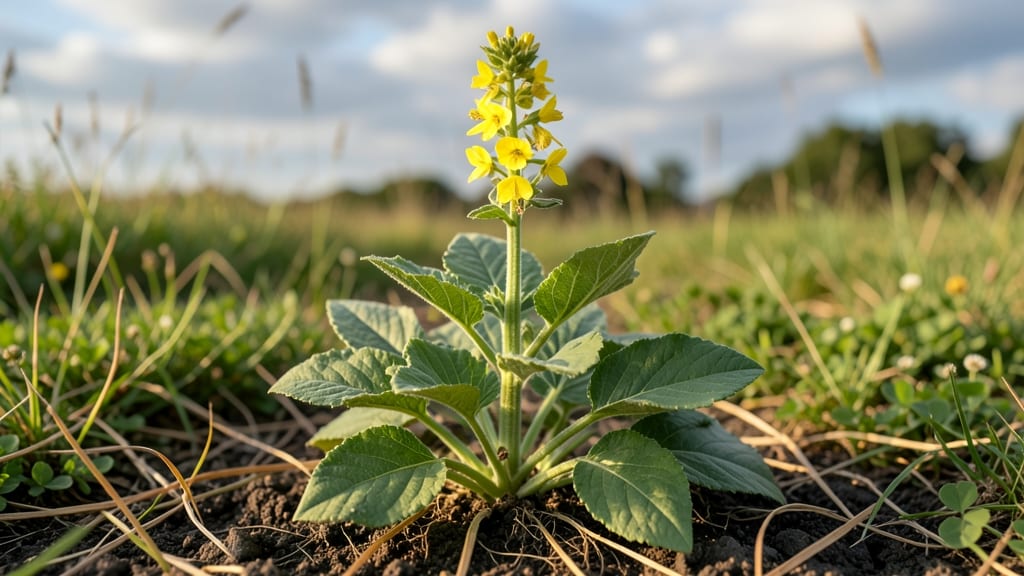
To remove cabbage-like weeds, pull them at the base when soil is damp, using a fork or trowel to extract deep roots completely. Dispose of the entire plant to stop future growth, and focus on young weeds before they spread seeds.
Cabbage-like weeds—often mustard greens, shepherd’s purse, or wild radish—thrive in garden beds by mimicking your crops. 🌱 Their rapid growth means they’ll quickly dominate if ignored, so timing matters.
I’ve found that removing them in early morning or evening (when soil is moist) makes extraction easier, while young plants pull out cleanly with minimal resistance. The key is persistence: these weeds develop deep taproots that regrow if left behind, so always check for remaining fragments.
For stubborn patches, a hand weeder or dandelion digger works best—these tools grip the base securely. If you’re dealing with a large infestation, consider smothering with thick mulch or using targeted vinegar sprays (though these can harm nearby plants).
Always wear gloves, as some brassica-like weeds (like wild radish) have thorny stems that irritate skin.
💡 In This Article
- Identifying and Targeting Cabbage-Like Weeds in Gardens
- Best Tools and Techniques for Efficient Weed Root Removal
Best tools and techniques for efficient weed root removal
When tackling cabbage-like weeds, the right tool makes all the difference. A hand weeder with a forked tip works best for young plants—its prongs slip under the root ball and grip the base firmly.
For mature weeds with deep taproots, a dandelion digger (or a sturdy trowel) is ideal because it slices through fibrous roots cleanly. I’ve found that a garden fork inserted 2-3 inches into the soil loosens stubborn roots before pulling, reducing breakage.
The goal is to remove 90% of the root system to prevent regrowth, which often requires multiple passes.
Timing is critical for success. Soil moisture levels drop dramatically after midday, making weeds brittle and harder to extract. The best times are early morning (6-8 AM) or late evening (6-8 PM), when dew or recent watering keeps the soil damp.
A quick check—if the soil clumps when squeezed—means it’s ready for removal. For large patches, a vinegar spray (20% acetic acid) applied to leaves can kill weeds in 24-48 hours, but it’s non-selective, so shield nearby plants with cardboard.
Always wear gloves, as some weeds like wild radish have thorny stems that cause skin irritation.
Organic alternatives to herbicides include mulching with thick layers (3-4 inches) of straw or wood chips, which blocks sunlight and smothers weeds. For persistent weeds, a boiling water treatment (poured directly at the base) works well in small areas.
The key is consistency—weeds like mustard greens can produce thousands of seeds per plant, so removing them before flowering is crucial. I’ve seen infestations triple in size within 3 weeks if left unchecked, making early intervention the most effective strategy.
Advanced gardeners swear by a technique called "double-digging" for heavily infested areas. This involves digging 12 inches deep, removing all roots, and mixing the soil with 2 inches of compost to improve structure. The process disrupts weed root networks while enriching the soil.
For container gardens, simply pull weeds and replace the soil with fresh potting mix—this prevents root fragments from lingering. The trade-off? It’s labor-intensive but eliminates weeds for 6-12 months if done thoroughly.
One common mistake is assuming all cabbage-like weeds are the same. Wild radish, for example, has a deep, carrot-like taproot that can extend 18 inches into the soil, while mustard greens have shallower but more fibrous roots.
Knowing which weed you’re dealing with helps you choose the right tool—like using a hose-end weeder for large patches or a knife for precise cuts near crops. Always inspect the soil after removal for any remaining root fragments, as even a 1-inch piece can regrow into a full plant.
For those with persistent weed problems, consider a pre-emergent herbicide like corn gluten meal, which prevents seeds from sprouting. Applied in early spring, it breaks down naturally and won’t harm established plants. The downside?
It only works on seeds—not existing weeds—so combine it with manual removal for best results. 🌱 Whether you’re using tools, timing, or organic methods, the key is persistence: weeds won’t disappear overnight, but a systematic approach keeps them under control.