
Watering
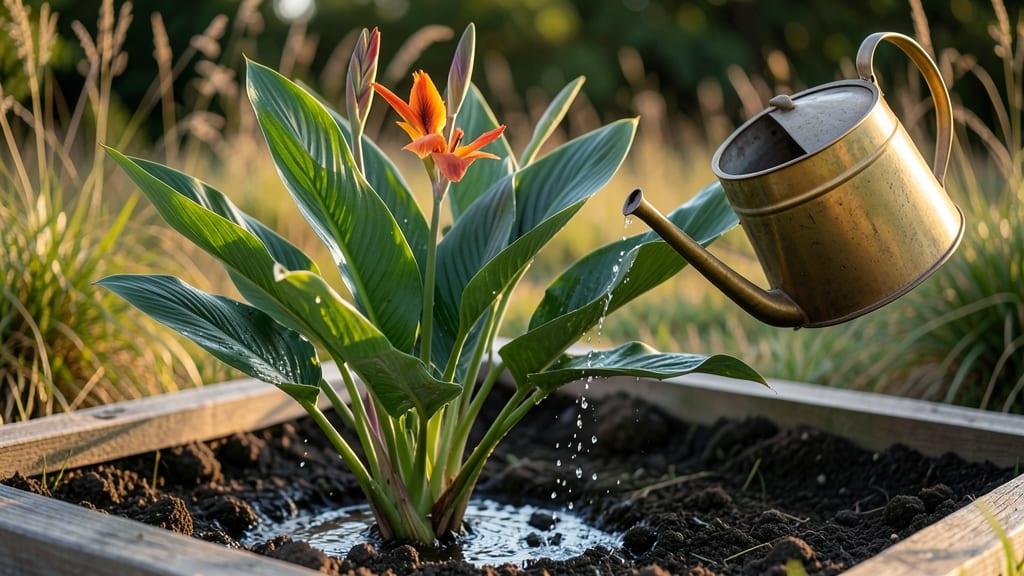
Watering your 🌺 canna lily properly keeps those bold blooms thriving all summer long, but most gardeners overcomplicate it.
You might be drowning your plants in good intentions—soaking the soil daily or relying on rain alone—only to watch the leaves wilt or the rhizomes rot. The truth? Canna lilies are thirsty, but they hate soggy feet, and their needs shift dramatically with the seasons.
From deep, infrequent watering in spring to light touches in winter, I’ll break down the exact schedule for your zone, plus how to spot the subtle signs of over- or under-watering before it’s too late.
By the end, you’ll know not just how often to water, but when to adjust for heatwaves, droughts, or even whether your plants are in pots or garden beds.
Seasonal canna lily watering schedule by climate Zone
Canna lilies thrive on consistency, but their watering needs shift dramatically with the seasons. In USDA Zones 7-11, where these tropical beauties flourish, overwatering in winter or underwatering in summer can spell disaster.
The key is matching your watering routine to your plant’s growth stage and your local climate’s moisture demands. Let’s break down exactly how to adapt your schedule month by month.
Your canna lilies’ rhizomes store water, but they still need 1-2 inches of water per week during peak growing months. In Zones 9-11, where winters are mild, you’ll water year-round, while Zone 7 gardeners can reduce watering dramatically after the first frost.
The goal? Keep soil consistently moist but never soggy—especially critical when those bold, tropical blooms are in full swing.
🌺 Pro Tip: Always water at the base of the plant in the morning to prevent fungal diseases like root rot, which thrives in damp foliage. Use a moisture meter or the finger test (stick your finger 2 inches deep—if dry, water).
In Zone 7, where frost is a reality, your canna lilies will enter dormancy by late fall.
This is when you dramatically cut back watering—just enough to keep the rhizomes from drying out completely. Zone 9-11 gardeners can keep watering year-round, but reduce frequency in winter’s mildest months (December-February) to mimic natural rainfall patterns.
Heat stress is your biggest summer enemy. When temperatures hit 90°F+, canna lilies transpire rapidly, and their large leaves wilt quickly.
Here, I double my watering frequency and apply 2-3 inches of mulch to retain moisture. Drip irrigation is ideal—it delivers water directly to the roots without wetting the foliage, reducing fungal risks.
Watch for yellowing leaves or floppy stems, which signal either overwatering or underwatering. If the soil feels muddy or smells sour, you’re overdoing it.
If the leaves curl inward, it’s time to water. Morning watering gives plants time to dry out slightly before nightfall, preventing root rot and b
5 Signs your canna lilies are overwatered (and how to fix it)
If your canna lilies are looking sad despite your best efforts, overwatering might be the culprit. These tropical beauties love moisture, but too much water can suffocate their rhizomes and invite fungal problems. I’ve seen gardeners accidentally drown their cannas by following a one-size-fits-all watering schedule—don’t let that be you!
Overwatered canna lilies often show symptoms like yellowing leaves, mushy stems, or even a foul smell coming from the soil. The key is recognizing these signs early and adjusting your routine before the roots rot. Let’s dive into the 5 warning signs and how to revive your plants.
🌺 WARNING: Overwatering Kills Canna Lilies
Canna lilies thrive in consistently moist (not soggy) soil. Waterlogged conditions block oxygen to roots, causing root rot and fungal diseases like rhizoctonia. If you see blackened rhizomes or a sour smell, act fast—your plant may already be beyond saving.
First, check the soil moisture by sticking your finger 2-3 inches deep. If it feels damp, hold off on watering. Canna lilies prefer their soil to dry out slightly between waterings, especially in containers, which dry faster than garden beds.
Pro tip: Use a moisture meter for accuracy—it’s a game-changer!
To fix overwatered cannas, start with a 3-step recovery protocol:
- Stop watering immediately and let the soil dry out.
- Improve drainage by amending the soil with perlite or sand (20% mix).
- Repot if the rhizomes are mushy—trim away rotted sections and replant in fresh, well-draining soil.
Adjust your irrigation schedule based on the season. In summer, water deeply 2-3 times per week, while in winter, reduce to bi-weekly. Always water at the base of the plant in the morning to prevent fungal growth.
Mulch with straw or pine needles to retain moisture without suffocating the roots.
Remember, canna lilies are resilient! With the right adjustments, your plants can bounce back. Keep an eye on their foliage color and stem firmness—these are your best indicators of their health. A little less water can go a long way toward keeping your cannas blooming beautifully all season.
🌱