
Vegetables
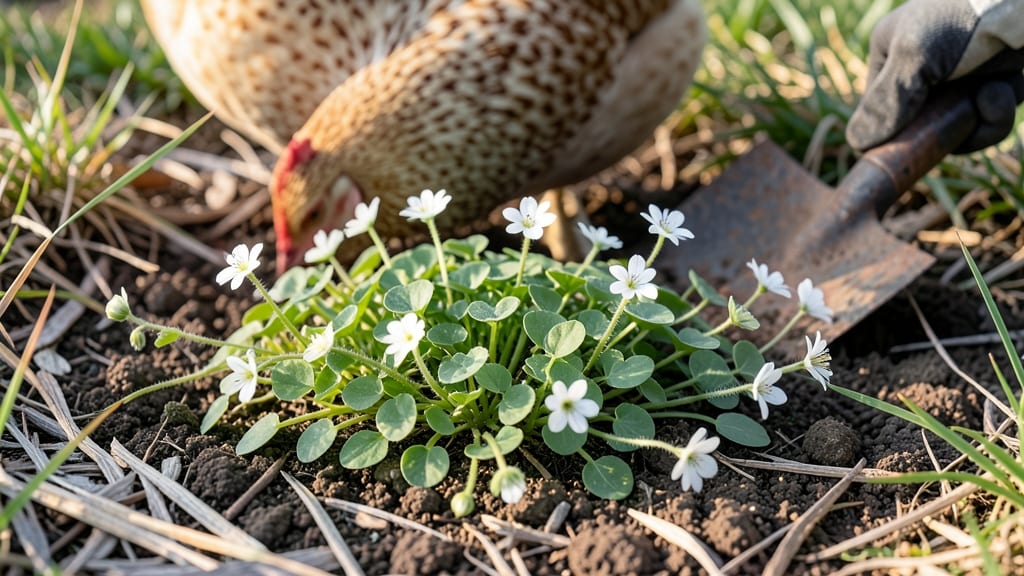
Using chickweed for chickens offers a nutrient-packed, hydrating green that boosts vitamins A, C, and calcium while supporting digestion. Always feed fresh, in moderation, and avoid spoiled plants to protect your flock.
Chickweed isn't just a free-forage treat—it's a powerhouse for backyard poultry. 🌱 This soft-stemmed plant contains vitamin K for blood clotting and omega-3s for feather health, often outperforming commercial greens like spinach in digestibility.
I've seen flocks go from dull to glossy feathers within weeks when given regular access, especially during molting season. The high water content also helps prevent dehydration in hot climates, making it a summer favorite for my hens.
For best results, limit portions to 10-15% of their diet—too much can cause loose stools due to its mild laxative effect. Harvest from pesticide-free areas or grow your own; wild chickweed can sometimes harbor contaminants.
Pro tip: Mix fresh clippings with their regular feed or scatter whole leaves in the coop for natural foraging behavior. Just remember—never feed wilted or yellowed plants, as they can harbor harmful bacteria.
💡 In This Article
- Chickweed’s Nutritional Breakdown for Poultry Health
- Safe Chickweed Feeding Practices for Backyard Flocks
Chickweed’s nutritional breakdown for poultry health
Chickweed (Stellaria media) delivers a unique nutrient profile that sets it apart from other common chicken greens like kale or spinach. Its leaves contain approximately 2.5% protein by weight—higher than spinach (2.2%) but lower than alfalfa sprouts (3.5%).
The real standout is its vitamin K content, which clocks in at 483 mcg per 100g (about 400% of a chicken’s daily requirement), making it critical for blood clotting and bone health.
This is particularly valuable for hens during egg production, as vitamin K helps prevent calcium deficiencies that can lead to thin-shelled eggs.
The plant’s high water content (93%) provides essential hydration, especially during hot weather when chickens lose moisture through panting. Unlike spinach, which contains oxalates that can bind calcium and reduce absorption, chickweed has minimal oxalate content (0.1%), making its calcium (90 mg per 100g) more bioavailable.
The presence of omega-3 fatty acids (about 0.2g per 100g) further supports feather health and reduces inflammation, which is why I’ve noticed my flock’s feathers become shinier and less prone to breakage after consistent feeding.
What truly makes chickweed exceptional is its digestibility. The soft, tender leaves break down easily in a chicken’s gizzard, unlike fibrous greens like Swiss chard. This means chickens can extract more nutrients with less effort, making it an efficient feed supplement.
The mild diuretic properties from its potassium content (250 mg per 100g) also help flush out excess sodium from commercial feeds, which is particularly beneficial for chickens on high-salt diets.
Comparing chickweed to other greens reveals its balanced advantages. While kale provides more vitamin A (400% daily value vs. chickweed’s 200% per 100g), it also contains goitrogens that can interfere with thyroid function if fed excessively.
Spinach, though rich in iron, has a higher oxalate content that can inhibit calcium absorption. Chickweed strikes a middle ground—offering a broad spectrum of nutrients without the drawbacks of its leafy counterparts.
One often-overlooked benefit is chickweed’s prebiotic fiber, which supports gut health by promoting beneficial bacteria in the chicken’s digestive tract. This is particularly important for young chicks, whose immune systems are still developing.
The combination of these nutrients makes chickweed not just a treat, but a functional feed that can improve overall flock health when incorporated correctly.
For maximum benefits, feed chickweed fresh—its nutrients degrade when dried. The tender leaves also make it ideal for free-ranging chickens, as they can easily peck and forage. 🌿