
Tools
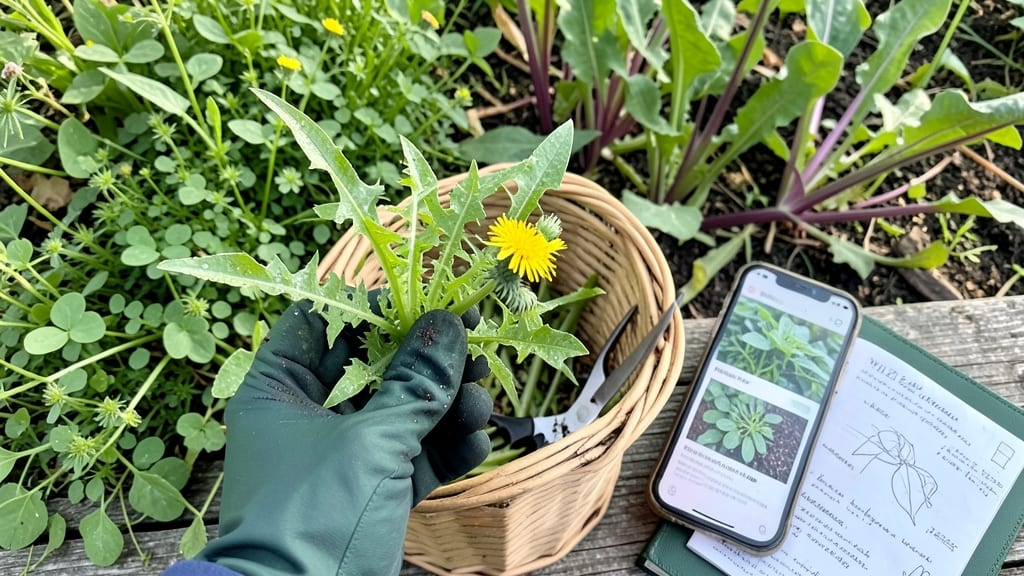
Eating weeds from your garden can be both safe and nutritious when you properly identify edible varieties like dandelion greens, purslane, or chickweed, which provide vitamins, minerals, and antioxidants—but only if you avoid toxic look-alikes such as poison ivy or wild parsnip.
Many gardeners overlook the fact that some "weeds" are actually nutrient-packed edibles that grow right underfoot. 🌱 For example, dandelion leaves are rich in vitamin K and calcium, while purslane boasts omega-3 fatty acids—both are often more nutrient-dense than store-bought greens.
The key is learning to distinguish between safe foraged greens and their dangerous doubles, which often share similar growth patterns but deadly consequences. I always recommend starting with three easy-to-identify plants before expanding your foraging repertoire.
To minimize risk, I suggest using field guides or apps that combine visual identification with tactile features like leaf texture and root structure. For instance, dandelion leaves have jagged edges and a milky sap when cut, while poison hemlock (a deadly look-alike) has smooth edges and no sap.
When in doubt, I never consume anything without cross-referencing at least two reliable sources—especially when foraging with children or pets nearby.
💡 In This Article
- How to Identify Edible Garden Weeds Safely
- Top Nutritional Benefits of Common Edible Weeds
How to identify edible garden weeds safely
Identifying edible garden weeds starts with examining three key features: leaf shape, stem texture, and root structure. For instance, dandelion leaves have deeply lobed, jagged edges with a slightly fuzzy texture, while their roots form a long, thick taproot that tastes slightly bitter.
In contrast, poison ivy leaves grow in clusters of three with smooth edges and emit a milky sap when broken—never consume anything with this characteristic. 🌿 The key is to handle plants with gloves and use a magnifying glass to inspect fine details like leaf veins or hair-like structures.
Regional variations matter too. In cooler climates, purslane grows low to the ground with thick, succulent leaves that store water, while in warmer areas, it may develop slightly more elongated stems.
Always cross-reference with local foraging guides, as some weeds like wild carrot (Queen Anne's lace) have edible roots but toxic look-alikes like water hemlock.
I recommend starting with weeds that grow upright (like lamb's quarters) or have distinct rosette patterns (like plantain), as these are less likely to be confused with toxic species.
Tactile identification is just as important as visual. Rubbing leaves between your fingers can reveal textures—dandelion leaves feel slightly rough, while chickweed has smooth, almost velvety stems.
Pressing leaves can also show their juiciness: edible weeds like purslane release a mild, slightly salty moisture, while toxic plants often have dry or sticky residues. 🔍 For beginners, I suggest collecting small samples in paper bags (not plastic) and comparing them side-by-side with trusted reference photos before consuming.
Seasonal growth patterns provide another clue. Most edible weeds like stinging nettle appear in early spring, while others like amaranth thrive in late summer.
Toxic plants often have more erratic growth—poison hemlock, for example, grows in dense patches with purple-spotted stems, while edible wild parsnip has yellow flowers and a carrot-like root. Always harvest from pesticide-free areas, preferably organic gardens or untouched natural spaces at least 50 feet from roads.
Advanced identifiers use a "three-part test" before eating: visual (leaf shape/color), tactile (texture/sap), and taste (a tiny bite of cooked sample). For example, young dandelion leaves can be eaten raw in salads, but older leaves need cooking to reduce bitterness.
Lamb's quarters, another common weed, has a flavor similar to spinach but with a slightly earthier taste—always taste-test small amounts first to check for allergies or digestive reactions. 🌱
When in doubt, use the "10% rule": never consume more than 10% of your meal from a wild-harvested source until you're absolutely certain of its identity. This precaution applies even to well-known edibles like chickweed, which can cause mild stomach upset if overconsumed.
I also recommend keeping a foraging journal to track which plants grow in your area, their growth cycles, and any reactions after consumption.