
Pests
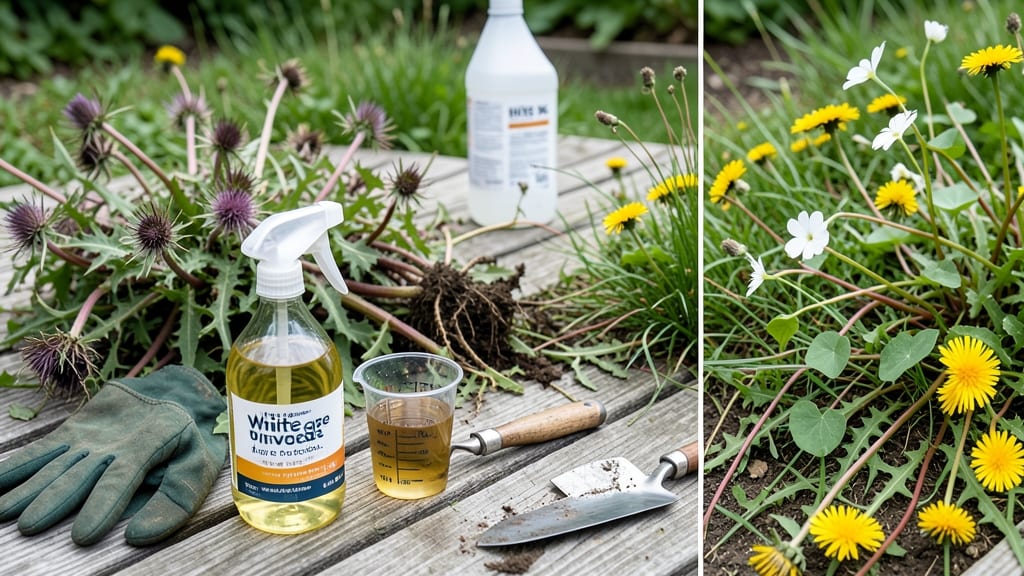
Using cleaning vinegar for weeds works best with undiluted 20%+ acetic acid concentration, which disrupts weed cell structures and halts growth. Apply it directly in sunny conditions to maximize effectiveness while protecting nearby plants.
This powerful weed killer works because vinegar's high acidity breaks down plant cell walls, essentially dehydrating weeds from the inside out. 🔥 For tougher weeds like dandelions, undiluted vinegar is most effective, while a 1:1 vinegar-to-water mix works better for delicate garden areas.
The key is timing—spray on sunny days when weeds are actively growing, and avoid windy conditions to prevent drift onto desirable plants.
What sets vinegar apart is its dual action: it doesn't just kill existing weeds but also prevents new ones from sprouting by altering soil chemistry. Just remember to test a small area first, as some plants may show signs of stress even from the diluted solution.
For best results, reapply every 3-5 days until weeds completely brown and die.
💡 In This Article
- How Vinegar’s Acidity Destroys Weeds at the Cellular Level
- Optimal Vinegar-to-Water Ratios for Weed Control
How vinegar’s acidity destroys weeds at the cellular level
The real power of cleaning vinegar lies in its acetic acid concentration, which typically ranges from 5% to 20% in commercial products. When you spray undiluted vinegar with 20%+ acetic acid on weeds, the acid immediately begins breaking down the waxy cuticle layer that protects plant leaves.
This layer acts like a waterproof shield, and when disrupted, it allows the vinegar to penetrate the plant's cells. 🔥 The acetic acid then denatures proteins within the plant's cytoplasm, causing cellular structures to collapse and lose function.
This process affects weeds differently based on their biology. Broadleaf weeds, like dandelions and chickweed, have thinner cell walls and are more susceptible to vinegar's effects. Their large surface area absorbs the acid quickly, leading to rapid dehydration and browning within hours.
Grassy weeds, such as crabgrass, have thicker cell walls that resist absorption, so they often require repeated applications or higher concentrations to die. The pH of vinegar (around 2.5) is also critical—it's acidic enough to halt photosynthesis by disrupting the chlorophyll molecules, which starves the plant of energy.
What makes vinegar unique is its non-selective nature—it doesn't discriminate between desirable and undesirable plants. However, the damage occurs faster on weeds because they lack the protective mechanisms of mature garden plants.
For example, a tomato plant might show temporary leaf burn from vinegar spray, while a young weed will wilt and die within 24-48 hours. The key is precision: always aim for the weed's foliage and avoid overspray on surrounding soil or plants. 💫
One often-overlooked factor is temperature. Vinegar works best when applied in temperatures above 70°F (21°C). Warmer conditions accelerate the chemical reactions, causing the acetic acid to penetrate faster and kill weeds more efficiently.
This is why early morning or late afternoon applications can be less effective than midday spraying—cooler temps slow down the process. Additionally, sunlight enhances the vinegar's effectiveness by increasing the plant's metabolic rate, making it more vulnerable to the acid's destructive effects.
For gardeners concerned about soil health, vinegar's impact is minimal when used correctly. The acetic acid breaks down quickly in the soil, typically within 24-48 hours, leaving behind harmless byproducts like water and carbon dioxide.
However, repeated applications can lower soil pH over time, which may affect plants sensitive to acidic conditions. To mitigate this, limit vinegar use to targeted weed spots and avoid spraying near the base of desirable plants.
Consider this comparison: a 5% vinegar solution (common household white vinegar) will take 3-5 days to kill weeds, while a 20% cleaning vinegar can achieve the same result in just 1-2 days. The higher concentration also means you can use less product, reducing the risk of soil acidification.
For stubborn weeds like bindweed, a 1:1 vinegar-to-water mix might be more effective than undiluted vinegar because it reduces the risk of overspray damage while still delivering a strong acid dose. 🌟