
Watering
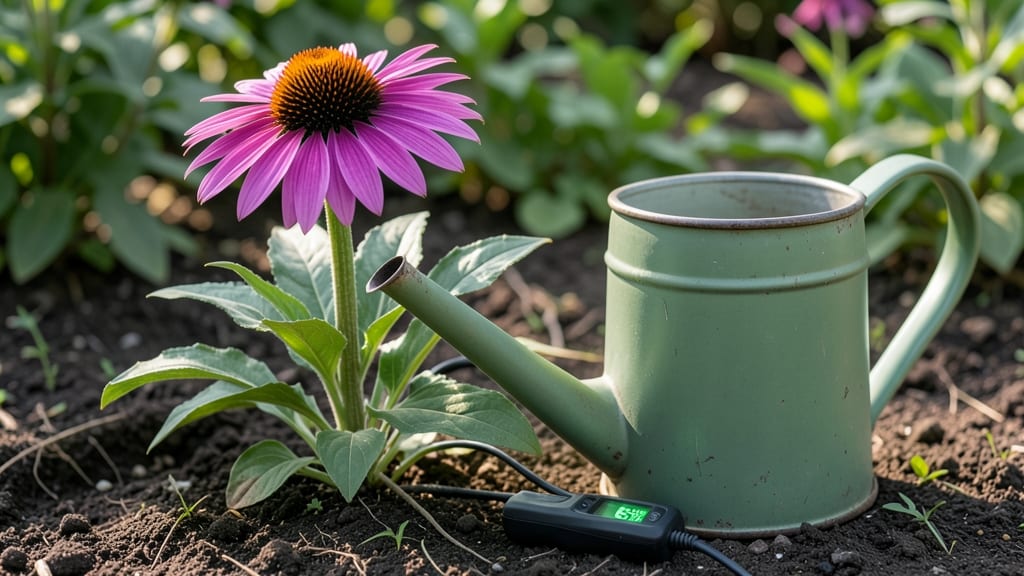
Mastering the water requirements for coneflowers 🌱 is the key to those long-lasting blooms that keep your garden buzzing with pollinators all season.
Struggling to keep your coneflowers blooming all season? The secret isn’t just in the sunshine—it’s in mastering their water needs. Overwater or underwater, and you’ll miss out on those vibrant purple, pink, and white flowers that attract butterflies and bees.
Coneflowers are tougher than they look, but they do need the right balance—too much water and you risk root rot, too little and they’ll wilt faster than a summer rainstorm fades. The good news? Once you get the rhythm down, they’ll thrive with minimal fuss.
In this guide, I’ll break down exactly how much water coneflowers need at each stage of growth, how to spot when you’re over- or underwatering, and pro tips to keep them happy in drought-prone or rainy climates.
Ideal watering schedule for coneflowers by growth stage
Mastering the watering schedule for your coneflowers (Echinacea) is the key to those show-stopping blooms that last from summer through fall. Unlike many perennials, coneflowers are surprisingly drought-tolerant once established—but that doesn’t mean they thrive on neglect.
The real magic happens in the first year, when proper moisture sets the stage for strong roots and abundant flowers.
Let’s break down exactly how much water your plants need at every stage, so you can avoid the two biggest mistakes: overwatering (which causes root rot) and underwatering (which leads to weak stems and sparse blooms).
Newly planted coneflower seedlings are the most delicate phase, demanding consistent moisture to encourage deep root growth. Established plants, on the other hand, can handle dry spells better than most perennials—but they still need strategic watering to perform at their best.
And when those blooms start forming, timing becomes even more critical. In my Zone 6 garden, I’ve learned that adjusting watering based on the season (and even the weather forecast) makes all the difference between a few sad flowers and a pollinator magnet that lasts for months.
Let’s dive into the specifics so you can replicate this success.
| Growth Stage | Watering Frequency | Depth per Watering | Best Time to Water | Seasonal Notes |
|---|---|---|---|---|
| Seedlings (First 4 Weeks) | Every 2-3 days | 1-2 inches deep | Morning (6-9 AM) | Keep soil evenly moist; avoid soggy soil |
| Established Plants (Year 1-2) | Every 7-10 days | 3-4 inches deep | Early morning or late afternoon | Let top 1-2 inches dry between waterings |
| Mature Plants (Year 3+) | Every 10-14 days | 4-6 inches deep | Deep watering in early morning | Drought-tolerant; reduce in rainy seasons |
| Blooming Season (Summer-Fall) | Every 5-7 days | 3-4 inches deep | Morning (before 10 AM) | Increase slightly during flower bud formation |
| Drought-Prone Areas | Every 14-21 days | 6+ inches deep | Deep watering at dusk | Mulch heavily to retain moisture |
For seedlings, the first 4 weeks are critical. I’ve found that watering every 2-3 days in the morning keeps the soil consistently moist without drowning the roots.
Use a spray nozzle or gentle stream to avoid disturbing the soil, and always water at the base—never the leaves—to prevent fungal diseases. If you’re planting in hot, dry climates, consider a light shade cloth during the hottest part of the day to reduce moisture loss.
Pro tip: Check soil moisture by sticking your finger 1 inch deep—if it’s dry, it’s time to water.
Once your coneflowers are established (1-2 years old), they become far more resilient. At this stage, I switch to a deep watering schedule every 7-10 days, ensuring the moisture reaches 3-4 inches deep. This encourages roots to grow downward, making them more drought-resistant.
In my experience, overwatering at this stage is the biggest mistake—many gardeners assume more water means more blooms, but coneflowers actually prefer slightly dry conditions between waterings. A simple soil probe test (poking a screwdriver into the soil) helps me gauge when it’s time to water.
When your coneflowers hit mature status (3+ years), their water needs shift dramatically. Now, they can go 10-14 days between deep waterings, especially in well-draining soil. I’ve seen mature plants in my garden survive weeks without rain in Zone 6 summers thanks to their deep root systems.
However, during peak blooming season (late summer), I increase the frequency slightly to every 5-7 days to support those heavy flower heads. Watering in the early morning ensures the foliage dries quickly, reducing the risk of powdery mildew, a common issue in humid climates.
If you live in a drought-prone area, coneflowers are one of the best low-water perennials you can grow. In my Southwest garden, I’ve successfully grown them with waterings every 14-21 days during the hottest months, using a technique called deep and infrequent watering.
The key is to water deeply (6+ inches) at dusk to minimize evaporation. Pair this with a <
Signs of overwatering vs. underwatering in coneflowers (with fixes)
Coneflowers (Echinacea) are tough perennials, but even they struggle when their water needs aren't met. Too much or too little water causes leaf discoloration, wilting, and even death.
The key is recognizing these visual cues early. Yellowing leaves? That could mean either overwatering or underwatering—it's all about the texture and soil.
First, check your soil moisture before blaming your watering routine. Stick your finger 2-3 inches deep—if it's soggy, you're overwatering. If it's bone-dry, your coneflowers are thirsty. The root system of healthy coneflowers should be in well-draining soil that's moist but not waterlogged.
🌱 PROS CONS BOX
✅ Ideal Watering
- 1 inch/week in summer
- Morning watering (reduces fungal risk)
- Well-draining soil (sandy loam ideal)
- Deep watering (encourages root growth)
❌ Overwatering Risks
- Yellowing leaves (chlorosis)
- Mushy stems (root rot)
- Fungal growth (powdery mildew)
- Soggy soil (stinks when wet)
✅ Fixing Overwatering
- Stop watering immediately
- Improve drainage (add perlite)
- Repot if in containers
- Trim affected foliage
❌ Underwatering Risks
- Drooping leaves (wilting)
- Brown leaf edges (crispy texture)
- Stunted growth (no new blooms)
- Hard soil (resists penetration)
✅ Fixing Underwatering
- Water deeply (1-2 inches)
- Mulch heavily (retains moisture)
- Water at soil level (avoid leaves)
- Check soil daily in heatwaves
For overwatered coneflowers, the first step is always stopping water until the soil dries out. If you see mushy stems or leaves that pull away easily, your plant may have root rot.
Trim away affected roots and repot in fresh, well-draining mix with perlite or sand. In containers, ensure drainage holes are clear and never let water sit in saucers.
When coneflowers show signs of underwatering, like crispy brown edges or wilting despite moist soil, it's often a root-bound issue. Water deeply until it runs out the bottom, then mulch with 2-3 inches of organic matter.
For established plants, drip irrigation or soaker hoses work best—they deliver water directly to the roots without wetting the foliage, which prevents fungal diseases.
Pro tip: Use the finger test daily during heatwaves. If the top inch of soil feels dry, it's time to water. Coneflowers are drought-tolerant once established, but they won't bloom well if stressed.
A healthy plant should have firm stems and vibrant foliage. Adjust your routine based on your local climate—coastal areas may need less water than desert gardens.
Remember, coneflowers thrive on consistency. Whether you're dealing with overwatering or underwatering, the goal is the same: balanced soil moisture that keeps roots happy without inviting pests or disease. With these fixes, your coneflowers will reward you with bold blooms from midsummer to frost. 🌻