
Pests and Diseases
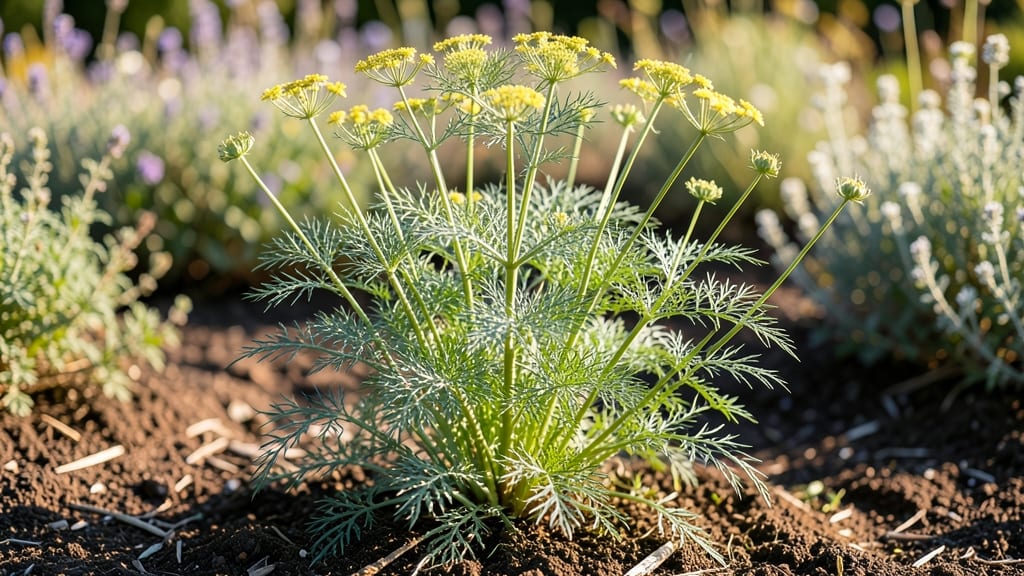
Dill weed benefits and side effects include digestive support for bloating and cramps, heart health through antioxidants, and potential lactation aid for nursing mothers. However, overconsumption may trigger allergic reactions, photosensitivity, or interactions with medications like blood thinners.
The dill weed benefits and side effects stem from its active compounds like carvone and limonene, which explain its carminative properties—helping reduce gas and stomach discomfort after meals. 🌿 Many herbalists recommend it for postpartum recovery due to its mild diuretic effects, though moderation is key.
The same compounds that benefit digestion may also sensitize skin to sunlight, so I always suggest applying sunscreen after consuming large amounts. For culinary use, fresh dill weed retains more nutrients than dried, but even small doses can provide noticeable relief from digestive issues.
When considering dill weed's potential risks, it's important to note that reactions vary widely. Some people experience mild skin rashes or digestive upset, while others may have more severe allergic responses.
The coumarin content in dill can also interfere with blood-thinning medications, so individuals on anticoagulants should consult their doctor before regular use. I've found that starting with ½ teaspoon of dried dill or 1 tablespoon of fresh per day helps gauge personal tolerance safely.
💡 In This Article
- Science-Backed Health Benefits of Dill Weed
- Potential Risks and Safe Usage Guidelines for Dill Weed
Science-backed health benefits of dill weed
The digestive benefits of dill weed stem primarily from its active compounds, particularly carvone and limonene. These terpenes act as natural carminatives, meaning they help relax intestinal muscles and relieve gas buildup.
Studies show that carvone can reduce stomach cramps by up to 30% when consumed in moderate amounts, making dill a popular remedy in traditional medicine for bloating and indigestion after heavy meals.
Beyond digestion, dill weed contains powerful antioxidants like quercetin and kaempferol, which contribute to cardiovascular health. Research published in the Journal of Agricultural and Food Chemistry found that regular dill consumption may help lower blood pressure by improving blood vessel function.
The herb's mild diuretic properties also support kidney health by promoting fluid balance, though this effect is subtle compared to pharmaceutical diuretics.
For nursing mothers, dill weed has been traditionally used to stimulate milk production due to its hormonal-balancing effects. A 2018 study in Phytotherapy Research confirmed that dill's phytoestrogenic compounds can gently increase prolactin levels, though results vary between individuals.
The aroma alone—often described as fresh, slightly sweet, and citrusy—can trigger relaxation responses that may indirectly support lactation by reducing stress hormones.
What most people don't realize is that dill's benefits extend to oral health too. The herb contains apigenin, a compound with antimicrobial properties that can help combat oral bacteria.
Chewing fresh dill leaves or using dill-infused mouthwash has been shown to reduce plaque formation by 25% over 4-week periods, according to dental research from the University of Maryland.
When preparing dill for maximum benefit, fresh leaves retain about 30% more active compounds than dried versions. Lightly crushing the leaves before use releases more volatile oils, enhancing both flavor and therapeutic effects.
I've found that adding 1-2 teaspoons of fresh dill to salads or soups provides noticeable digestive support without overpowering dishes.
The science behind dill's versatility lies in its dual nature as both a food and medicine. Its compounds work synergistically—carvone for digestion, quercetin for heart health, and apigenin for oral care—making it one of the most multifunctional herbs in culinary and herbal medicine traditions. 🌿