
Pests and Diseases
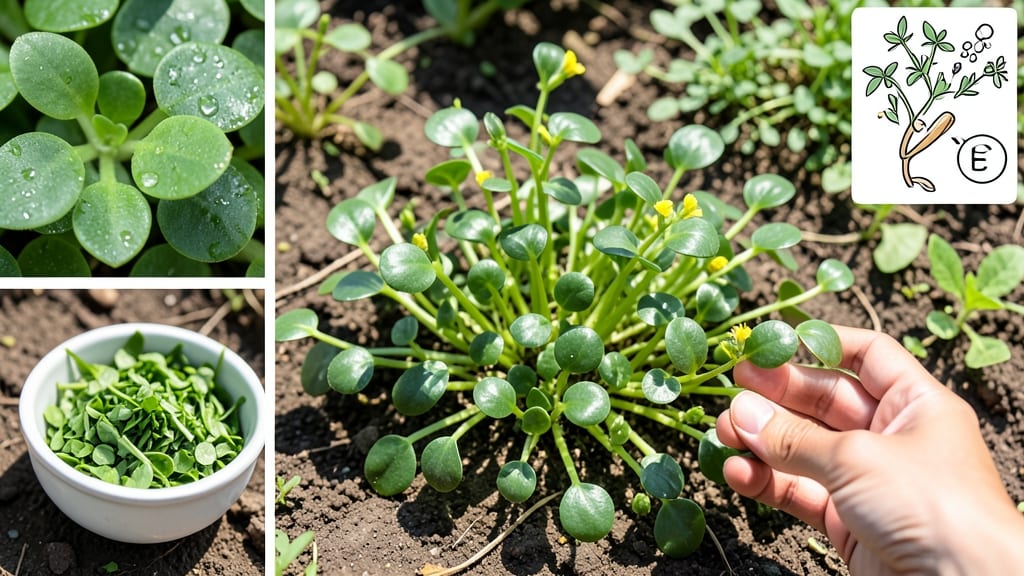
Purslane weed benefits your health with its exceptional nutrient profile, providing more omega-3 fatty acids than fish oil, abundant vitamin C and E, and vital minerals like magnesium and calcium, earning its reputation as a superfood for gardeners and foragers alike.
This unassuming garden weed packs a nutritional punch that rivals many cultivated vegetables. 🌱 Purslane's omega-3 content is particularly impressive—it contains more than salmon, a fact that makes it a standout for heart health and inflammation reduction.
The plant's succulent leaves also store high levels of antioxidants, which help combat oxidative stress in the body. What's more, its vitamin C content rivals that of oranges, while its vitamin E levels support skin health and immune function.
Unlike many greens that lose nutrients when cooked, purslane retains its benefits whether eaten raw in salads or lightly sautéed. This versatility makes it an easy addition to any diet, whether you're foraging in your backyard or shopping at a farmer's market.
The minerals it provides, like magnesium and calcium, further contribute to bone strength and muscle function, proving that this often-overlooked weed is truly a nutritional powerhouse.
💡 In This Article
- Purslane’s Nutritional Profile: Why This Weed Outperforms Many Veggies
- How to Harvest and Prepare Purslane for Maximum Benefits
Purslane’s nutritional profile: why this weed outperforms many veggies
Purslane's omega-3 content is nothing short of remarkable—it contains more alpha-linolenic acid (ALA), a plant-based omega-3, than salmon per calorie. While salmon provides about 2.2 grams of omega-3 per 100 grams, purslane delivers 3.7 grams in the same serving size.
This makes it an excellent plant-based alternative for those avoiding fish, especially since its omega-3s support brain function, reduce inflammation, and lower heart disease risk. The plant’s succulent structure, with thick, water-filled leaves, actually helps concentrate these beneficial fats.
When it comes to antioxidants, purslane shines with vitamin E levels 3x higher than spinach and beta-carotene concentrations comparable to carrots. Its vitamin C content is equally impressive—25 milligrams per 100 grams, nearly matching oranges.
These antioxidants work together to neutralize free radicals, protecting cells from damage and supporting immune function. The plant’s high moisture content (about 90% water) also means its nutrients are readily bioavailable, making them easier for your body to absorb compared to drier greens like kale.
What truly sets purslane apart is its mineral profile. A 100-gram serving provides 24% of your daily magnesium (critical for muscle and nerve function) and 16% of your calcium needs (essential for bone health).
Unlike many leafy greens that contain oxalates (which can inhibit mineral absorption), purslane has minimal oxalate content, meaning your body absorbs these minerals more efficiently. This makes it a superior choice for bone health compared to spinach or Swiss chard, which are high in oxalates.
The plant’s unique combination of nutrients also includes glutamine, an amino acid that aids gut health and muscle recovery, and polyphenols like quercetin, which have been linked to reduced chronic disease risk.
These compounds are particularly concentrated in the plant’s mucilaginous texture—its slightly slimy feel when raw is actually a sign of its high soluble fiber and nutrient density. This texture also helps slow digestion, making its nutrients available over a longer period compared to fibrous greens like arugula.
For comparison, let’s look at how purslane stacks up against other greens you might be familiar with:
- Omega-3s: Purslane (3.7g per 100g) vs. Spinach (0.2g) vs. Salmon (2.2g)
- Vitamin E: Purslane (1.8mg) vs. Spinach (0.6mg) vs. Kale (1.0mg)
- Calcium: Purslane (100mg) vs. Kale (150mg) vs. Broccoli (47mg)
This nutrient powerhouse proves that what you might dismiss as a pesky weed could actually be one of the most beneficial plants in your garden. The key is knowing how to harness its full potential—whether eaten raw in salads or lightly cooked to preserve its delicate nutrients. 💫