
Featured
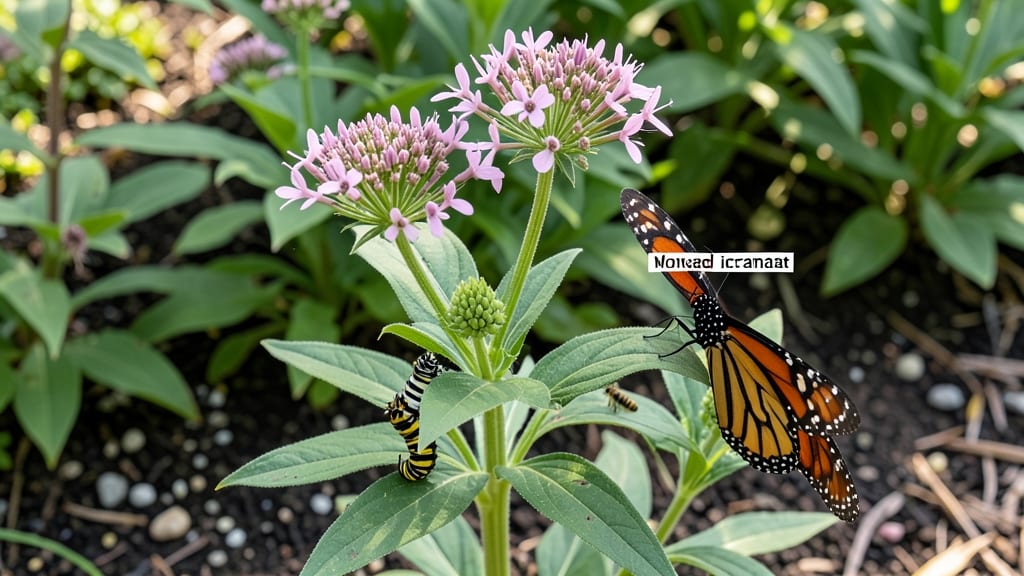
Butterflies—especially monarchs—do eat milkweed, as both caterpillars and adult butterflies rely on it for survival. Milkweed leaves provide essential nutrients for caterpillars, while nectar supports adult butterflies, making it a critical host plant in their lifecycle.
Monarch butterflies have a special relationship with milkweed that goes beyond simple nutrition. 🌿 The plant's leaves contain compounds called cardenolides, which caterpillars absorb to become toxic to predators—a natural defense mechanism.
Adult monarchs also depend on milkweed flowers for nectar, which fuels their long migrations. Without this plant, the entire monarch lifecycle would collapse, making it a cornerstone of their survival strategy.
This dependency explains why conservation efforts often focus on planting milkweed. Native varieties like common milkweed and swamp milkweed thrive in specific regions, while tropical milkweed (often sold in nurseries) can spread aggressively and harm native ecosystems.
Understanding these differences helps gardeners create safe habitats that support monarch populations without unintended consequences.
💡 In This Article
- How Milkweed Supports Monarch Butterfly Development
- Best Milkweed Varieties for Butterfly Gardens
How milkweed supports monarch butterfly development
The monarch butterfly's relationship with milkweed begins in the caterpillar stage, where the plant serves as a nutrient powerhouse. Milkweed leaves contain high levels of proteins and carbohydrates essential for rapid growth—caterpillars can increase their weight 2,000 times in just two weeks!
The leaves also provide the moisture these voracious eaters need, with a soft yet fibrous texture that's perfect for their chewing mandibles. 🌱
What makes this relationship truly remarkable is the chemical defense system milkweed provides. The plant produces cardenolides, a group of toxins that make monarch caterpillars (and later adult butterflies) unpalatable to predators. When caterpillars consume milkweed, they absorb these compounds, which then concentrate in their bodies.
This chemical protection is so effective that birds like blue jays often avoid monarchs after just one unpleasant encounter—making the bright orange and black warning colors a powerful evolutionary adaptation.
As adult monarchs, the relationship continues through nectar consumption. Milkweed flowers produce high-energy nectar that provides the fuel needed for their legendary 3,000-mile migration to Mexico. The nectar contains simple sugars that can be metabolized quickly, allowing butterflies to build up fat reserves.
Interestingly, studies show that monarchs prefer milkweed nectar over other flowers, even when alternatives are available—demonstrating how deeply this plant is embedded in their biology. 🦋
The milkweed-monarch connection extends to the plant's physical structure. The milky sap that gives milkweed its name contains additional defensive compounds that deter herbivores. While this sap can be irritating to humans, monarch caterpillars have evolved specialized enzymes to break it down.
This co-evolutionary arms race has shaped both species over millions of years, creating one of nature's most fascinating symbiotic relationships.
What most people don't realize is how specific this relationship is. Monarchs have evolved alongside milkweed species, developing specialized feeding behaviors. Caterpillars, for example, use their spiracles (breathing pores) to detect milkweed's unique chemical signature from up to 10 feet away.
This precision ensures they find the exact host plants needed for survival, while avoiding toxic lookalikes that might harm them. 🌿
This biological partnership isn't just about survival—it's about thriving. The cardenolides in milkweed don't just make monarchs toxic; they enhance their reproductive success.
Studies show that female monarchs that consume milkweed nectar produce eggs with 20% higher hatch rates than those that don't. This chemical boost continues through generations, creating a self-reinforcing cycle that has allowed monarchs to dominate their ecological niche.