
Light Requirements
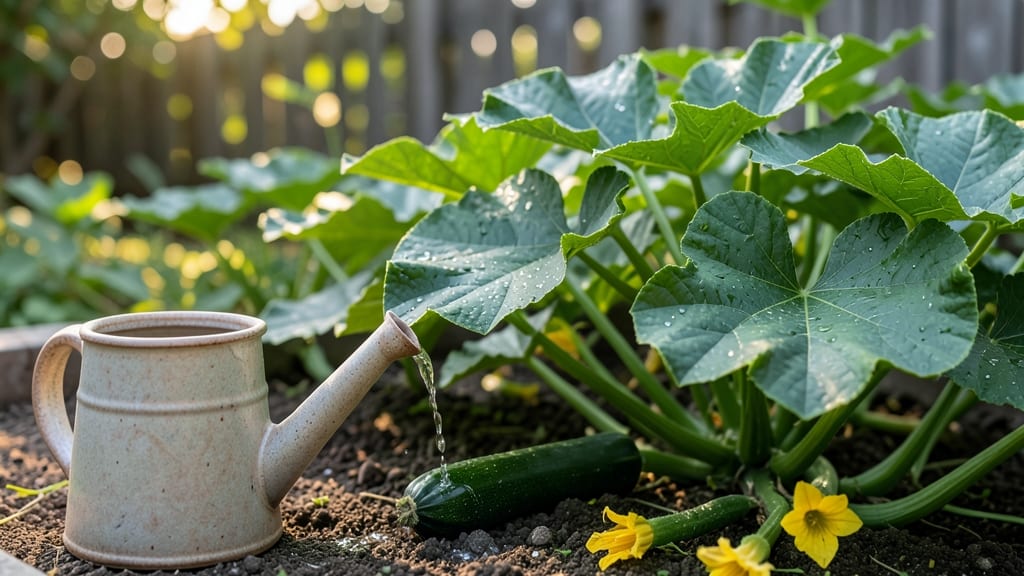
Zucchini need a lot of water to grow strong and produce fruit, but the key is keeping the soil consistently moist—not soggy.
Picture this: you’ve spent weeks nurturing your 🎃 plants, only for them to wilt or develop yellow leaves because you either drowned them or left them thirsty. The truth? Zucchini thrive on deep, even watering—about 1-2 inches per week—but how you deliver it makes all the difference.
Too much water leads to root rot and fungal diseases, while too little stresses the plant and shrinks your harvest. I’ll break down exactly how often to water, what signs to watch for, and how to adjust for heatwaves or containers—so you can avoid the most common mistakes.
By the end, you’ll know not just how much to water, but when and how to do it for the healthiest zucchini plants in your garden.
How much water do zucchini plants really need (and when)
Zucchini plants might look tough, but they actually need consistent moisture to produce those juicy, prolific fruits. Unlike drought-tolerant plants, zucchini roots spread wide but shallow, making them vulnerable to both under- and overwatering. The key is providing deep, even watering while avoiding soggy soil that invites disease.
I’ve learned the hard way—skipping watering just once during a heatwave can stall flowering, while too much water leads to root rot and wilted leaves.
Your zucchini’s water needs change dramatically as it grows—from delicate seedlings to heavy-fruiting adults. Understanding these stages helps you adjust your watering schedule precisely. For example, young plants need gentle moisture, while mature plants with 6-8 inch fruits demand 1-2 inches of water weekly.
Let’s break down exactly how much water zucchini need at each growth phase, plus how to test your soil moisture like a pro.
During the seedling stage, zucchini need gentle watering—about 1/2 inch per week. Overwatering here can drown tender roots, while underwatering causes the soil to crust over, preventing new roots from forming.
I always use a fine mist spray or drip irrigation to keep seedlings moist without disturbing their delicate stems. A simple trick: stick your finger 1 inch deep into the soil—if it’s dry, it’s time to water.
Once your zucchini plants hit the vegetative growth stage (weeks 3-6), their water needs double. This is when they start developing those large, broad leaves that soak up sunlight and transpire moisture rapidly. Aim for 1-1.5 inches of water weekly, delivered deeply to encourage roots to spread outward.
Shallow watering here leads to weak root systems that can’t support heavy fruits later. I’ve found that watering in the early morning (before 10 AM) minimizes evaporation and reduces fungal risks.
The flowering and fruiting stages (weeks 6-10) are when zucchini demand the most water—up to 2 inches weekly. This is critical because water stress during flowering causes flowers to drop before they can turn into zucchini.
I’ve seen this happen when gardeners cut back watering "to save time," only to end up with fewer harvests. Look for drooping leaves or blossom-end rot (a classic sign of inconsistent moisture) as red flags.
In extreme heat (above 90°F), I water daily using drip lines to keep roots cool.
Testing soil moisture is easier than you think. The finger test works best: push your index finger 2 inches deep into the soil near the plant’s base. If it feels dry at that depth, water thoroughly until moisture reaches 6-8 inches down.
For a more precise method, use a soil moisture meter (they’re cheap and save guesswork). Pro tip: Mulch heavily (3-4 inches of straw or shredded leaves) to lock in moisture and keep roots cool—this cuts watering needs by 30% in my garden.
One of the biggest mistakes I’ve seen (and made!) is watering zucchini based on a schedule rather than the
Overwatering zucchini: 5 silent signs you're drowning your plants
Zucchini plants may seem like they need constant hydration, but overwatering is one of the most common mistakes that stunts growth and invites disease. While these plants love moisture, their roots need oxygen-rich soil to thrive—not soggy conditions.
I’ve seen many gardeners accidentally turn their thriving zucchini into a fungal buffet by keeping the soil too wet.
Even experienced growers can struggle to spot the early signs of overwatering. Unlike wilting from drought, overwatered zucchini shows subtle clues like yellowing leaves or mushy stems. The key is learning how to balance moisture without smothering your plants.
Let’s explore the 5 silent signs your zucchini is getting too much water—and how to fix it before it’s too late.
⚠️ Zucchini Watering Myth
Zucchini do NOT need a lot of water—just consistent moisture. Overwatering causes root rot and fungal diseases like powdery mildew, which can kill your plants faster than drought. 1-2 inches of water per week is ideal, adjusted for heat and soil type.
First, watch for yellowing leaves that start at the oldest growth. This isn’t the same as nutrient deficiency—overwatering blocks oxygen to roots, causing leaves to turn yellow and eventually drop.
If you see this, let the top inch of soil dry out before watering again. I’ve found that morning watering helps prevent fungal issues by giving foliage time to dry.
Another red flag is soft, mushy stems when you gently squeeze them. Healthy zucchini stems should feel firm but slightly springy. If they collapse under pressure, your plant is drowning.
At this stage, stop watering entirely for 3-4 days to let the roots recover. You may need to repot or transplant severely affected plants to fresh, dry soil.
Fungal diseases like powdery mildew or blossom end rot often appear after overwatering. Look for white powdery spots on leaves or dark, sunken patches on fruit. To prevent this, water at the base of the plant instead of overhead and ensure proper airflow between leaves.
Neem oil sprays can also help if you spot early signs of fungal growth.
Don’t forget to compare your zucchini’s needs to other summer squash varieties. While zucchini prefers consistent moisture, butternut squash tolerates slightly drier conditions, and patio pumpkins need even more water. Always check the soil moisture by sticking your finger 1-2 inches deep—if it’s damp, wait before watering again.
If you’ve overwatered, don’t panic. The first step is to improve drainage by adding compost or perlite to heavy soils. For container-grown zucchini, ensure pots have drainage holes and avoid saucers that trap excess water.
With these adjustments, your plants can bounce back—just give them time to recover from the stress.