
Light Requirements
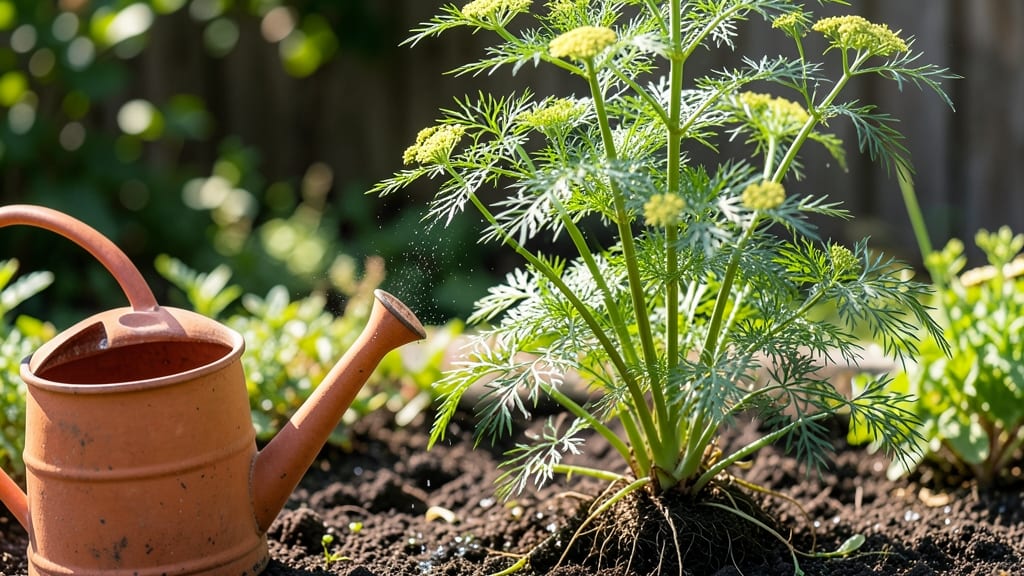
Dill needs a lot of water only if you’re drowning it—this hardy herb thrives on moderate moisture and can handle brief dry spells better than most gardeners expect.
If you’ve ever watched your dill leaves wilt dramatically after a single missed watering, you might think it’s a high-maintenance diva. The truth? Dill’s drought tolerance is one of its secret superpowers, making it a breeze to grow even for busy gardeners.
In USDA Zone 6a, where spring planting kicks off in April, dill typically needs water every 3-5 days—but that changes as summer heat ramps up. The key is keeping the soil consistently moist (not soggy) while letting the top inch dry out between drinks.
Below, I’ll break down exactly how to water dill for lush, flavorful leaves—plus how to spot when you’re overdoing (or underdoing) it. No guesswork, just thriving 🌿 plants.
How much water does dill actually need?
Dill is one of those herbs that surprises gardeners with its drought tolerance. Unlike moisture-loving basil or parsley, dill thrives with moderate watering—not the constant hydration you might expect. The key is keeping the soil evenly moist but never soggy, which prevents root rot while supporting robust growth.
I’ve grown dill in both container gardens and in-ground beds, and the watering needs stay remarkably consistent.
For young seedlings, the soil should stay lightly damp but never waterlogged. Once established, mature dill plants can handle drier conditions—a trait that makes them perfect for low-maintenance gardens.
However, extreme drought can cause leaves to yellow or bolt prematurely, so finding that balance is crucial. Let’s break down exactly how much water dill needs at each growth stage.
| Growth Stage | Water Frequency | Soil Moisture Goal | Seasonal Notes |
|---|---|---|---|
| Seedlings (0-4 weeks) | Every 2-3 days | Lightly damp (1-2 inches deep) | Use a spray bottle to avoid disturbing soil |
| Established Plants (4-8 weeks) | Every 3-5 days | Moderately moist (2-3 inches deep) | Reduce frequency if rainfall exceeds 1 inch/week |
| Mature Plants (8+ weeks) | Every 5-7 days | Dry topsoil (3-4 inches deep) | Drought-tolerant; prioritize during heatwaves |
| Container-Grown Dill | Every 2-3 days | Consistently moist (pots dry faster) | Use well-draining soil and larger pots |
| Summer Heatwave | Daily (early morning) | Deep watering (4+ inches) | Mulch heavily to retain moisture |
Seasonal adjustments are where dill’s watering needs shift dramatically. During spring and fall, when temperatures are mild, dill can go 5-7 days between waterings.
But in summer heat, especially in USDA Zone 7 and hotter, I’ve found that watering every 2-3 days in the morning prevents wilting. The goal is to mimic natural rainfall patterns—deep, infrequent watering encourages strong root development.
One common mistake I see is overwatering dill, especially in containers or heavy clay soil. When roots sit in soggy conditions, they suffocate, leading to yellowing leaves and fungal diseases.
To test soil moisture, stick your finger 2-3 inches deep—if it feels dry, it’s time to water. If it’s still damp, wait another day. This simple check saves countless plants from waterlogging stress.
For container gardeners, dill’s needs change because pots dry out 3-5 times faster than in-ground beds. I use terracotta pots (they breathe better) and add a layer of perlite to the soil mix to improve drainage.
In my experience, container-grown dill needs watering every 2-3 days in summer, even if the weather isn’t extreme. A self-watering planter can be a game-changer here.
Dill’s drought tolerance makes it a fantastic choice for xeriscaping or water-wise gardens. Once established, it can handle short dry spells without major setbacks. However, prolonged drought will cause the plant to bolt prematurely (flower and go to seed), which reduces leaf production.
To prevent this, I’ve had success mulching with straw—it locks in moisture and keeps roots cool during hot afternoons.
If you’re growing dill in clay-heavy soil, amending the bed with compost or sand improves drainage significantly. Poor drainage is the #1 reason dill plants fail, so don’t skip this step.
I’ve seen dill thrive in sandy loam with minimal watering, but it struggles in compacted or waterlogged soil. A quick soil test can reveal if your garden needs adjustments before planting.
Pro tip: Drip irrigation is ideal for dill because it delivers water directly to the roots without wetting the leaves, reducing the risk of fungal diseases. If you’re using a hose, water at the base of the plant and avoid overhead spraying, especially in the evening.
Wet foliage left overnight invites powdery mildew, a common issue with herbs.
Remember, dill’s water needs are flexible—they adapt to your climate and soil type. In arid regions, I’ve grown dill with automatic
Signs your dill is thirsty (or overwatered) and how to fix it
Dill plants often hide their watering struggles behind their feathery green leaves, but subtle clues reveal whether they're crying out for hydration or drowning in excess moisture. Underwatered dill shows signs like crispy leaf edges and drooping stems, while overwatered dill develops yellowing foliage and mushy stems.
Both conditions stress your plant, so recognizing these symptoms early is key to reviving your herb garden.
I’ve seen gardeners accidentally kill their dill plants by assuming "more water = better growth." In reality, dill prefers moderate moisture—enough to keep the soil evenly damp but never soggy. The root system of dill is surprisingly delicate, making it vulnerable to both drought and waterlogging.
Let’s explore how to diagnose and fix these common watering mistakes before they become permanent damage.
⚠️ Does Dill Need a Lot of Water?
No—dill is drought-tolerant once established! While young seedlings need consistent moisture, mature dill thrives on 1 inch of water per week during active growth. Overwatering causes root rot and yellow leaves, while underwatering leads to wilting and stunted growth. The key is even moisture—never letting the soil dry out completely or stay soggy.
One of the first signs your dill is thirsty is leaves that feel dry and crispy to the touch. Run your fingers along the leaf edges—if they crumble easily, your plant needs water immediately. Another red flag is stems that droop dramatically in the afternoon heat.
These symptoms often appear when dill hasn’t been watered for 5-7 days, especially in hot, dry conditions. To fix this, water deeply at the base of the plant until the soil is moist 1-2 inches down.
On the opposite end, overwatered dill reveals itself through yellowing leaves that start at the bottom and work upward. The soil may feel damp or even waterlogged, and the stems might appear soft or mushy when pressed.
This is a clear sign of root rot, a fungal issue caused by poor drainage. To save your plant, stop watering immediately and allow the top 2-3 inches of soil to dry out completely before watering again. Improving drainage with organic matter like compost can prevent future issues.
If your dill shows both yellowing and wilting, it might be suffering from a nutrient deficiency caused by inconsistent watering. In this case, a balanced 5-10-5 fertilizer applied in the morning can help, followed by a thorough watering.
Always water in the early morning to allow foliage to dry quickly, reducing the risk of fungal diseases. Remember, dill’s roots need oxygen, so well-draining soil is non-negotiable for its health.
To keep your dill thriving, create a simple watering schedule: check soil moisture by inserting your finger 1 inch deep. If it feels dry, water until moisture reaches 2-3 inches down.
During summer, you may need to water every 2-3 days, while fall and spring typically require watering every 5-7 days. Mulching with straw or wood chips helps retain moisture and regulate soil temperature, reducing the frequency of watering needed.
With these fixes, your dill will bounce back from watering mishaps and reward you with aromatic leaves all season long. Pay attention to the soil, not just the leaves, and you’ll master the art of watering dill like a pro. Happy gardening! 🌿