
Lawn
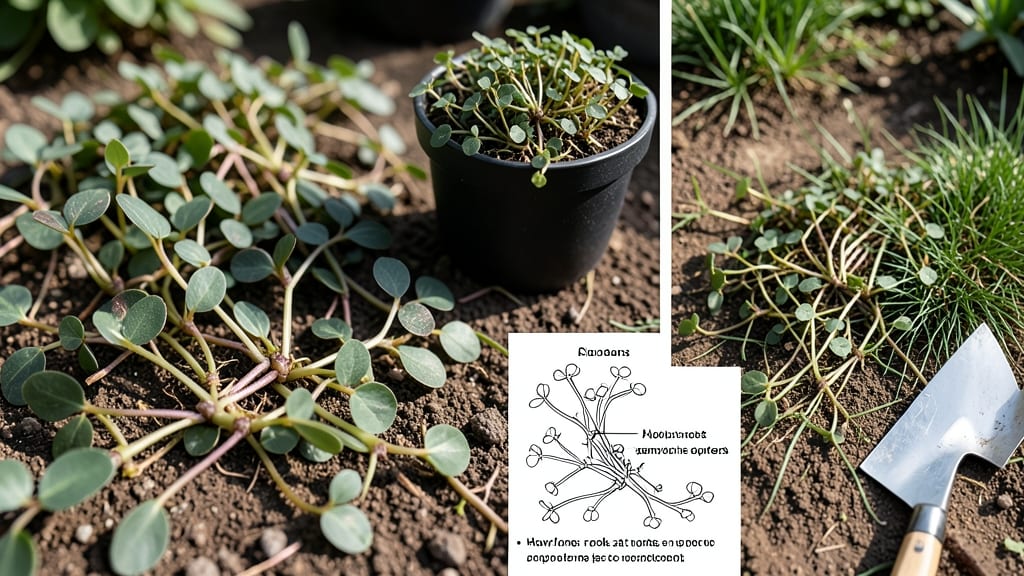
Bugleweed does spread aggressively through underground stems called rhizomes and prolific seed production, creating dense ground cover that can take over lawns and garden beds within just one growing season if not controlled.
This weed's underground network grows horizontally up to 2 feet per year, while its seeds can travel through wind, water, or even on shoes and tools. 🔥 Once established, bugleweed outcompetes desirable plants by blocking sunlight and absorbing soil nutrients, making it a major headache for gardeners and landscapers alike.
The key to stopping it lies in early intervention—before those rhizomes establish deep roots.
I've seen firsthand how quickly it can transform a neatly maintained yard into an unruly mat of green within months. The good news? With consistent removal methods and proper barriers, you can regain control—though it often takes multiple seasons to fully eradicate established patches.
💡 In This Article
- How Bugleweed Invades Landscapes: Growth Mechanics
- Effective Bugleweed Control Strategies for Gardens
How bugleweed invades landscapes: growth mechanics
Bugleweed's invasion begins with its rhizomes—thick, horizontal underground stems that grow aggressively. These rhizomes can extend 12-24 inches annually, creating a sprawling network that connects individual plants. Each node along the rhizome has the potential to sprout new shoots, forming dense colonies that quickly dominate garden beds.
The deeper the rhizomes penetrate—often reaching 6-12 inches—the harder they become to eradicate completely. 🌱
This underground expansion works in tandem with its seed production. A single bugleweed plant can release thousands of seeds per season, which remain viable in the soil for 5-10 years. The seeds are lightweight, allowing wind to carry them up to 100 feet from the parent plant.
Even a small patch can become a major infestation within 2-3 growing seasons if left unchecked, as both rhizomes and seeds contribute to its relentless spread.
Environmental conditions dramatically accelerate bugleweed's growth. It thrives in partial shade to full sun and tolerates a wide range of soil types, though it prefers moist, well-drained conditions.
In lawns, it outcompetes grass by forming thick mats that block sunlight, while in garden beds, its dense foliage smothers desirable plants. The combination of rapid rhizome expansion and prolific seeding makes bugleweed particularly challenging to control once established.
What makes this weed especially problematic is its resilience to disturbance. When you mow or till the area, you're actually stimulating new growth from the severed rhizome pieces. Each fragment left in the soil has the potential to regenerate into a new plant, creating more work for gardeners.
This is why proper removal techniques—like digging out entire rhizome systems—are critical for long-term management.
Interestingly, bugleweed's growth patterns vary by region. In temperate climates, it grows most aggressively during spring and fall, taking advantage of mild temperatures and increased moisture.
In warmer southern climates, it may grow year-round, making control efforts more challenging. Understanding these seasonal patterns helps gardeners time their interventions most effectively.
One often overlooked factor is how bugleweed spreads through human activity. Its seeds easily hitchhike on shoes, tools, and even pet paws, allowing it to jump between yards. This is why containment is so difficult—what starts as a small patch in one garden can quickly become a neighborhood-wide problem.
The key to stopping its spread lies in early detection and consistent management before these mechanisms take full effect.