
Neem Oil
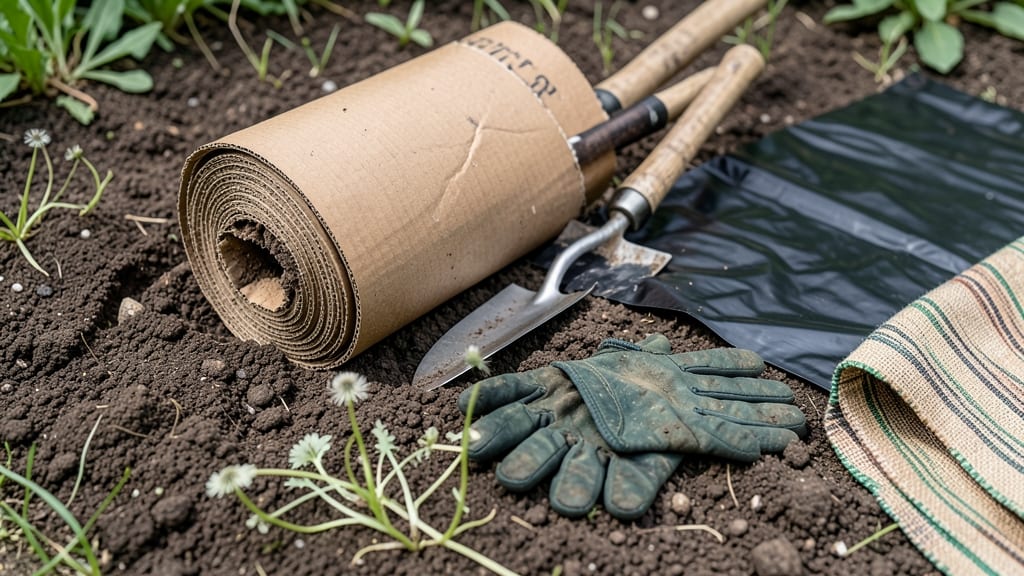
Yes, cardboard works as a weed barrier by blocking sunlight, but it breaks down in 6–12 months unless treated. Use unbleached, thick cardboard, remove all tape/staples, and cover with mulch or soil for best results.
Cardboard smothers weeds by cutting off their sunlight, which is their primary energy source.
The thicker and more opaque the cardboard, the better it works—bleached versions degrade faster because they lack the natural lignin that resists decomposition. 🌱 I’ve found that layering it under mulch extends its lifespan by keeping moisture away, which slows microbial breakdown.
Just remember to remove any plastic tape or staples first, as these can leach chemicals into the soil.
For long-term use, consider treating the cardboard with a natural sealant like beeswax or food-grade mineral oil. This creates a barrier that lasts up to 2 years, though you’ll still need to check for tears or gaps where weeds might sprout.
The key is balancing effectiveness with sustainability—cardboard is a great eco-friendly option, but it’s not permanent.
💡 In This Article
- How Cardboard Blocks Weeds and Its Decomposition Timeline
- Best Practices for Using Cardboard as a Weed Barrier
How cardboard blocks weeds and its decomposition timeline
Cardboard suppresses weeds primarily through light deprivation. Most weeds require sunlight for photosynthesis—their energy source. When you lay down a thick layer of cardboard, it cuts off 90-95% of light reaching the soil, effectively starving existing weeds and preventing new seeds from germinating.
The effectiveness depends on the cardboard's opacity and thickness: 16-32 point cardboard (common for shipping boxes) blocks light better than thinner varieties, while bleached cardboard degrades faster due to chemical processing that weakens its fiber structure. 🌱
The decomposition process begins immediately as soil microbes and fungi attack the cardboard's cellulose fibers. In moist conditions, this breakdown accelerates—unbleached cardboard can last 6-12 months while bleached versions may degrade in just 3-6 months.
The key factor is moisture: cardboard left exposed to rain or irrigation breaks down 30-50% faster than when protected under mulch. Temperature also plays a role—warmer climates speed up microbial activity, while colder regions slow decomposition to 12-18 months for untreated cardboard.
What most people don't realize is how the cardboard's composition affects soil health. Unbleached cardboard contains lignin, a natural polymer that resists microbial breakdown longer than processed fibers. When it finally decomposes, it adds organic matter to the soil, improving texture and nutrient content.
However, bleached cardboard may release chlorine residues during decomposition, which could temporarily alter soil pH—though this effect is usually minimal in garden-scale applications.
For maximum effectiveness, aim for 2-3 layers of thick, unbleached cardboard (about 1/4-inch thick total). This creates a denser barrier that blocks light more completely and lasts longer.
The layers should overlap by 2-3 inches to prevent light from seeping through gaps. 🔥 Pro tip: Place the printed side down—ink contains carbon, which can slightly darken the soil over time, but it won't harm plants.
Consider these factors when planning your weed barrier:
- Thickness: 16-32 point cardboard lasts longest; avoid corrugated boxes with thin flutes
- Bleaching: Unbleached degrades slower and adds organic matter; bleached breaks down faster
- Moisture protection: Cover with 2-3 inches of mulch to extend lifespan by 50-100%
- Seasonal timing: Install in early spring before weeds germinate; replace if tears appear
The decomposition timeline varies by climate, but you can extend it significantly by treating the cardboard with a natural sealant like beeswax or food-grade mineral oil. This creates a temporary hydrophobic layer that repels moisture, slowing microbial activity.
Just remember—while effective, cardboard is a temporary solution. After 12-18 months, you'll need to replace it or transition to permanent barriers like landscape fabric or living mulches. ✨