
Diseases
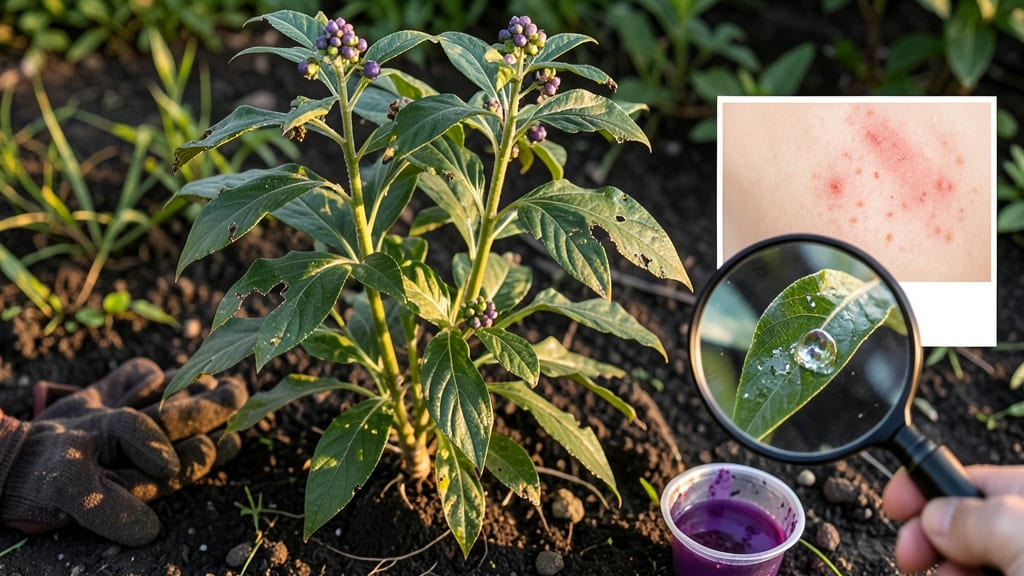
Yes, pokeweed causes a rash through skin contact with its sap or berries, triggering allergic reactions like itching, redness, and blisters in sensitive individuals. Its toxic compounds—including lectins and alkaloids—disrupt skin cells, worsening symptoms over time if untreated.
This aggressive plant's toxic sap contains phytolacca acid, which breaks down skin barriers and provokes an immune response in many people. 🌿 Even brief contact can leave red, swollen patches that develop into painful blisters, especially in those with sensitive skin or allergies.
The berries are particularly dangerous—they contain higher concentrations of these irritants, and even touching them can lead to severe reactions. I've seen gardeners develop rashes within hours of handling pokeweed stems, proving how quickly symptoms can appear.
What makes this reaction so persistent is how the toxins linger on skin and clothing. Unlike mild irritants, pokeweed compounds bind to proteins, making them harder to wash away completely. That's why immediate cleaning with soap and water is critical—delaying treatment often means prolonged discomfort.
The good news? Most rashes clear up within a week with proper care, though severe cases may require medical attention to prevent secondary infections.
💡 In This Article
- How Pokeweed Toxins Trigger Skin Reactions
- First Aid for Pokeweed Rash and Prevention Tips
How pokeweed toxins trigger skin reactions
The pokeweed plant's skin-irritating power comes from a cocktail of toxic compounds, with phytolacca acid being the primary culprit. This chemical acts like a natural solvent, breaking down the lipid barrier of your skin's outermost layer—the stratum corneum.
Once this protective shield is compromised, your body's immune system recognizes the plant proteins as invaders, triggering a cascade of inflammatory responses. The resulting rash often appears as red, raised bumps that can develop into fluid-filled blisters within 6-24 hours of exposure.
Beyond phytolacca acid, pokeweed contains lectins (proteins that bind to cell membranes) and alkaloids (nitrogen-containing compounds that disrupt cellular functions). These molecules work synergistically to amplify the skin's reaction.
For example, the lectins can actually penetrate deeper skin layers, while the alkaloids enhance blood vessel dilation—both contributing to the characteristic itching and swelling. 🌱 What's fascinating is how individual sensitivity varies: some people develop mild redness, while others experience severe blistering that resembles poison ivy reactions.
The severity of the reaction depends on several factors, including exposure duration and skin type. Children and individuals with eczema or allergies tend to react more intensely because their skin barriers are already compromised.
Even the plant's berries contain concentrated toxins—just touching them can cause reactions, though ingestion poses even greater risks. The toxins remain active even after the plant is dried, meaning old pokeweed stems can still trigger reactions months later.
Here's what happens at the cellular level: phytolacca acid disrupts keratinocyte (skin cell) membranes, while the immune system releases histamine and other inflammatory mediators. This creates the classic allergic contact dermatitis symptoms: redness, warmth, and intense itching.
The process is similar to how poison ivy works, but pokeweed's compounds are often more persistent in the environment, sticking to tools, clothing, and even pet fur for extended periods.
Interestingly, some studies suggest that repeated exposure might actually desensitize certain individuals, though this isn't guaranteed and can be dangerous. The plant's toxins don't just affect skin—they can cause gastrointestinal issues if ingested, making pokeweed one of nature's most potent irritants.
That's why gardeners and landscapers need to treat it with the same caution as poisonous neighbors like sumac or stinging nettle.