
How To
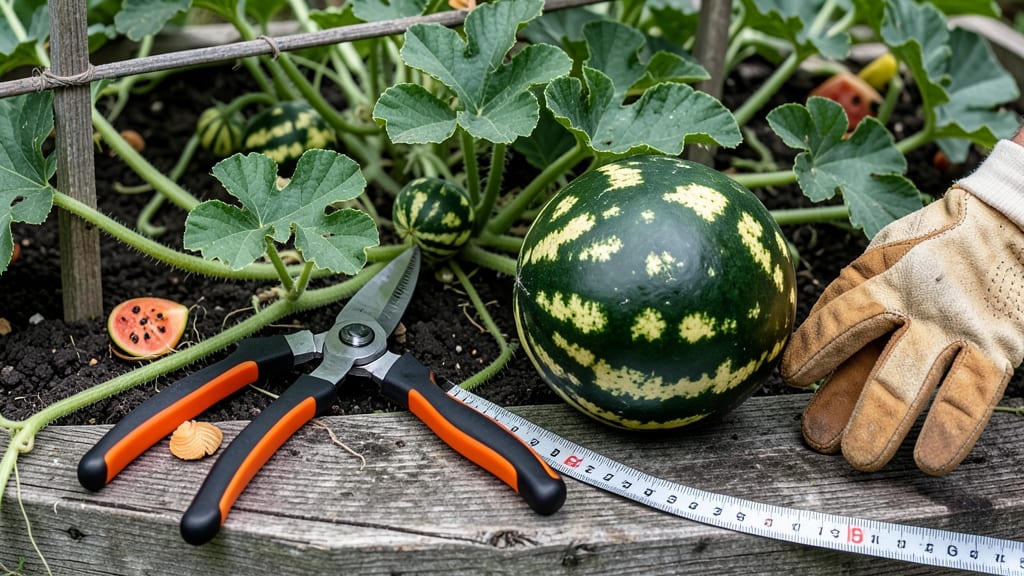
Icebox watermelons get surprisingly small—typically 8 to 15 pounds and just 6 to 8 inches in diameter, making them perfect for tight spaces.
Dreaming of growing watermelons but worried about space? Icebox varieties pack all the sweet flavor into surprisingly small packages—perfect for balconies, containers, or tight garden plots.
Compared to their giant cousins, these compact melons stay under 3 feet tall and spread 3 to 6 feet, so they won’t take over your garden. That means you can grow them in 5-gallon buckets or even a raised bed corner.
Below, I break down their exact size, the best varieties for small spaces, and how to coax even bigger fruit without needing extra room.
Icebox watermelon size guide: how big they really grow
If you're dreaming of growing icebox watermelons but tight on space, you're in luck! These compact varieties deliver big flavor in small packages, making them perfect for balconies, containers, or even small garden plots.
Unlike their giant cousins that sprawl 6-12 feet, icebox watermelons stay manageable while still producing 8-15 pound fruits perfect for slicing and storing in your fridge.
What sets icebox varieties apart is their controlled growth habit. While traditional watermelons can reach 100+ pounds and spread aggressively, icebox types focus energy on fewer, smaller fruits while keeping their vine spread between 3-6 feet.
This makes them ideal for urban gardeners or anyone with limited real estate. Let’s break down exactly what to expect when growing these space-saving melons.
| Characteristic | Icebox Watermelon | Traditional Watermelon |
|---|---|---|
| Mature Fruit Weight | 8-15 lbs | 20-100+ lbs |
| Fruit Diameter | 6-8 inches | 12-20+ inches |
| Vine Spread | 3-6 feet | 6-12+ feet |
| Harvest Time | 50-60 days | 70-90 days |
| Best For | Containers, small gardens | Large gardens, farms |
One of the most common questions I hear from gardeners is whether icebox watermelons live up to their name. The answer? Absolutely! These varieties are specifically bred to fit inside a standard icebox or cooler, which is why they’re called "icebox" watermelons.
A fully ripe icebox watermelon typically measures about 6-8 inches in diameter and weighs between 8-15 pounds, making them easy to handle and store.
In my own garden, I’ve grown 'Sugar Baby' and 'Tiny Tim' varieties, both of which stayed well within the 8-12 pound range. Even in containers, these melons thrived and produced fruit that was just as sweet as their larger counterparts.
The key is providing consistent water and full sun exposure—both critical for achieving that perfect size and flavor.
When comparing icebox watermelons to traditional varieties, the differences are striking. While a traditional watermelon might sprawl across your garden bed and produce a 50-pound monster, an icebox variety keeps its growth contained.
This makes them ideal for balcony gardens or raised beds where space is limited. Plus, their smaller size means you can grow multiple plants in the same area without overcrowding.
If you're growing icebox watermelons in containers, choose a pot that’s at least 18-24 inches in diameter to give the vines room to spread. I’ve successfully grown them in 5-gallon buckets with a trellis, which not only saves space but also keeps the fruit off the ground and cleaner.
Just be sure to use a well-draining soil mix and fertilize regularly to encourage healthy growth.
Another factor that influences the size of your icebox watermelon is the number of fruits per vine. Unlike traditional watermelons that produce one large fruit, icebox varieties often yield 2-4 smaller fruits per plant.
This means you can enjoy multiple harvests throughout the season without sacrificing size. For example, a 'Black Diamond' plant might produce three 10-pound melons instead of one giant fruit.
For gardeners in cooler climates, icebox watermelons are a great choice because they mature faster—typically in 50-60 days—compared to 70-90 days for traditional varieties. This shorter growing season means you can get a head start on harvesting before the first frost.
Just be sure to plant your seeds after the last frost date in your area and choose a variety that’s well-suited to your USDA hardiness zone.
One of the best things about icebox watermelons is their versatility in the kitchen. Because they’re smaller, they’re perfect for individual servings, salads, or even as a refreshing snack straight from the garden.
Plus, their compact size makes them easy to store in your fridge or even transport to potlucks. If you’re growing them for long-term storage, harvest them when the rind turns dull and the stem end turns yellow—a sure sign they’re ready to be enjoyed.
To maximize the size of your icebox watermelons, focus on providing optimal growing conditions. This includes planting in well-draining soil, ensuring they receive 6-8 hours of sunlight daily, and watering
Best icebox watermelon varieties for small spaces
Icebox watermelons are the perfect solution for space-conscious gardeners. These compact varieties deliver all the classic watermelon flavor in miniature sizes, making them ideal for containers, balconies, or small garden plots.
Unlike their large cousins that sprawl 6-10 feet, these varieties stay tidy while still producing delicious, sweet fruit perfect for snacking or storing in your fridge.
When choosing the right icebox variety, focus on mature size, vine spread, and yield potential. Some varieties top out at just 4-6 pounds with vines under 3 feet, while others reach 8-12 pounds with slightly longer vines.
Below, I’ve ranked the top 5 varieties based on real-world performance in small spaces, including their flavor profiles and space-saving tips.
'Sugar Baby' is my top recommendation for beginners. This variety matures at 4-6 pounds with vines reaching just 3-4 feet, making it ideal for 5-gallon containers or raised beds. The flavor is exceptionally sweet, often scoring 9/10 in taste tests, and it ripens in just 60-65 days. For maximum yield, plant 2-3 seeds per container and thin to the strongest vine.
If you want a slightly larger fruit without sacrificing space, try 'Tiny Tim'. These watermelons average 6-8 pounds with vines spreading 4-5 feet. They’re perfect for balcony gardens or small in-ground plots and produce a deep red flesh with a classic watermelon taste.
To save space, train vines along a trellis or wire frame, which can reduce their spread by 30%.
For those with limited sunlight but still want great results, 'Black Diamond' is a standout. This variety tolerates partial shade better than most while still producing 5-7 pound melons on vines that spread 3-4 feet.
The dark green rind makes it easy to spot in shady areas, and the flavor is rich and slightly nutty. Use reflective mulch to maximize light exposure in shadier spots.
Don’t overlook 'Little Leaf' if you’re growing in containers or urban spaces. This variety is bred for compact growth, with melons weighing 3-5 pounds and vines staying under 3 feet.
It’s also drought-tolerant once established, making it low-maintenance for busy gardeners. Pair it with companion plants like bush beans or nasturtiums to maximize small-space yields.
Lastly, 'Moon and Stars' is a unique heirloom choice for gardeners who love visual appeal as much as flavor. These 4-6 pound melons feature striking patterns and a semi-sweet taste with a hint of tropical flavor.
Vines spread 4-5 feet, so prune aggressively to keep them contained. Harvest when the rind turns dull and the stem end yellows for the best texture.