
Pests
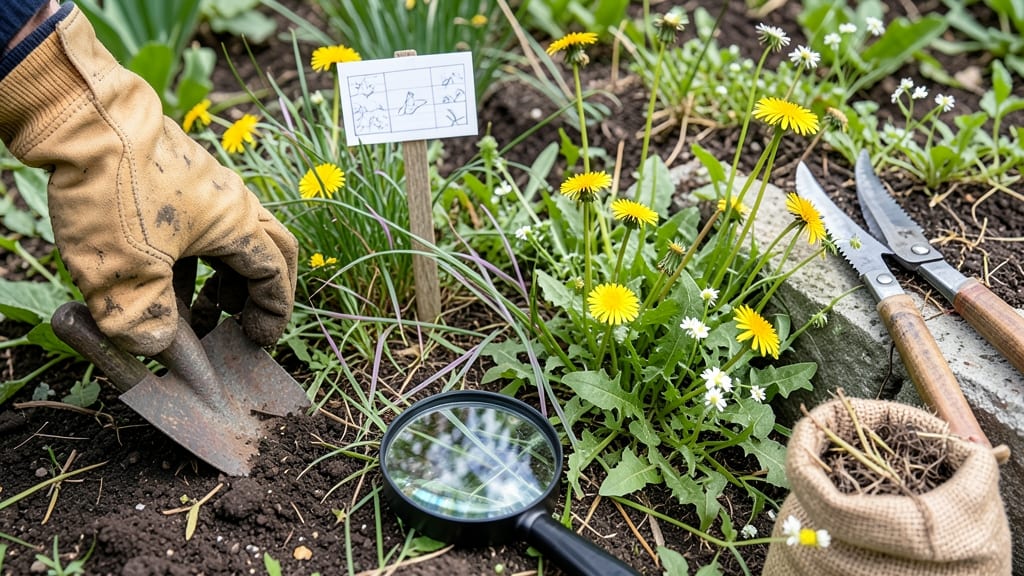
Questions about weeds typically revolve around how to identify them, the most effective removal techniques, and ways to prevent their return while protecting your garden's health—whether you prefer natural solutions or chemical treatments.
Weed management starts with understanding what you're dealing with—some look like harmless plants but can strangle your garden if left unchecked. 🌱 For example, dandelions might seem harmless, but their deep roots compete with vegetables for nutrients.
The key is learning to spot broadleaf weeds (like clover) versus grassy types (such as crabgrass), as this determines your removal strategy. Many gardeners also ask about invasive species, which can spread rapidly and disrupt local ecosystems if not controlled.
Once identified, the next big question is how to tackle them without harming your plants. Organic methods like mulching or vinegar sprays work well for small patches, while chemical herbicides offer faster results but require careful handling.
I always recommend testing a small area first—some "natural" solutions can still damage desirable plants if overused. Timing matters too: pulling weeds when the soil is moist makes the job easier and reduces regrowth.
💡 In This Article
- How to Identify and Differentiate Common Garden Weeds
- Best Organic and Chemical Weed Control Methods Compared
How to identify and differentiate common garden weeds
Weeds are often classified into two main types based on their leaf structure: broadleaf and grassy.
Broadleaf weeds, like dandelions or chickweed, have wide leaves with visible veins, while grassy weeds such as crabgrass or nutgrass have long, narrow leaves with parallel veins. 🌿 The distinction matters because broadleaf weeds respond better to selective herbicides that target dicotyledons (broadleaf plants), while grassy weeds are monocotyledons and require different treatments.
For example, a weed with jagged edges and a milky sap, like spurge, is a broadleaf type that thrives in disturbed soil.
Growth patterns also provide clues. Perennial weeds like quackgrass send out underground rhizomes, making them harder to eradicate than annuals like purslane, which complete their life cycle in one season.
Invasive weeds, such as kudzu or Japanese knotweed, spread aggressively and can dominate landscapes, often outcompeting native plants for sunlight and nutrients. Their rapid growth and dense foliage can smother garden beds, reducing biodiversity and soil health.
Identifying these traits early helps you choose the right control method before they take over.
Visual identifiers extend beyond leaves to include flower and seed structures. For instance, clover produces small white or pink flower clusters, while creeping Charlie has scalloped leaves and purple flowers. Grass weeds often grow in clumps or spread via stolons (above-ground runners), unlike desirable grasses that form neat tufts.
Pay attention to these details—misidentifying a weed as a desirable plant can lead to accidental harm when applying herbicides. A simple magnifying glass or a weed identification app can help clarify doubts in tricky cases.
Ecological roles add another layer to weed identification. Some weeds, like wildflowers, provide food for pollinators, while others, such as poison ivy, pose health risks. Native weeds often play a role in local ecosystems, whereas invasive species disrupt natural balances.
Understanding these distinctions helps you decide whether to tolerate certain weeds or actively remove them. For example, allowing a few clover patches in a lawn can improve soil nitrogen levels without requiring chemical intervention.
Seasonal changes affect weed visibility and growth. In early spring, weeds like henbit or chickweed emerge before many garden plants, making them easier to spot and pull. By midsummer, their presence might be overshadowed by taller crops, but their roots remain active.
Observing weeds at different stages—from seedling to maturity—reveals their full life cycle, which is key to timing removal efforts effectively. For instance, pulling weeds when they’re young and the soil is moist reduces the chance of regrowth.
If you’re still unsure about a plant’s identity, consider its impact on your garden. Weeds that spread quickly or host pests (like aphids on milkweed) warrant immediate action, while harmless ground covers might be left alone.
Consulting a local extension service or gardening forum can provide regional insights, as weed prevalence varies by climate and soil type. Armed with this knowledge, you’ll be better equipped to make informed decisions about what to keep and what to remove. 🌱