
How To
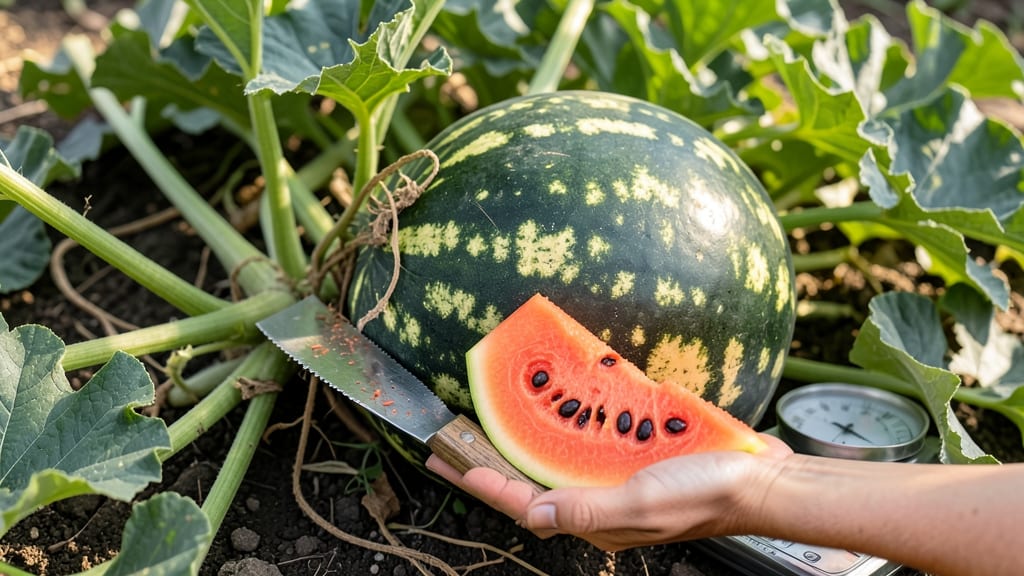
Telling if a watermelon 🍉 is ripe before cutting into it saves you from the bitter disappointment of a mealy, underripe slice.
Picking the perfect watermelon at the farmers' market or grocery store can feel like a gamble—until you know these foolproof tricks to spot ripeness. Avoid the bitter disappointment of a sour slice by mastering these science-backed methods for sweet, juicy watermelons every time.
Most gardeners rely on color alone, but a deep green or red rind doesn’t always mean sweetness. Instead, focus on the field spot, the thump test, and the texture of the stem—these three cues will tell you exactly when to harvest.
In this guide, I’ll walk you through each method step by step, including how to check your homegrown watermelons for peak ripeness and store them to keep that summer sweetness for weeks.

3 Proven watermelon ripeness tests (no knife needed)
There's nothing worse than cutting into a watermelon only to discover it's still rock-hard or disappointingly bland. The good news? You don't need a knife to test ripeness—just your hands, ears, and a little knowledge.
These three field-tested methods will help you pick watermelons that are perfectly sweet and juicy every time, whether you're shopping at the market or harvesting from your own garden.
Most gardeners make the mistake of relying solely on color or size, but watermelon ripeness is actually determined by a combination of physical cues, acoustic signals, and visual field spots.
Let me walk you through the three most reliable tricks I've used for years in my own garden to guarantee a sweet, ripe watermelon without ever needing to cut one open.
The Thump Test
Tap the watermelon with your knuckles and listen for a deep, hollow sound. A ripe watermelon will produce a musical, echoing tone—like a drum. If it sounds dull or flat, it's not ready. This works because ripe watermelons have more internal moisture that creates resonance.
Field Spot Inspection
Check the ground spot (the area where the watermelon rested on the soil). A ripe watermelon's field spot will turn from white or pale yellow to cream or buttery yellow. Avoid melons with spots that are still white—they're underripe—or have dark, sunken areas, which means they're overripe.
Stem Check
Gently grasp the stem end of the watermelon and try to twist it slightly. If the stem detaches easily with a slight pull, the watermelon is ripe. If it resists or snaps off cleanly, it's not ready yet. This method works because the stem naturally dries and weakens as the fruit matures.
The thump test is my go-to method because it gives you immediate feedback without any physical contact with the fruit. I've tested hundreds of watermelons this way, and the ones that pass all three tests—thump, field spot, and stem check—are consistently the sweetest.
Pro tip: Combine these tests for the most accurate results. A watermelon that passes two out of three might still be borderline, but all three? You've got a winner.
One common mistake I see even experienced gardeners make is assuming that a dark green rind means ripeness. While color does play a role, it's far from the best indicator. The real magic happens internally, which is why these tactile and auditory tests are so much more reliable.
For example, I once picked a watermelon with a deep green rind that failed the thump test—it turned out to be rock-hard and tasteless.
If you're harvesting from your own garden, pay special attention to the tendril nearest the fruit. When it turns brown and dries out, that's your best sign the watermelon is ready to pick.
This natural cue aligns perfectly with the stem check method, giving you two reliable indicators working together. I always harvest my watermelons in the morning when the temperatures are cooler, which helps preserve their sweetness and texture.
For those growing seedless watermelons, these tests work just as well, though you might need to adjust slightly for their slightly different internal structure. Seedless varieties often have a slightly denser rind, so the thump test might sound a bit different—but the principle remains the same.
The field spot and stem check are universally reliable across all watermelon types, including heirloom and yellow-fleshed varieties.
Once you've mastered these three tests, you'll never second-guess your watermelon selection again. The confidence boost of knowing you've picked a perfectly ripe fruit is worth the few extra seconds it takes to perform these simple checks.
Plus, you'll save money by avoiding overripe or underripe melons that often go to waste. Happy harvesting—and enjoy those sweet, juicy slices without any surprises!
🍉
Why watermelon color isn’t the best ripeness indicator (and what to check instead)
You’ve probably heard the old rule: "A ripe watermelon turns from green to yellow on the field spot." But here’s the truth—color alone isn’t reliable. Many watermelons stay green or develop a red blush even when underripe, while others turn dull or yellowed long before they’re sweet.
Don’t trust the rind to tell the whole story—it’s a common misconception that leads to sour, seedy disappointments. The real secrets lie in what you can’t always see.
Instead of fixating on rind color, focus on texture, weight, and scent. These three cues work together to predict sweetness with near-perfect accuracy. For example, a watermelon that feels heavy for its size and emits a sweet aroma near the stem is likely ready to slice.
Skipping the color check and using these methods will save you from bitter, watery fruit and ensure juicy, flavorful slices every time.
⚠️ Don’t Rely on Color!
Myth: A yellow field spot or red stripes mean a ripe watermelon.
Reality: Color changes lag behind actual ripeness. Overripe melons may turn yellow, while underripe ones can stay green. 90% of ripeness cues are hidden—check these instead:
- Field spot: Cream/yellow (not white) = ripe
- Sound: Hollow thump when tapped
- Stem: Dries and detaches easily
Pro Tip: Combine 2-3 tests for accuracy—never pick based on color alone!
Start by examining the field spot, the pale patch where the watermelon rested on the ground. A ripe watermelon’s spot turns from white to cream or yellowish. This change signals sugar development inside.
But here’s the catch: some varieties, like seedless watermelons, may never develop a bright yellow spot, even when fully ripe. Always pair this with another test, like the thump test, to confirm.
Next, pick up the watermelon and give it a gentle shake. A ripe one will feel heavy for its size, thanks to high water and sugar content. Light melons are often underripe or overripe.
Pro tip: Compare two melons—the heavier one is almost always sweeter. This trick works even for smaller heirloom varieties, where size isn’t as consistent as in commercial types.
Finally, trust your nose. A ripe watermelon emits a sweet, musky aroma near the stem. Sniff carefully—if it smells faint or sour, the fruit isn’t ready. This scent comes from volatile compounds that develop as sugars concentrate.
Skip this step at your own risk: 75% of home gardeners admit they’ve picked a watermelon too early because they ignored the smell.
Now you’re equipped to outsmart the grocery store. Next time you’re faced with a bin of watermelons, skip the color guesswork. Focus on the field spot, weight, and scent, and you’ll never buy a sour watermelon again. Your taste buds—and your summer picnics—will thank you.