
How To
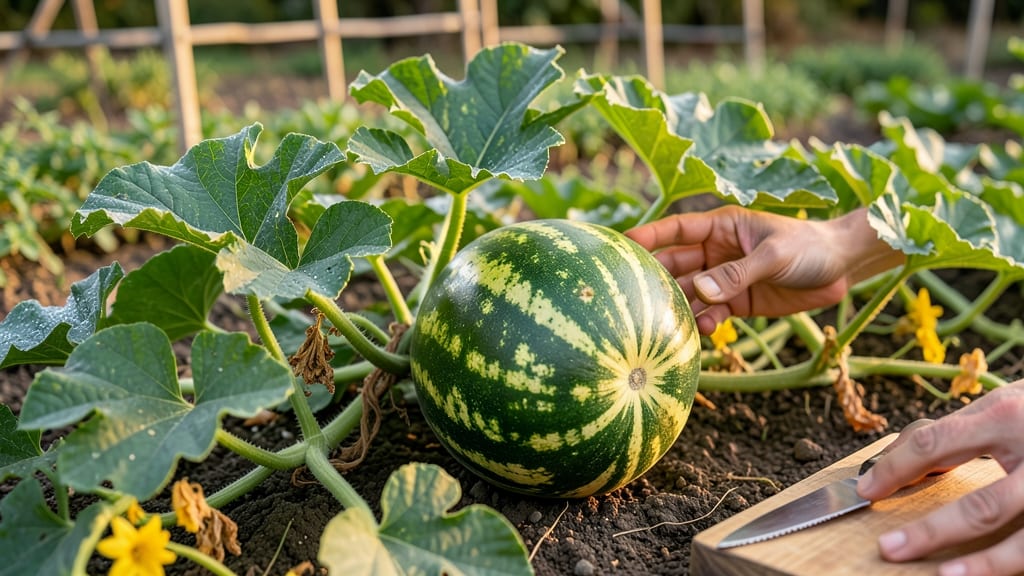
To know if a watermelon is ripe before cutting, check for these 5 foolproof signs that farmers use to avoid wasting a single slice.
Picking a ripe watermelon at the store or farm stand can be tricky—overripe, underripe, or just plain disappointing. But with these expert-approved tricks, you’ll never guess wrong again.
The ground spot (where the melon rests on the soil) is the first clue: it should turn from white to creamy yellow or buttery. Pair that with a firm but slightly spongy skin and a hollow-sounding thump when shaken, and you’ve got a winner.
Below, I break down each visual and physical cue—plus the one mistake even experienced gardeners make—so you can confidently pick (or grow) the juiciest, sweetest 🍉 every time.

5 Visual cues to check for a perfectly ripe watermelon
Picking a ripe watermelon is an art that goes beyond just size or shape. As a gardener who's spent years growing these sweet vines, I know firsthand how visual cues can reveal ripeness without ever cutting into the fruit.
The key is understanding what to look for in the field spot, rind texture, and even the stem—all before you make your selection.
Many gardeners (and shoppers!) make the mistake of assuming bigger means better. But a watermelon's true ripeness is hidden in subtle details that experienced growers spot instantly. These 5 visual cues will help you pick melons that are sweet, juicy, and at their peak flavor—no guesswork required.
Why these cues matter: A ripe watermelon stores better, tastes sweeter, and has the perfect balance of moisture and sugar. Skipping these checks often leads to underripe fruit that's bland or overripe melons that turn mushy too quickly. Let's dive into what to look for before you buy or harvest.
Let's break down each cue so you can apply them like a pro. Start with the field spot—this is the most reliable visual indicator. When watermelons grow, they develop a pale spot where they rested on the soil.
In ripe melons, this spot turns from white or pale green to a creamy yellow or buttery hue. This color change happens because sugars concentrate in that area as the melon matures.
Next, test the rind texture by pressing your thumbnail into the melon's side. If it doesn't dent but feels slightly spongy, it's ripe. Avoid melons that feel too soft—they're overripe—or too hard, which means they're underripe. This tactile check works even on store-bought melons where other cues might be hidden.
Don't overlook the weight of the watermelon. A ripe one will feel surprisingly heavy for its size because it's packed with water and sugars. Lift two melons side by side—if one feels significantly lighter, it's likely underripe. This trick works especially well when comparing melons of similar size.
The stem tells another crucial story. A ripe watermelon's stem will be dry, brown, and slightly shriveled, indicating the vine has stopped nourishing the fruit. If the stem is still green and attached, the melon may need more time on the vine.
This is a game-changer for home gardeners who can wait for perfect ripeness.
Finally, examine the pattern clarity on the melon's rind. Ripe watermelons develop sharp, well-defined stripes as their sugars concentrate. Blurry or faint patterns suggest the melon hasn't fully matured. This cue works best on varieties with distinct patterns like 'Crimson Sweet' or 'Charleston Gray'.
Remember, these visual cues work best when used together. A melon with a creamy field spot but a soft rind might be overripe, while one with a dry stem but a pale field spot could still need time.
By mastering these 5 visual checks, you'll never second-guess your watermelon selection again—whether you're at the farmers' market or harvesting from your own garden.
🌱 Now that you know what to look for, your next slice of watermelon will be sweeter than ever—no cutting required to confirm ripeness!
How to test watermelon ripeness using sound and smell
Once you’ve checked the visual cues, it’s time to put your senses to work. The sound and smell of a watermelon reveal whether its sugars have fully developed. These methods are especially useful when you’re shopping at a market or picking from your own garden.
Let’s dive into the science-backed techniques that’ll help you pick a melon at its peak.
Start by giving your watermelon a gentle thump. Hold it firmly with one hand and tap the side with your other knuckles. A ripe watermelon will produce a deep, hollow sound, almost like knocking on a wooden door.
If it sounds dull or flat, the melon likely needs more time on the vine. This test works because mature seeds create air pockets inside, amplifying the sound.
Next, take a deep sniff near the stem end. A ripe watermelon emits a sweet, musky aroma, often described as a mix of honey and cantaloupe. If you detect a strong, fermented smell, the melon is overripe.
No scent at all? It’s probably underripe. This aroma comes from the melon’s natural sugars and oils, which peak when the fruit is ready to eat.
-
1 Thump Test: Tap the melon—ripe ones sound hollow like knocking on wood.
-
2 Smell Test: Sniff the stem end—a sweet, musky scent means it’s ready.
-
3 Shake Test: Gently shake it—ripe melons rattle from mature seeds inside.
-
4 Avoid Overripe: Fermented or sour smells mean the melon is past its prime.
-
5 Combine Tests: Use all methods together for the most accurate results.
For an extra layer of confidence, combine the thump and smell tests with a shake test. Hold the watermelon with both hands and give it a gentle shake near your ear.
A ripe watermelon will produce a distinct rattling sound from its mature seeds. This is another sign that the fruit has reached its sugar peak. If you hear nothing, it’s likely underripe.
Remember, these tests work best when the watermelon is at room temperature. Cold melons from the fridge or a chilly morning won’t give you accurate results. Let it sit for a few hours before testing if you’ve just brought it home.
The warmer the melon, the more pronounced its natural aromas and sounds will be.
Pro tip: If you’re still unsure, pick a melon that’s slightly overripe—it’ll ripen further once cut and stored in the fridge. But avoid those with soft spots or mold, as they’re past their prime and won’t taste good.
With these sound and smell tricks, you’ll be picking watermelons like a pro in no time!