
Size
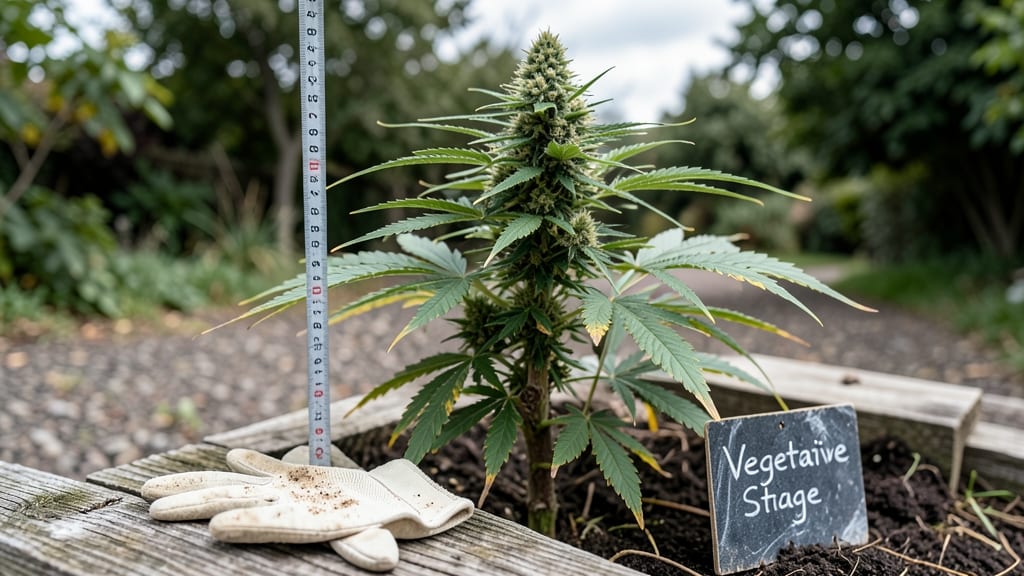
Growing weed outdoors takes 3 to 8 months from seed to harvest, with fast-flowering varieties like Autoflowering Ruderalis ready in 8–10 weeks, while photoperiod strains (such as Blue Dream) require 10–16 weeks of flowering under natural light cycles. Your local climate, soil quality, and cultivation practices play a huge role in how quickly plants mature.
Outdoor cannabis growth is all about balancing nature's timeline with your plant's needs. The vegetative stage (when plants focus on leaf and stem growth) typically lasts 4–8 weeks, but this can stretch if your plants aren't getting enough sunlight—especially in cloudy climates.
Once they hit the flowering stage, photoperiod strains rely on shorter daylight hours (like autumn) to trigger bud development, while autoflowering varieties bloom automatically after 2–4 weeks of growth. 🌱 The key is monitoring your plants' progress closely, as factors like temperature swings or nutrient imbalances can either speed up or delay harvest.
What many growers don't realize is that pruning and training techniques can also impact timing—properly topping or LSTing (low-stress training) helps plants focus energy on bud production rather than excessive foliage. In warmer climates, plants may mature faster, but they're also more vulnerable to pests and mold.
That's why I always recommend keeping a growth journal to track progress and adjust care as needed.
💡 In This Article
- Outdoor Cannabis Growth Stages and Timeline Breakdown
- Factors That Speed Up or Slow Down Outdoor Weed Growth
Outdoor cannabis growth stages and timeline breakdown
The outdoor cannabis growth journey begins with the seedling stage, where tiny sprouts develop into sturdy plants capable of supporting their own weight. This initial phase lasts about 2–4 weeks, during which seedlings need 14–16 hours of sunlight daily to establish strong root systems.
What's fascinating is how rapidly these plants grow—some varieties can add 2–4 inches per week during this period if conditions are ideal. The key here is maintaining consistent moisture (about 1–2 inches of water per week) while avoiding overwatering, which can lead to root rot.
Once seedlings reach 4–6 inches tall, they transition into the vegetative stage, where growth accelerates dramatically. This phase typically spans 4–8 weeks, depending on the strain, as plants focus on building leaf canopy and stem structure.
Photoperiod plants (like Blue Dream) rely on long daylight hours (14–16 hours) to stay in vegetative mode, while autoflowering varieties automatically switch to flowering after 3–4 weeks.
Temperature plays a critical role here—ideal ranges are 70–85°F during the day and 55–70°F at night, as extreme heat or cold can stunt growth. For example, a 90°F+ heatwave can cause leaf burn, while below 60°F slows photosynthesis.
The flowering stage marks the most critical period for outdoor growers, as this is when buds develop and terpene profiles mature. Photoperiod strains enter flowering when daylight drops below 12 hours (typically in late summer/early autumn), while autoflowers bloom automatically after 2–4 weeks of growth.
Flowering lasts 6–12 weeks, with bud production peaking during the first 4–6 weeks. Here's where climate becomes a game-changer: In Mediterranean climates, plants may complete flowering in 8–10 weeks due to warm days and cool nights, while cooler northern regions might extend this to 12+ weeks.
Humidity also matters—keeping levels between 40–60% prevents mold while maintaining 50–70% during bud development ensures proper resin production.
Finally, the harvest phase begins when 70–90% of trichomes (the resin glands) turn cloudy or amber. This usually occurs 2–4 weeks after flowering starts, though some growers wait for 20–30% amber trichomes for a more sedating effect.
The key is monitoring pistils (the white hairs on buds)—when 50–70% are orange, the plant is ready for harvest. What many growers overlook is the curing process, which takes 2–4 weeks and involves drying buds at 60–70% humidity before storing in airtight containers.
Proper curing enhances flavor and potency, making the difference between a mediocre high and a smooth, aromatic experience.
One fascinating aspect of outdoor growth is how light cycles naturally trigger flowering. In photoperiod strains, the shift from 14+ hours of daylight to 12 hours or less signals the plant to stop growing leaves and start producing buds.
This is why outdoor growers in temperate climates often time their harvests for late September to early October, when daylight shortens. Autoflowering varieties, however, bypass this light dependency, making them ideal for shorter growing seasons or regions with unpredictable weather.
For instance, Northern Lights autoflowers can go from seed to harvest in just 8–10 weeks, while photoperiod strains like White Widow may take 14–16 weeks of flowering alone.
Understanding these stages helps growers plan their outdoor gardens more effectively. For example, starting seeds indoors 4–6 weeks before the last frost gives seedlings a head start, while pruning lower branches during vegetative growth improves airflow and light penetration.
The result? Faster maturation and higher yields. 🌿 What's even more rewarding is seeing how these natural cycles create unique flavor and aroma profiles—outdoor-grown cannabis often develops earthier, more complex terpene profiles compared to indoor-grown plants.