
Size
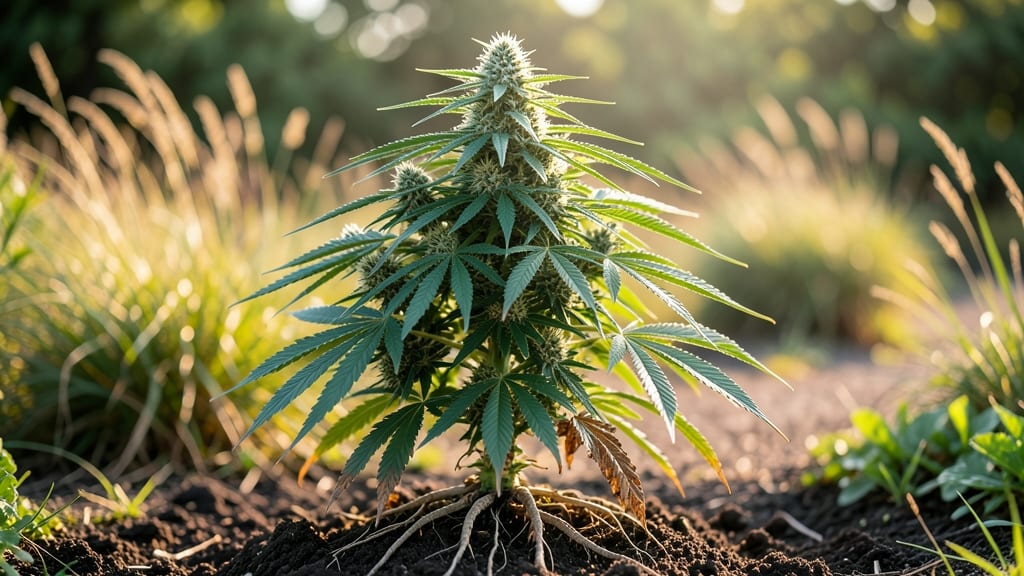
Growing weed outside takes about 4–8 months from seed to harvest, though this varies by plant type, location, and weather. Fast-flowering strains can mature in as little as 70–90 days, while traditional photoperiod plants need a full growing season to develop properly.
Outdoor cannabis growth is all about timing—your location plays a huge role. 🌱 In warmer climates like Southern California, plants can complete their cycle in just 3–4 months, while colder regions might stretch it to 8+ months.
The key stages (seedling, vegetative, flowering) each have specific light and temperature needs, and skipping any step—like not getting enough sunlight—can seriously cut your yield. I’ve seen growers in Mediterranean climates squeeze in two harvests per year by carefully timing their plantings to match seasonal changes.
What’s interesting is how strain selection impacts speed. Autoflowering varieties, for example, skip the light-dependent flowering phase entirely, often finishing in under 3 months. Meanwhile, photoperiod plants rely on natural daylight changes, which means you’re at the mercy of your local spring and fall.
If you’re planning an outdoor grow, I recommend starting with fast-flowering strains if you’re in a shorter growing season—it’s the easiest way to guarantee a harvest before frost hits.
💡 In This Article
- Outdoor Marijuana Growth Stages and Seasonal Timelines
- Speeding Up Outdoor Cannabis Growth: Climate and Strain Hacks
Outdoor marijuana growth stages and seasonal timelines
Outdoor cannabis growth unfolds in three distinct stages, each with its own timeline and environmental demands. The seedling phase lasts about 2–4 weeks, where the plant focuses on developing roots and initial leaves.
During this time, young plants need gentle warmth (65–75°F) and 6–8 hours of sunlight daily to avoid stress.
In cooler climates like the Pacific Northwest, seedlings planted too early may struggle with damp soil and sluggish growth, while Mediterranean regions can accelerate this phase thanks to consistent warmth and longer daylight hours.
The vegetative stage is where plants bulk up, typically lasting 4–8 weeks under ideal conditions. This phase thrives on 12+ hours of sunlight and temperatures between 70–85°F. In temperate zones, this might align with late spring to early summer, while tropical climates can extend it year-round.
What’s fascinating is how cannabis responds to light: plants in regions with shorter summer days (like Canada) may enter flowering prematurely if not managed carefully. 🌿 The vegetative phase is also when plants develop their signature structure—taller, bushier, and more resilient—preparing for the energy-intensive flowering stage.
The flowering phase is where the magic happens, lasting 8–12 weeks for photoperiod plants. This stage begins when daylight shortens (typically in late summer), triggering cannabinoid production. In regions with mild autumns (like Southern California), flowering can stretch into October, while colder areas may see it cut short by frost.
Autoflowering strains bypass this light dependency, often flowering in just 8–10 weeks regardless of season. The key here is temperature: ideal ranges are 68–80°F, but drops below 50°F can stunt growth or reduce potency, which is why growers in northern climates often use protective covers or greenhouses.
Seasonal variations play a huge role in these timelines. Mediterranean climates with hot, dry summers and mild winters allow for two harvests per year, while temperate zones like the Northeast U.S. might only get one.
Rainfall also matters: too much can lead to mold or nutrient runoff, while drought stress can slow growth. I’ve seen growers in Arizona time their plants to flower during the monsoon season (July–August) to balance water needs with temperature.
The right conditions can shave weeks off the total timeline—sometimes even months.
One often-overlooked factor is soil health. Rich, well-draining soil packed with organic matter (like compost or worm castings) can accelerate growth by up to 20%, especially during the vegetative stage. In contrast, poor soil or compacted clay can double the time needed for root development.
For example, a plant in nutrient-dense soil might reach harvest in 10 weeks of flowering, while one in depleted soil could take 14 weeks—a critical difference for seasonal growers. Testing soil pH (ideal range: 6.0–7.0) before planting is a game-changer.
Regional examples highlight these differences. In Southern Spain, growers often finish harvests by early October, thanks to long summer days and warm nights. Meanwhile, in Colorado, where summers are shorter, many opt for early-starting strains or use row covers to extend the growing season.
The takeaway? Your location isn’t just a backdrop—it’s a co-pilot in your plant’s journey to maturity. ✨