
Landscaping
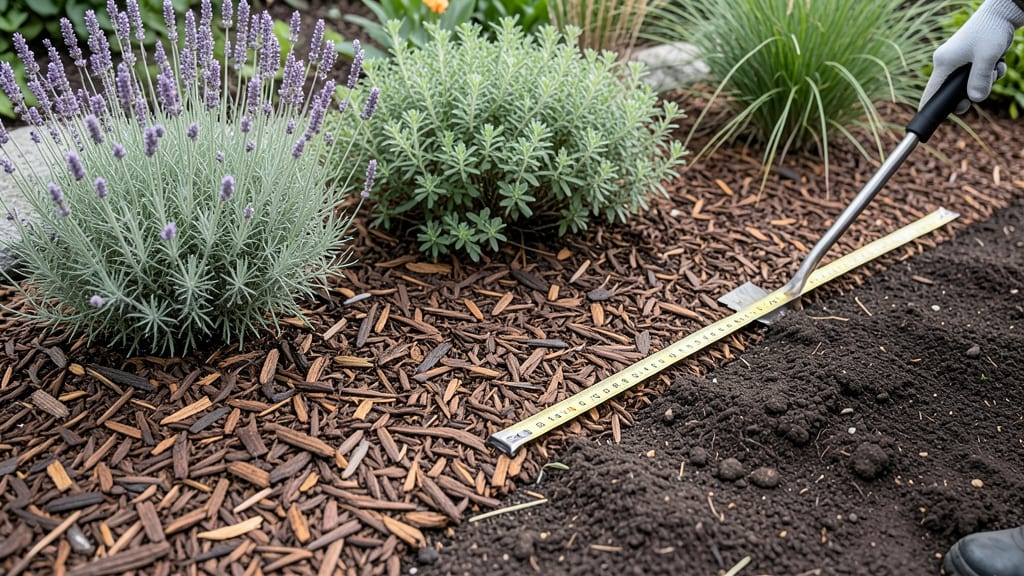
To prevent weeds effectively, apply 2 to 4 inches of mulch—this depth blocks sunlight while creating a physical barrier that stifles weed seeds. The right thickness also improves soil moisture retention and temperature regulation, though organic options will need occasional top-ups as they decompose.
This ideal range works because weeds need sunlight to germinate—2 to 4 inches creates enough shade to starve them out while allowing water and air to reach your plants. 🌱 Organic mulches like wood chips or straw break down over time, so I recommend checking the depth annually and adding more if it drops below 2 inches.
Inorganic options like gravel last longer but don’t improve soil health the same way.
For best results, spread mulch evenly across garden beds, leaving a small gap around plant stems to prevent rot. In hot climates, deeper mulch helps retain moisture, while in cooler areas, it insulates roots. The key is consistency—maintaining that 2- to 4-inch layer keeps weeds at bay season after season.
💡 In This Article
- How Mulch Thickness Affects Weed Growth and Soil Health
- Best Mulch Types and Application Tips for Weed Control
How mulch thickness affects weed growth and soil health
Weeds thrive on sunlight, and mulch works by creating a physical barrier that blocks 90% or more of light from reaching weed seeds. When you apply 2 to 4 inches, you're essentially starving those seeds before they can germinate.
Studies show that weed suppression improves dramatically with just 1 inch of mulch, but the optimal range balances light deprivation with soil aeration—thicker layers (like 6+ inches) can suffocate plant roots while thinner layers (1 inch) leave gaps for weeds to sprout. 🌱
The science gets even more interesting when you consider how mulch interacts with soil temperature. Organic mulches like wood chips act as insulators, keeping soil 5-10°F cooler in summer and 5-15°F warmer in winter compared to bare soil.
This temperature regulation extends beyond weed control—it creates stable conditions for beneficial microbes that break down organic matter, releasing nutrients slowly. Inorganic mulches (like gravel) don't decompose but still block light and reflect heat, making them better for areas where you want minimal soil changes.
Moisture retention is another critical factor. A 3-inch layer of mulch can reduce evaporation by up to 70% by creating a protective shield that locks in water. This is especially valuable in drought-prone regions where maintaining soil moisture is challenging. The trade-off?
Organic mulches decompose over time—typically losing 1-2 inches per year—so you'll need to replenish annually. Inorganic options last longer but don't contribute to soil fertility, which is why many gardeners use a mix of both for optimal results.
Let's talk about the decomposition process. Organic mulches (shredded bark, straw, leaves) break down through microbial activity, adding organic matter to the soil. This process releases carbon dioxide and creates pore spaces that improve soil aeration.
The breakdown rate varies: finer materials like grass clippings decompose in 3-6 months, while chunkier wood chips may take 2-3 years. This is why maintaining that 2-4 inch layer is crucial—it ensures you're always getting the weed-blocking benefits without smothering your plants.
One common mistake is applying mulch too close to plant stems. While the 2-4 inch depth is ideal for weed control, leaving a 2-inch gap around stems prevents moisture buildup that can cause rot. This "mulch volcano" effect is particularly dangerous for young plants.
For container gardens, the same depth rules apply, but you'll need to monitor moisture more closely since containers dry out faster than in-ground beds. 💧
Seasonal adjustments matter too. In hot climates, you might start with 3-4 inches to maximize moisture retention during dry spells, while in cooler regions, 2 inches** may suffice.
The key is observing your garden's specific conditions—if you notice weeds poking through after a few months, it's time to add more mulch. This proactive approach keeps your garden looking neat and healthy year-round.