
Light Requirements
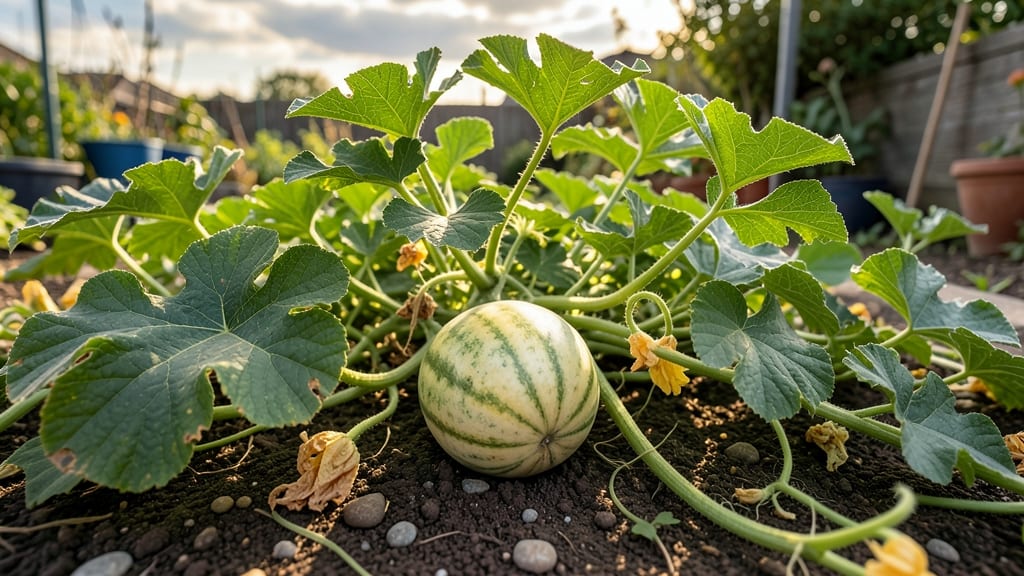
Watermelons need 6 to 10 hours of direct sunlight daily to grow sweet, juicy fruit 🍉 — and if you skimp on the sun, you’re basically setting your plants up for disappointment.
Picture this: you’ve planted your seeds, nurtured them through the seedlings stage, and now they’re flowering—but the melons stay small, bitter, or never even form. That’s not a seed problem or a soil issue.
It’s a sunlight problem, and it’s one of the most common mistakes gardeners make without realizing it.
Here’s the good news: getting the sunlight right isn’t complicated. It’s about understanding how much light your garden actually gets, adjusting for partial shade, and knowing when to give your vines a little extra help.
Whether you’re in a sunny Zone 6a or a spot with limited sunlight, I’ll break down exactly what your watermelons need—and how to make it work for you.
By the end, you’ll know how to spot the signs of sun deprivation, tweak your planting strategy for your specific location, and even maximize growth in shadier spots. Let’s get those vines soaking up the sun!

Watermelon sunlight requirements: the ideal 6-10 hours daily breakdown
Watermelons are sun-worshippers—they demand full sun to produce sweet, flavorful fruit. Without enough sunlight, your vines will struggle, and your melons may never ripen properly. The ideal sunlight range is 6 to 10 hours of direct light daily, but their needs shift as they grow.
Understanding these stages helps you adjust care for peak harvests.
Seedlings need gentle morning sun (3-4 hours) to avoid scorching, while mature plants thrive under unfiltered afternoon rays. In hot climates, afternoon shade can prevent heat stress, but morning sun is non-negotiable.
Let’s break down exactly how much light watermelons need at each growth phase—and how to measure sunlight in your garden.
🌱 Did You Know? Watermelons grown with less than 6 hours of sun often develop bitter, undersized fruit because their natural sugars can’t fully develop without photosynthesis.
To measure sunlight accurately, use a sunlight tracker or observe your garden for a week. Note when shadows fall on your planting area—watermelons need unobstructed light for at least 6 hours daily.
In northern climates, south-facing beds get the most sun, while southern gardens may need afternoon shade to prevent wilting.
High-heat climates (like USDA Zones 9-11) require extra care. Watermelons can overheat in 100°F+ temps, so provide drip irrigation and shade cloth during peak afternoon hours. Even with these adjustments, morning sun remains essential for photosynthesis.
If your garden only gets partial shade, opt for dwarf varieties like 'Tiny Tim' or 'Sugar Baby,' which tolerate 4-6 hours of sun. These won’t produce large melons, but they’ll still yield small, edible fruit. For larger harvests, consider container growing near a sunny window or balcony.
Pro tip: Reflective mulch (like white plastic or aluminum foil) can boost sunlight by 20% by bouncing extra light onto vines. This is especially useful in shady gardens or urban spaces with limited sun exposure.
🌞 Actionable Tip: Plant watermelons near tall plants like corn or sunflowers to create natural shade during the hottest afternoon hours while still allowing morning sun to reach the vines.
Signs your watermelon isn’t getting enough sun (and how to fix it)
If your watermelon vines look weak or your fruit stays small and bland, sunlight deprivation is likely the culprit. Watermelons demand full sun exposure (6-10 hours daily), and when they don’t get it, their growth suffers dramatically.
I’ve seen firsthand how pale leaves and stunted vines signal a desperate need for more light—don’t ignore these warning signs!
Even if your garden gets partial shade from trees or buildings, watermelons will compromise fruit quality to survive. The result? Bitter, seedy, and undersized melons that taste nothing like the sweet, juicy varieties you dream of harvesting. Let’s diagnose the problem and fix it before your season ends.
Watermelons need 6-10 hours of direct sunlight daily—any less and you’ll see:
- Pale yellow leaves (chlorosis)
- Leggy, weak vines (etiolation)
- Small, bitter fruit (poor sugar development)
- Fewer flowers (reduced pollination)
🌱 Fix it fast: Move plants to sunnier spots, prune nearby shade sources, or use reflective mulch.
Start by checking your garden’s sunlight map. Use a sunlight tracker app or observe your space for a week—mark where shadows fall at different times. If your watermelons sit in morning shade or afternoon shade, their growth will suffer.
Southern climates need afternoon shade protection, while northern gardens often lack morning sun.
For shady gardens, try companion planting with sun-loving plants like corn or okra to create microclimates. Alternatively, use reflective mulch (like aluminum foil) to bounce extra light onto vines. I’ve had success with black plastic mulch too—it warms the soil and encourages faster vine growth in cooler areas.
If your watermelons are already struggling, trellising can help. Train vines upward to capture more sunlight, especially in small spaces. Just ensure your trellis is sturdy—watermelon vines can weigh 50+ pounds when fully loaded!
For northern climates, extend the season with row covers or cold frames to give plants extra growing time.
Finally, choose the right variety for your light conditions. Dwarf varieties like ‘Sugar Baby’ tolerate partial shade better than standard types. And always plant in well-draining, fertile soil—even with perfect sunlight, poor soil will limit growth. Amend with compost before planting for best results.