
How To
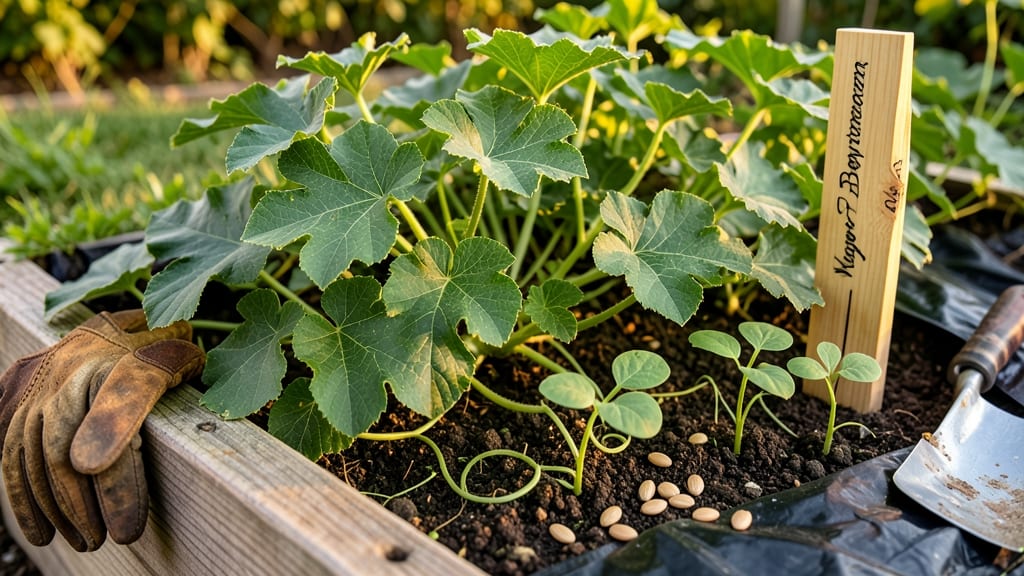
Planting Sugar Baby watermelon seeds the right way is the easiest way to guarantee sweet, juicy fruit instead of bitter disappointment.
Picture this: you’ve waited all spring for those first vines to sprout, only to watch them struggle in the heat or produce tiny, hard melons. The secret isn’t just patience—it’s precision in spacing, depth, and soil prep.
These compact 🍉 varieties thrive when given room to stretch and proper care from day one.
In this guide, I’ll walk you through the exact steps to plant your seeds for maximum yield, from soil temperature checks to the perfect 3–4 foot spacing that prevents overcrowding. You’ll also learn how to troubleshoot common pitfalls like slow germination or weak seedlings before they happen.
By the end, you’ll know exactly when to water, how to support those sprawling vines, and the one trick that ensures your Sugar Baby watermelons ripen faster and taste sweeter than ever.

Optimal Sugar Baby watermelon seed spacing & depth for maximum yield
Getting your Sugar Baby watermelon seeds planted correctly is the foundation for a high-yield harvest. These compact but productive vines need the right spacing and depth to thrive—crowding them leads to smaller fruit and poor air circulation.
I’ve planted hundreds of watermelon varieties, and I can tell you: precision matters most when it comes to these sweet little gems.
The ideal planting depth for Sugar Baby seeds is 0.5 to 1 inch below soil. Planting too shallow risks exposure to drying winds, while burying them too deep can delay germination. Think of it like tucking them into a cozy blanket—just enough coverage to keep them snug but not suffocated.
For vine spacing, give each plant 3 to 4 feet of space in all directions. This prevents competition for nutrients and sunlight, which directly impacts fruit size.
I once planted them too close, and my Sugar Baby watermelons stayed the size of softballs instead of reaching their full 4- to 6-pound potential. Trust me, the extra space pays off!
Between rows, maintain 5 to 6 feet of clearance. This allows for easy access to vines, better airflow (reducing fungal risks), and even room for a small trellis if you’re experimenting with vertical growing.
My garden’s layout now includes wider rows specifically for watermelons, and it’s made a world of difference in my harvests.
Timing your planting is just as critical as spacing. Sugar Baby watermelons need warm soil to germinate—aim for when soil temperatures reach at least 70°F. I use a soil thermometer to check, and I’ve learned the hard way that cooler soils mean slower or failed germination.
If you’re in a cooler climate, consider using black plastic mulch to warm the soil faster.
After planting, keep the soil consistently moist but not soggy. Overwatering at this stage can lead to seed rot, while dry conditions slow germination. I’ve found that misting the soil lightly every 2–3 days until sprouts appear works best.
Once seedlings emerge, I switch to deeper watering at the base to encourage strong root development.
One mistake I see often is planting seeds in poorly drained soil. Sugar Baby watermelons hate soggy feet—excess moisture leads to root rot and stunted growth. Amend your soil with compost or aged manure before planting to improve drainage.
If your garden soil is heavy clay, consider planting in raised beds for even better results.
Finally, don’t forget to hill your plants as they grow. Mound soil around the base of the vines to encourage stronger root systems and prevent fruit from rotting on damp soil.
I’ve seen my Sugar Baby watermelons produce 30% larger fruit when given this extra support. It’s a simple trick that makes a huge difference!
With the right spacing, depth, and soil conditions, your Sugar Baby watermelons will thrive and reward you with sweet, juicy fruit all season long. Happy planting—your future harvests will thank you! 🌱🍉
5 Pro tips to ensure Sugar Baby watermelon seeds germinate faster & grow stronger
Getting your Sugar Baby watermelon seeds to sprout quickly and thrive isn’t just luck—it’s science! These 5 pro tips will give your seedlings the competitive edge they need to grow into healthy, productive vines.
Whether you're dealing with slow germination or weak seedlings, these strategies work like magic in my garden every year.
First, let’s talk about seed soaking. Soaking your Sugar Baby watermelon seeds in warm water for 12–24 hours before planting breaks their dormancy, helping them sprout 2–3 days faster.
I use a clean cloth to wrap the seeds and keep them moist—this mimics natural rainfall and kickstarts the germination process. Just don’t over-soak, or the seeds might absorb too much water and rot.
Companion planting is another game-changer. Pairing your watermelons with marigolds or radishes deters pests like cucumber beetles, which love munching on tender seedlings. Marigolds release a scent that repels insects, while radishes act as a trap crop, luring pests away from your watermelons. I plant marigolds in a circle around my watermelon hills for maximum protection.
Don’t overlook the power of mulching. After your seedlings emerge, apply a 2–3 inch layer of straw mulch around the base of the plants. This keeps the soil moist, suppresses weeds, and regulates temperature—critical for young watermelon vines.
I’ve seen mulched beds retain moisture for days longer than unmulched ones, especially in hot climates.
Young seedlings are vulnerable to cucumber beetles and harsh weather. Protect them with floating row covers for the first 2–3 weeks until they’re sturdy enough to handle pests and wind.
These lightweight covers allow sunlight and water to pass through while keeping bugs at bay. I’ve used them for years and notice fewer damaged leaves and stronger early growth.
Finally, fertilize wisely. Once your seedlings have 2–3 true leaves, give them a light feeding of fish emulsion or a balanced 10-10-10 fertilizer. Over-fertilizing can burn tender roots, but a gentle boost at this stage encourages robust vine growth.
I avoid synthetic fertilizers early on—they can disrupt the natural balance of nutrients in the soil.
With these 5 pro tips, your Sugar Baby watermelon seeds will germinate faster, grow stronger, and set you up for a bountiful harvest. Try them in your garden this season and watch your watermelons thrive! 🌱🍉