
Watering
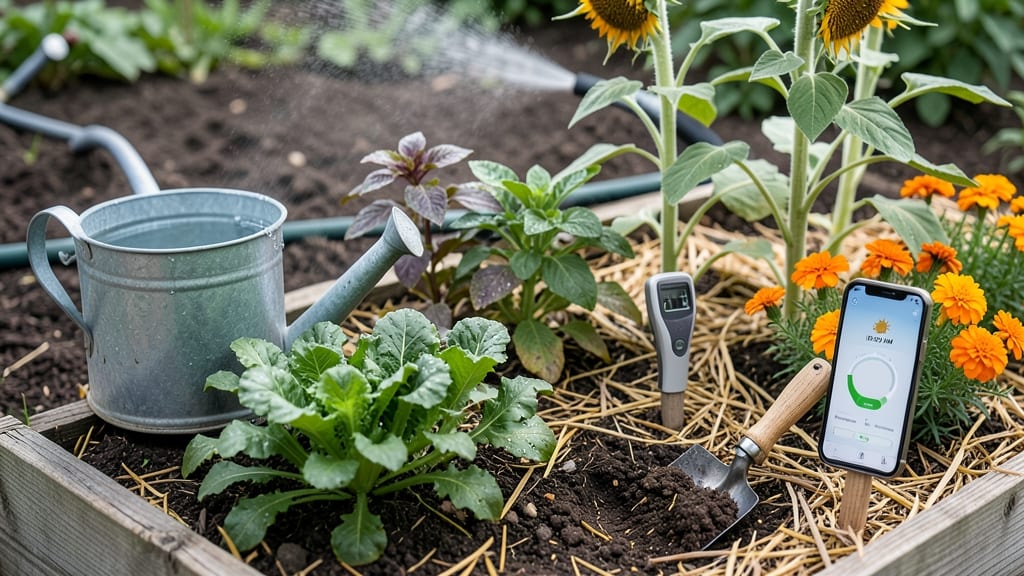
Watering your garden the right amount keeps plants thriving without wasting a drop—here’s the exact science-backed approach to avoid guesswork.
Overwatering or underwatering your garden can turn your green oasis into a sad, wilted mess—yet most gardeners guess rather than follow science-backed rules. Discover the exact watering schedule your plants actually need to thrive without waste.
From leafy greens that love moisture to succulents that hate it, the key is understanding soil type, weather, and plant needs. A deep soak once a week beats daily shallow sprinkles every time.
Below, I break down plant-specific rules, how to read soil moisture, and smart hacks to save water—so you never over- or underdo it again.
Watering guidelines by plant type: how deep and how often
Watering your garden isn’t a one-size-fits-all task—each plant type demands a unique approach to water depth and frequency. Overwatering suffocates roots, while underwatering stresses plants, but science reveals the ideal moisture balance for thriving gardens.
Let’s dive into the specifics for vegetables, flowers, herbs, and shrubs, plus how to check soil moisture like a pro.
Most gardeners water based on guesswork, but root depth and plant needs vary wildly. For example, tomatoes need deep, infrequent watering, while basil thrives with shallow, frequent moisture.
The key is understanding how much water to deliver and when to stop—before roots drown or dry out. Let’s break it down by category.
🔍 Soil moisture checks are your best friend. Stick your finger 2 inches deep—if it feels dry, water; if damp, wait. For container plants, check the top 1 inch of soil. This simple test prevents overwatering while ensuring roots get the hydration they crave.
| Plant Type | Water Depth | Frequency | Notes |
|---|---|---|---|
| Vegetables (tomatoes, peppers, cucumbers) | 12-18 inches deep | Every 2-3 days (summer) | Deep watering encourages strong roots |
| Leafy Greens (lettuce, spinach, kale) | 4-6 inches deep | Daily (shallow watering) | Keep soil consistently moist |
| Herbs (basil, parsley, cilantro) | 3-4 inches deep | Every 1-2 days | Avoid soggy soil; herbs hate wet feet |
| Flowers (roses, petunias, marigolds) | 6-8 inches deep | Every 3-4 days | Deep watering boosts bloom production |
| Shrubs (hydrangeas, boxwoods, lavender) | 8-12 inches deep | Weekly (adjust for drought) | Established shrubs need less frequent water |
| Drought-Tolerant (succulents, lavender, sedum) | 2-3 inches deep | Every 10-14 days | Let soil dry completely between waterings |
For vegetables like tomatoes and peppers, deep watering—12-18 inches down—encourages roots to grow deeper, making plants more resilient during dry spells.
Water in the early morning to reduce evaporation and fungal risks. Leafy greens, on the other hand, prefer shallow, frequent watering to keep their tender leaves hydrated without soggy soil.
Herbs are finicky—they despise soggy conditions, so water only when the top 1 inch of soil feels dry. Basil, for instance, wilts dramatically when thirsty but recovers quickly with a drink. Meanwhile, flow
How to adjust watering for weather, soil, and seasonal changes
Your garden isn't a one-size-fits-all watering project—soil type, current weather, and seasonal shifts dramatically change how much water your plants truly need. What works for sandy soil in summer fails miserably for clay soil in spring.
Let's decode the science behind adjusting your watering routine so you're never drowning roots or leaving them parched.
Start by checking your soil moisture before grabbing the hose. Stick your finger 1-2 inches deep—if it feels dry, it's time to water. But if it's damp, hold off.
This simple test saves gallons of wasted water while keeping roots happy. The key? Consistency matters more than quantity—plants prefer steady moisture over sporadic deep soaks.
Now let's tackle the variables that throw off even the best-laid watering plans:
- 1 Heatwaves demand daily watering in the early morning (6-9 AM) to prevent evaporation. Increase by 30-50% compared to normal summer watering—mulch heavily to retain moisture.
- 2 Sandy soil drains like a sieve—water twice as often but with shorter, frequent sessions. Aim for 10-15 minutes every 2-3 days rather than one long soak.
- 3 Clay soil holds water like a sponge—reduce frequency to every 5-7 days and water deeply (1 inch per week). Test with your finger: if the top 3 inches stay soggy, skip watering.
- 4 Rainy seasons mean cutting back by 50%. Check soil after storms—if it's already saturated, pause watering. Use a rain gauge to track precipitation and adjust accordingly.
- 5 Winter dormancy requires minimal watering—reduce to bi-weekly and focus on root zones (avoid wetting foliage). Evergreens need slightly more, while perennials can nearly dry out.
- 6 Plant signals are your best guide: wilting leaves = underwatering; yellowing leaves = overwatering. For succulents, wrinkled stems mean thirst; for tomatoes, drooping midday is normal—check soil, not the plant!
Pro tip: Group plants by water needs to simplify adjustments. For example, pair basil (needs frequent water) with rosemary (drought-tolerant) in the same bed—then water the whole section together. This "hydrozone" approach cuts your workload by 40% while keeping everyone happy.
Remember, morning watering is always best—it reduces evaporation and fungal risks. And if you're unsure? Less is more—most gardeners overwater by 30-50% without realizing it. Your plants will thank you with lush, vibrant growth instead of sad, stressed leaves.