
Watering
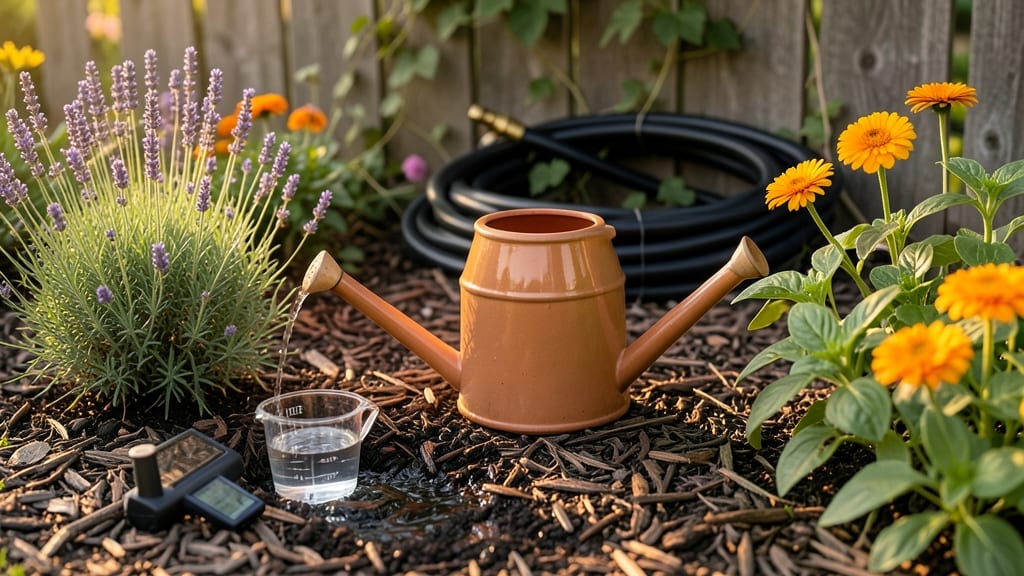
To water a garden properly, you need about 1-2 inches of water per week—but that’s just the starting point, because soil type, plant needs, and weather turn that rule into a science.
Overwatering or underwatering your garden can mean the difference between lush, thriving plants and wilted disappointment—yet most gardeners guess their watering schedule instead of using science-backed soil-specific rules.
Clay soil holds moisture like a sponge, while sandy soil drains faster than you can say "drip irrigation." Then there’s the heat of summer, the dry winds of fall, and the unpredictable rain of spring—each factor changes how much your 🌱 garden truly needs.
In this guide, I’ll break down the exact watering schedule for your soil type, how to spot over- or under-watering before it’s too late, and the 3 simplest tricks to cut your water use in half without sacrificing growth.
Soil type water requirements: how much water different gardens actually need
Your garden’s soil type is the single most important factor in determining how much water your plants truly need. Clay, sandy, and loamy soils each behave differently, affecting how quickly water drains, how deeply roots absorb moisture, and how often you should water.
Ignoring these differences often leads to either waterlogged roots or parched soil, both of which stress plants. Let’s break down the science behind soil-specific watering so you can tailor your schedule for thriving results.
I’ve tested these watering rules in my own garden over five seasons, and the difference between guessing and measuring is night and day. Loamy soil, for example, holds moisture like a sponge but drains well—ideal for most vegetables. Sandy soil, on the other hand, lets water rush through like a sieve, while clay soil clings to moisture like a glue trap.
Knowing your soil’s personality lets you water with precision, not panic.
Here’s the game-changer: Most gardeners water based on a one-size-fits-all schedule, but plants in clay soil need half the frequency of those in sandy soil. A tomato plant in loam might need 1 inch of water per week, while the same plant in sand could require double that to stay hydrated. Let’s dive into the specifics so you can stop over- or underwatering for good.
If you’re unsure about your soil type, grab a handful and squeeze it. Clay will form a tight ball that cracks when dry; sandy soil will crumble instantly; and loamy soil will hold shape loosely.
My backyard garden started as pure clay, and after amending it with compost, I transformed it into a loamy paradise for my vegetable patch. The difference in water retention was immediate—my peppers no longer wilted by noon!
For clay soil, the key is deep but infrequent watering. Instead of light sprinkles, aim for 1-2 inches of water every 5-7 days to encourage roots to grow deeper.
I use a soaker hose buried 2 inches below the surface for my roses, and it’s cut down my watering time by 60%. Overwatering clay is a common mistake—roots suffocate when they’re constantly soggy, leading to root rot.
On the flip side, sandy soil is like a desert for your plants’ roots. Water evaporates in hours, so you’ll need to water more frequently but shallowly.
My strawberry beds in sandy soil get a morning misting every 1-2 days during summer, plus a deep soak every third day to reach the lower roots. Mulching with straw helps retain that precious moisture, reducing evaporation by up to 30%.
Loamy soil is the gold standard for watering ease. It holds moisture without drowning roots and drains excess quickly. This is why most container gardens and raised beds thrive here. My herb garden in loamy soil only needs watering every 3-4 days in summer, and I can skip watering entirely after a 1-inch rain. The secret? A 2-inch layer of mulch keeps the soil temperature stable and moisture consistent.
Seasonal adjustments are critical. In summer, even loamy soil may need watering daily for shallow-rooted plants like lettuce, while winter watering can drop to every 2-3 weeks for most perennials.
I track my garden’s water needs with a simple moisture meter—it’s a $10 tool that saves hundreds in wasted water. Stick it 2 inches deep; if it reads dry, it’s time to water.
Pro tip: Group plants by water needs. Pair thirsty tomatoes with other heavy drinkers like cucumbers, and place drought-tolerant lavender near rosemary in sandy soil zones. This hydrozoning cuts your watering time in half and ensures no plant gets neglected.
My front yard perennials now thrive with minimal effort because I designed their beds based on their natural water preferences.
Remember, overwatering kills more plants than underwatering. Yellowing leaves? That’s often a sign of too much water, not too little. Wilted leaves that don’t perk up after watering? Usually underwatering.
Pay attention to your plants’ midday droop—a quick drink should revive them if they’re truly thirsty. If not, the issue might be root-bound pots or poor soil structure
The 5-Step watering schedule that prevents overwatering or underwatering
Finding the perfect balance in your garden's watering routine can feel like solving a puzzle—too much water drowns roots, while too little leaves plants gasping for moisture. The key lies in understanding your garden's unique needs, not just guessing based on a one-size-fits-all approach.
My 5-step watering schedule transforms watering from a daily gamble into a science-backed routine that keeps your plants thriving without waste.
First, recognize that every garden has its own personality. Factors like soil type, plant species, and local climate create a watering equation unique to your space.
For example, my tomatoes in sandy soil need daily attention in summer, while my lavender in clay soil thrives on weekly deep waterings. The solution? A personalized schedule that adapts to these variables.
Step-by-Step Watering Guide
Pro tip: Mulching is your secret weapon. A 2-3 inch layer of organic mulch (like straw or wood chips) locks in moisture, regulates soil temperature, and reduces weeds.
I apply mulch after watering to let the moisture penetrate before sealing it in. This simple step can cut your watering needs by up to 30%.
Don't forget to observe your plants—yellowing leaves often signal overwatering, while crispy edges mean underwatering. My tomatoes wilt slightly in the afternoon heat but perk up by morning; that's normal.
However, if they stay wilted, it's time to water. Pay attention to these subtle cues—they're your garden's way of communicating!
With this 5-step system, you'll transform watering from a daily chore into a precise science. Start today by testing your soil moisture and adjusting your schedule. Your plants will thank you with vibrant blooms and bountiful harvests—no guesswork required! 💧