
Light Requirements
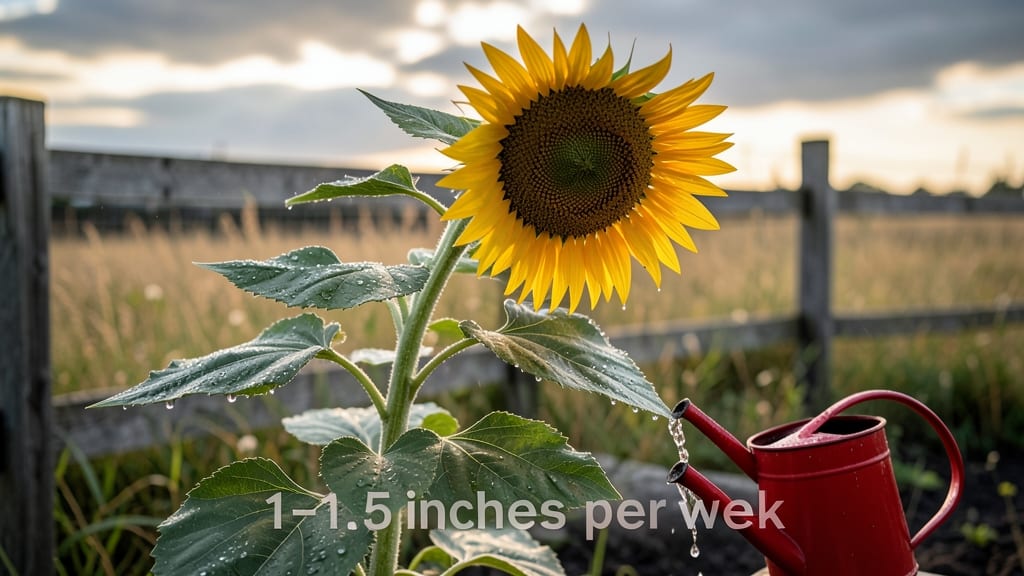
To water sunflowers effectively, give them 1–2 inches of water per week—deep soaks that encourage roots to dive deep for stability and height.
Picture this: your sunflowers 🌻 reach for the sky, but their stems wobble like jelly. That’s the difference between a fast-growing giant and a floppy disappointment. Too much water drowns roots; too little stunts growth. The key? Consistency and timing.
Young seedlings need frequent, shallow watering to keep soil moist, while mature plants crave deep, infrequent drinks—think of it like training for a marathon, not sprinting. Adjust for your climate: sandy soil drains fast, while clay holds moisture longer.
Below, I’ll break down the exact schedule by growth stage and how to spot when you’re over- or underwatering.
By the end, you’ll know not just how much to water, but when and why—so your sunflowers shoot up taller than a basketball hoop in record time.
Sunflower watering schedule by growth stage: deep soak guidelines for maximum height
Sunflowers are thirsty giants, but their watering needs change dramatically as they grow—from delicate sprouts to towering stalks. Consistent moisture during early stages fuels rapid growth, while deep soaks later help roots anchor their massive stature. The key? Understanding their stage-specific thirst and adjusting for your soil type.
Clay soil holds moisture longer, while sandy soil drains quickly—both require different approaches. Overwatering suffocates roots, while underwatering stunts growth, so precision matters.
Below, I break down the exact watering measurements and schedules for each growth phase, plus soil-specific tweaks to ensure your sunflowers reach their full 10+ foot potential.
| Growth Stage | Watering Frequency | Depth per Session (inches) | Clay Soil Adjustment | Sandy Soil Adjustment |
|---|---|---|---|---|
| Germination (Days 1-7) | Daily (keep soil moist) | 0.5 inches | Reduce to every other day | Water twice daily |
| Seedling (Weeks 2-4) | Every 2-3 days | 1-1.5 inches | Every 4 days | Daily shallow water |
| Vegetative (Weeks 5-8) | Every 3-4 days | 2 inches | Every 5 days | Every 2 days |
| Flowering (Weeks 9-12) | Every 4-5 days | 2.5-3 inches | Every 6 days | Every 3 days |
| Maturity (Weeks 13+) | Weekly (reduce as plant dries) | 1-2 inches | Every 10 days | Every 5 days |
During the germination phase, focus on maintaining consistent soil moisture—never let the top inch dry out.
Use a spray bottle or gentle watering can to avoid displacing seeds. Clay soil retains moisture well, so reduce frequency to prevent root rot, while sandy soil drains fast, requiring more frequent shallow watering.
Once seedlings emerge (weeks 2-4), shift to deep soaks every 2-3 days. Aim for 1-1.5 inches of water per session, delivered at the soil base to encourage deep root growth. Morning watering is critical here—it gives foliage time to dry before evening, reducing fungal risks like powdery mildew.
As sunflowers enter their vegetative growth phase (weeks 5-8), their thirst increases dramatically. Double the depth to 2 inches per watering, spaced every 3-4 days. This is when their towering stems develop, and consistent moisture prevents splitting. Mulch with straw to retain soil moisture and regulate temperature.
The flowering stage (weeks 9-12) demands the most water—2.5-3 inches per session—but reduce frequency to every 4-5 days.
Overwatering now can cause buds to drop. Check soil 2 inches down before watering: if dry, it’s time; if moist, wait. Dwarf varieties need slightly less, while giant cultivars may require up to 4 inches per week.
By maturity (weeks 13+), sunflowers become drought-tolerant. Reduce watering to weekly deep soaks of 1-2 inches, or less in clay soil. Signs of overwatering like yellowing leaves or mold mean you’re pushing it—adjust immediately. For container-grown sunflowers, increase frequency to every 2-3 days, as pots dry out faster.
Pro tip: Use a moisture meter or the "squeeze test"—grab a handful of soil. If it crumbles easily, water; if it stays clumped, wait. Rainwater is ideal, as it’s softer than tap water and lacks chlorine that can stress roots.
With this precise schedule, your sunflowers will reward you with sun-drenched blooms and record-breaking height.
Signs you’re overwatering or underwatering sunflowers (and how to Fix it)
Sunflowers send clear signals when their water needs aren’t met. Yellowing leaves, mushy stems, or drooping blooms often mean you’re overdoing it, while crispy edges or wilted foliage scream for hydration.
The key is balancing moisture—too much suffocates roots, while too little stunts growth. Let’s decode these clues so your sunflowers stay vibrant and towering.
First, check the soil moisture by sticking your finger 2 inches deep. If it’s damp, hold off on watering. Sunflowers hate soggy soil, which leads to root rot and fungal diseases. On the flip side, if the soil feels dry as a bone, it’s time to water deeply.
Consistency is everything—sunflowers thrive with 1–2 inches of water per week, adjusted for your climate.
Overwatering signs: Dark, mushy stems; yellow leaves with brown edges; and a musty smell at the base. These are red flags for root rot, which can kill your plant in days. Underwatering signs: Crispy leaf edges, wilting even when soil is damp, and a dull, gray-green hue. Both extremes stress your sunflowers, so act fast to save them.
How Much to Water Sunflowers: Quick Fixes
Overwatering
- ✅ Fix: Let soil dry between waterings
- ✅ Fix: Improve drainage with perlite
- ✅ Fix: Water only in the morning
Underwatering
- ✅ Fix: Deep soak 1–2 times per week
- ✅ Fix: Mulch to retain moisture
- ✅ Fix: Water at soil level, not leaves
To fix overwatering, reduce frequency and improve drainage. Amend heavy clay soil with compost or sand to help water drain faster. For underwatering, switch to deep, infrequent watering—aim for the root zone (6–8 inches deep) rather than shallow sprinkles.
Mulching with straw or wood chips locks in moisture and keeps roots cool, reducing stress.
Watch for pests like aphids, which thrive in overwatered plants. If you spot sticky residue on leaves, blast them off with water or use neem oil. For underwatered sunflowers, wilting leaves may recover within hours of proper hydration.
But if stems turn brown and brittle, the damage is permanent—act fast to save younger plants.
Adjust your watering routine based on weather and soil type. Sandy soil drains quickly, so water more often, while clay holds moisture longer. In hot, dry summers, sunflowers may need daily watering until established.
Always water at the base of the plant to avoid fungal diseases on leaves. With the right balance, your sunflowers will reward you with bold blooms and towering stems.
Remember, sunflowers are resilient once they’re past the seedling stage. Focus on consistent moisture, not perfection. Even a few missed waterings won’t kill them—just give them a drink when the soil feels dry. Your efforts will pay off in sun-drenched blooms that brighten your garden all season. 🌻