
How To
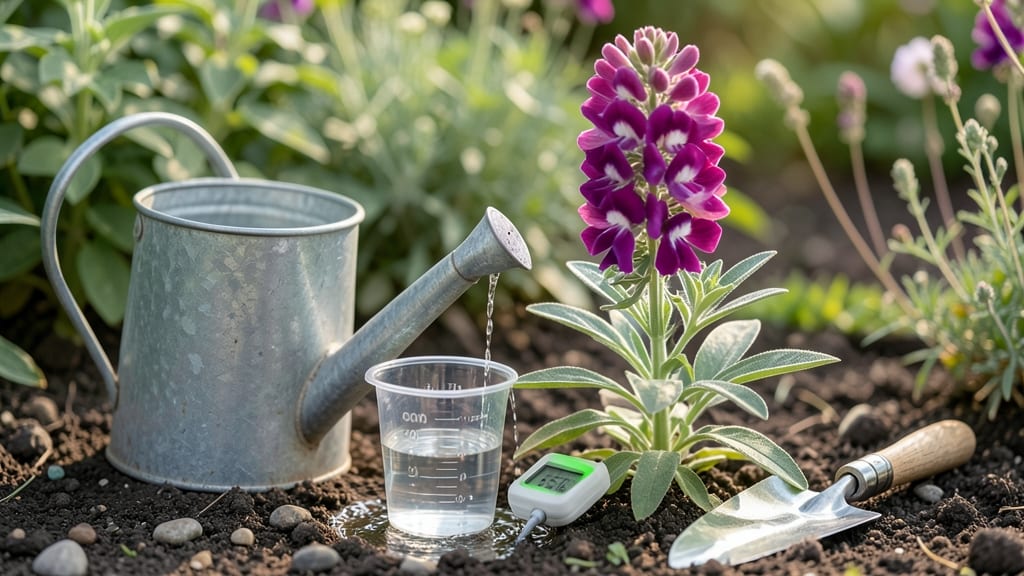
Snapdragons need about 1 to 1.5 inches of water per week once established, but the real trick is timing and soil moisture—too much or too little can turn those vibrant 🌸 blooms into sad, wilted stems.
Picture this: you’ve just planted your snapdragon seeds in early spring, and the soil feels like a damp sponge. That’s the sweet spot for germination, but once those seedlings pop up, overwatering becomes the silent killer. Too much moisture suffocates roots, while too little leaves them grasping for survival.
Here’s the game-changer: young snapdragons (those first few weeks) need light, frequent misting—think every 2 to 3 days—while mature plants in full sun can handle deeper watering every 5 to 7 days. Container-grown snapdragons dry out faster, so check soil moisture before watering again.
Below, I’ll break down the exact schedule by growth stage, how to tell if your snapdragons are thirsty or drowning, and how to adjust for your climate—because a snapdragon in a humid summer behaves very differently than one basking in dry heat.
Snapdragon watering schedule by growth stage: seedlings to blooming
Snapdragons (Antirrhinum) thrive with the right balance of moisture, but their water needs change dramatically from seedlings to full bloom. Overwatering can drown delicate roots, while underwatering causes buds to drop.
The key is adapting your watering schedule to match each growth stage—here’s exactly how to do it.
When snapdragons are just germinating, the soil must stay consistently moist but never soggy. A light misting with a spray bottle keeps seeds from drying out, while a tray of pebbles with shallow water (not touching seeds) prevents bottom rot.
Once sprouts appear, switch to gentle watering at the soil line to avoid disturbing tender stems.
During the seedling stage (first 4–6 weeks), snapdragons need light daily watering but only enough to keep the top inch of soil damp. Use a small watering can with a fine rose attachment to avoid blasting tiny stems.
Containers dry out faster, so check soil moisture twice daily in hot weather—yellowing leaves signal overwatering, while drooping foliage means thirst.
Once snapdragons enter the vegetative stage (4–8 weeks after planting), they crave 1–1.5 inches of water per week, delivered deeply at the root zone. Split watering into two sessions: morning and late afternoon.
This encourages strong root development and prevents fungal diseases like powdery mildew, which thrives in damp foliage. Mulch with straw to retain moisture and suppress weeds.
When buds form and flowers open, your snapdragons are in the blooming stage, where consistent moisture is critical. Water every 2–3 days in heatwaves, aiming for 1–2 cups per mature plant.
Avoid overhead watering—wet flowers can attract pests and cause buds to rot. Instead, use a drip irrigation system or water at the base with a soaker hose.
To test soil moisture, insert your finger 1 inch deep. If it feels dry, it’s time to water. For container-grown snapdragons, lift the pot—if it’s light, add water. In-ground plants may need less frequent watering due to natural soil moisture retention, but containers require daily checks during summer.
Always water early in the day to allow foliage to dry before evening.
Seasonal adjustments are key: in spring and fall, snapdragons need moderate watering (every 3–4 days), while summer heat demands daily deep watering. In drought-prone areas, mulch heavily and water at dawn to reduce evaporation.
Overwintering snapdragons (in zones 7+) need minimal water—reduce to once weekly and only if soil feels bone-dry.
Watch for visual cues like wilting leaves or crispy edges, which signal underwatering. Conversely, yellow leaves or mushy stems mean overwatering. Adjust your schedule based on these signs, and always prioritize well-draining soil to prevent root rot.
With this stage-by-stage approach, your snapdragons will reward you with bold blooms all season. 🌸
Common snapdragon watering mistakes and how to fix them
Even with the right amount of sunlight and well-draining soil, snapdragons often suffer from watering mistakes that lead to yellow leaves or wilted buds. The biggest culprits? Overwatering and underwatering, both of which can stress your plants and stunt their growth.
Let’s break down the most common errors and how to correct them before your snapdragons suffer.
Yellowing leaves are often the first sign of trouble, but they don’t always mean the same thing. Lower leaves turning yellow could signal overwatering or poor drainage, while crispy edges on upper leaves usually mean underwatering.
Wilted buds or drooping stems? That’s often a cry for help—either too much water or not enough. The key is learning how to read your snapdragon’s soil moisture and leaf condition to adjust before it’s too late.
⚠️ How Much Water Do Snapdragons Need?
Snapdragons need 1-1.5 inches of water per week during active growth (spring-fall), but this varies by climate and container size. Check soil moisture by sticking your finger 1-2 inches deep—if it’s dry, water deeply. Avoid soggy soil: snapdragons hate "wet feet" and will rot if overwatered. In pots, water every 2-3 days; in ground beds, every 5-7 days. Adjust for heat or drought!
One of the most frustrating mistakes is watering on a schedule without checking the soil first. Snapdragons in containers dry out faster than those in garden beds, so rigid schedules often lead to root rot or wilting.
Instead, use the finger test: stick your index finger 1-2 inches into the soil. If it feels dry at that depth, it’s time to water. For well-established plants, this usually means watering every 3-5 days, but adjust based on your local climate and soil type.
Poor drainage is another silent killer of snapdragons. If your soil stays waterlogged for more than a day, roots suffocate and turn black—a sure sign of root rot.
To fix this, amend your soil with compost or perlite to improve aeration, or plant in raised beds if your native soil is heavy clay. Terracotta pots with drainage holes are also a great choice for container growers, as they wick away excess moisture faster than plastic.
Seasonal changes throw off even the most experienced gardeners. During summer heat, snapdragons may need watering every 1-2 days, while in winter dormancy, they can go 2-3 weeks without water.
Pay attention to bud formation and leaf turgor: if buds shrivel or leaves droop in the heat, increase watering slightly. Conversely, if your snapdragons are overwintering, reduce watering to prevent fungal diseases like powdery mildew.
Finally, avoid the temptation to water at night. Wet foliage overnight creates the perfect conditions for fungal infections like powdery mildew or botrytis. Always water in the early morning so leaves have time to dry before evening.
If you notice white powdery spots on leaves, reduce overhead watering and consider a fungicide spray made from baking soda or neem oil.
With these fixes, your snapdragons will stay lush and vibrant all season long. The key is observing, adjusting, and responding to your plants’ unique needs—no two gardens are exactly alike! 🌸