
How To
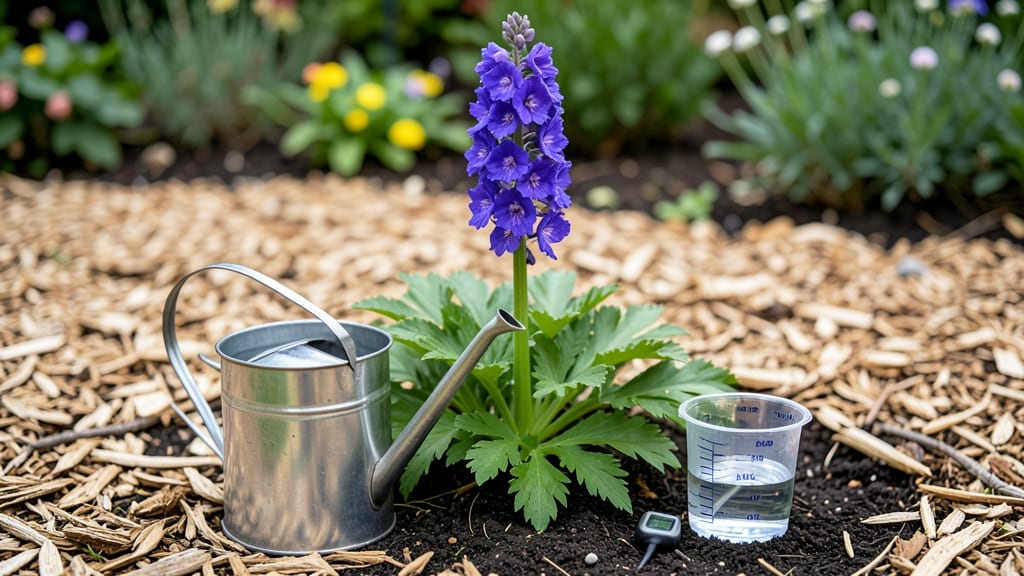
How much water does delphinium need to fuel those towering blooms? If you’ve ever watched your delphiniums wilt by afternoon—or worse, rot from overwatering—you know guessing the right amount can turn your garden into a soggy disappointment. Picture this: weeks of anticipation for those 🌸 spikes, only to see them droop by midday. Too much water drowns the roots, while too little leaves your delphiniums struggling for survival—neither scenario ends with the showstopper blooms you’re after.
Here’s the secret: a simple soil-dry test that tells you exactly when to water, whether you’re in Zone 6a or beyond. No more second-guessing, just science-backed moisture checks that keep your delphiniums thriving from spring planting through summer blooms.
Below, I’ll walk you through the perfect watering schedule by season, how to spot over- or under-watering before it’s too late, and the one tool you already have in your pocket to check soil moisture like a pro.
Delphinium watering schedule by season: the perfect balance for healthy growth
Delphiniums thrive when their watering routine matches the season, but striking the right balance can feel like solving a puzzle. These tall, moisture-loving perennials need consistent hydration, yet soggy roots spell disaster.
The key lies in understanding seasonal soil moisture targets—whether you're dealing with clay soil that holds water or sandy soil that drains too fast. Let’s break it down by season, so your delphiniums grow tall and strong, not leggy or wilted.
Spring is when delphiniums wake up from dormancy, and their roots need gentle, frequent watering to establish. Aim for 1-1.5 inches of water per week, delivered deeply to encourage root growth.
Summer demands the most attention—your plants will drink up to 2 inches of water weekly, especially in full sun conditions. Fall slows things down, but don’t skip watering entirely; 1 inch per week keeps roots happy until dormancy.
Winter is all about minimal moisture—just enough to prevent desiccation.
Here’s the critical part: soil type changes everything. Clay soil retains moisture longer, so you’ll water 30% less frequently than in sandy soil, which drains like a sieve. The soil-dry test (more on this later) is your best friend—it tells you exactly when to water, not when to guess.
Skip this step, and you risk root rot from overwatering or wilting from thirst. Both are easy to fix if caught early, but prevention is simpler.
| Season | Watering Frequency | Soil Moisture Target | Clay Soil Adjustment | Sandy Soil Adjustment |
|---|---|---|---|---|
| Spring | Every 3-4 days | 1-1.5 inches/week | Water 50% less | Water 30% more |
| Summer | Daily or every other day | 2 inches/week | Water 40% less | Water daily |
| Fall | Every 5-7 days | 1 inch/week | Water 30% less | Water every 4-5 days |
| Winter | Bi-weekly | 0.5 inch/month | Skip unless drought | Water lightly monthly |
Note: Adjust for rainfall—skip watering if you’ve had 1 inch of rain in 7 days.
The soil-dry test is your secret weapon. Stick your finger 2-3 inches deep into the soil—this is where delphinium roots thrive. If it feels dry and crumbly, it’s time to water. If it’s damp but not soggy, wait another day.
This method beats guessing and saves your plants from stress or rot. Pro tip: Water in the early morning to reduce evaporation and fungal risks. Avoid evening watering, as damp leaves overnight invite powdery mildew.
Summer is the make-or-break season for delphiniums. With intense heat and full sun, they can lose moisture faster than you think. Mulch with 2-3 inches of organic matter (straw or shredded leaves) to lock in moisture and keep roots cool.
In extreme heat waves, increase watering to every other day, but always check soil moisture first. Overhead watering? Skip it—water at the base to protect delicate blooms from sunburn or fungal spores.
Fall watering is often overlooked, but it’s crucial for root hardening before winter. Reduce frequency but keep soil slightly moist—this helps delphiniums store energy for next year’s growth. If your area gets frost by October, taper off watering entirely.
In mild climates, continue with light watering until December. The goal is to avoid dormant root desiccation, which weakens plants for spring.
Winter care is minimal, but don’t ignore it entirely. In drought-prone areas, give delphiniums a light drink every 3-4 weeks to prevent soil from becoming bone-dry. If you’re in a wet winter climate, skip watering—excess moisture causes rot.
Always check soil moisture before watering; frozen ground means roots aren’t active, so hold off until spring thaw. This patience pays off with healthier, more vigorous growth when spring arrives.
Adjusting for clay vs. sandy soil is simpler than you think. Clay soil? Water less frequently but deeply—it holds moisture like a sponge. Sandy soil? Water more often but lightly to prevent runoff.
Amend sandy soil with compost to improve water retention, and clay soil with perlite to boost drainage. Both tweaks create the ideal moisture balance for delphiniums. Remember, consistency is key—fluctuating moisture stresses plants more than steady hydration.
Your delphiniums will reward you with towering blooms if you nail this watering routine. Start with the soil-dry
Soil dry test for delphiniums: how to check moisture without guessing
Delphiniums thrive with consistent moisture but despise soggy roots. The key to perfect watering lies in testing soil moisture at root depth—not just the surface.
Many gardeners make the mistake of watering based on how dry the top inch feels, which can lead to underwatering or overwatering, both deadly for these tall beauties. Let’s dive into the tactile method that’ll keep your delphiniums blooming like clockwork.
Your delphinium’s roots dive 6-12 inches deep into the soil. That’s where the real story happens—surface moisture is a red herring. For example, sandy soil may feel dry at the top but still hold moisture deeper down, while clay soil might feel damp at the surface but be bone-dry below.
This is why a finger test or simple tools become your best friends in avoiding guesswork.
If your delphinium’s leaves start yellowing or wilting midday, it’s often a sign of underwatering. But here’s the catch: yellowing can also mean overwatering if the soil stays soggy for days.
To troubleshoot, check the roots—healthy roots are white or pale, while rotten ones smell foul and turn mushy. Adjust your watering based on these clues, and always water in the early morning to prevent fungal diseases.
Pro tip: Mulch heavily (2-3 inches) with straw or wood chips to retain moisture and regulate soil temperature. This reduces how often you need to test soil moisture, especially during hot summer months when delphiniums drink the most. Think of mulch as your delphinium’s personal hydration assistant!
Remember, delphiniums are thirsty but not swamp-loving. The goal is to keep the soil evenly moist, not waterlogged. With this soil-dry test method, you’ll never second-guess your watering again—just watch those towering blooms reach for the sky! 🌸