
How To
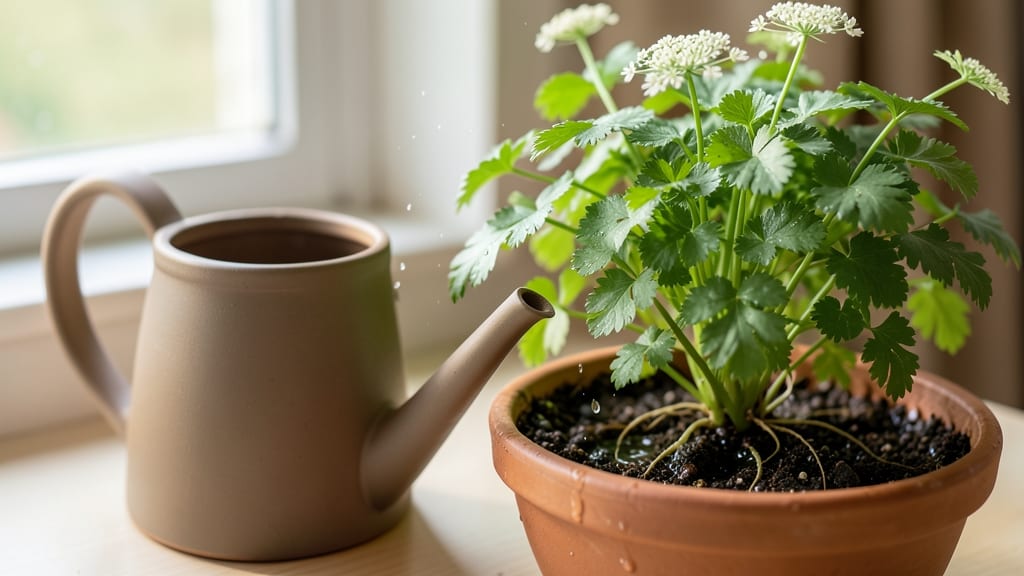
Watering cilantro the right way keeps its leaves tender and flavorful, but overdoing it sends it bolting into flower before you can harvest.
Picture this: you’ve spent weeks nurturing your cilantro 🌿, only for it to sprout white flowers and turn bitter overnight. The culprit? Too much water—or not enough. The key is consistency, not guesswork.
Young cilantro needs water every 1-2 days, while mature plants can handle every 2-3 days, but soil type and weather change the game. Learn the soil dry test to avoid both drowning and wilting your plants.
From containers to garden beds, I’ll break down the exact schedule to keep your cilantro thriving—no more wasted harvests or sad, leggy stems.
Cilantro watering schedule by soil type: when to water for optimal growth
Cilantro thrives on consistent moisture but despises soggy roots—finding that sweet spot means checking your soil type first. Sandy soil drains like a sieve, while clay holds moisture like a sponge.
Your watering schedule should adapt to match these extremes to avoid bolting or root rot. I’ve grown cilantro in both conditions, and the difference in growth is night and day.
Here’s the golden rule: water cilantro when the top 1 inch of soil feels dry. Stick your finger in—if it’s dry, it’s time. For containers, this might mean daily watering in summer, while in-ground plants may need less.
Let’s break it down by soil type so you can tailor your watering routine like a pro.
Your soil type dictates how often you water, but weather conditions are just as critical. During hot, dry spells, even loamy soil may need daily watering. I once let my cilantro suffer through a heatwave without adjusting—my harvest bolted in 3 days.
Always monitor the weather and increase frequency if temperatures rise above 85°F.
Morning watering is your best friend—it gives roots time to absorb moisture before the heat of the day. Evening watering can lead to fungal issues like powdery mildew, which I’ve seen ruin entire cilantro patches.
Aim for 6-8 AM to keep your plants happy and healthy. If you must water in the evening, do it at least 3 hours before sunset.
Young cilantro seedlings are the most delicate and need daily watering until they establish roots. Once they’re 2-3 inches tall, you can ease up slightly—but never let the soil dry out completely.
I’ve found that drip irrigation or soaker hoses work wonders for consistent moisture without disturbing the soil. Avoid overhead sprinklers, which can wash away soil and damage tender leaves.
If your cilantro starts to yellow at the edges or wilts by midday, it’s thirsty. But if the leaves turn mushy or develop black spots, you’re overdoing it. The key is consistency—cilantro hates moisture swings.
Keep a watering log for a week to spot patterns, and adjust based on your soil’s behavior. Over time, you’ll develop a sixth sense for when your cilantro needs a drink.
For container-grown cilantro, size matters. A 6-inch pot may need watering every 1-2 days, while a 12-inch container can stretch to 2-3 days. Always check the soil before watering—never follow a rigid schedule.
I keep a small trowel handy to dig a quick test hole and check moisture levels. This simple habit has saved me from both bolting and root rot.
One pro tip: Mulch your cilantro with straw or shredded leaves to lock in moisture and keep roots cool. I’ve seen mulched plants stay lush 20% longer than unmulched ones. Just keep the mulch 1-2 inches away from the stem to prevent rot.
Pair this with your soil-specific watering schedule, and you’ll have flavorful cilantro for weeks, not just a few days.
Remember, cilantro’s bolting trigger is stress—whether from heat, drought, or poor drainage. By mastering your soil’s moisture needs, you’re not just watering a plant—you’re extending your harvest.
Start with the soil dry test, adjust for your conditions, and soon you’ll be the envy of your gardening group with bold, fresh cilantro all season long. 🌿
Signs your cilantro needs water (and when to hold back)
Cilantro thrives on consistent moisture, but its leaves scream for help when thirsty. Watch for wilting leaves that droop by midday—this is the first sign your cilantro needs water.
Unlike other herbs, cilantro won’t perk back up after a drink; prolonged wilting means stress and potential bolting. Check the soil first: stick your finger 1-2 inches deep. If it feels dry, water immediately.
Yellowing leaves are another red flag, but here’s the catch: they can signal overwatering just as easily as underwatering. The difference? Yellow leaves with crisp edges mean thirst, while mushy stems and yellowing at the base point to root rot.
Always pair visual cues with the soil test—dry soil at the roots confirms the need for water.
🌱
How Often to Water Cilantro
Every 1-2 days
Daily (morning)
Every 3-5 days
Adjust your watering routine based on weather patterns. During heatwaves, cilantro may need watering every morning, while cool spring days can stretch intervals to every 3 days.
Mulch helps retain moisture—apply a 2-inch layer of straw or shredded leaves to keep roots cool and hydrated. Containers dry faster than in-ground plants, so check pots daily during summer.
Overwatering is just as damaging as underwatering. If your cilantro’s leaves feel squishy or the soil smells sour, cut back immediately.
Let the top inch of soil dry out between waterings, and ensure pots have drainage holes. Yellowing leaves with brown spots often mean too much water—reduce frequency and improve airflow around the plant.
For container-grown cilantro, I’ve found a simple trick: weigh the pot. A lighter pot means it’s time to water, while a heavier one signals it’s still moist. This tactile check saves time and prevents guesswork.
Pair this with the finger test for foolproof results. Consistency is key—cilantro hates moisture swings, so stick to a routine once you’ve identified its needs.
💧