
How To
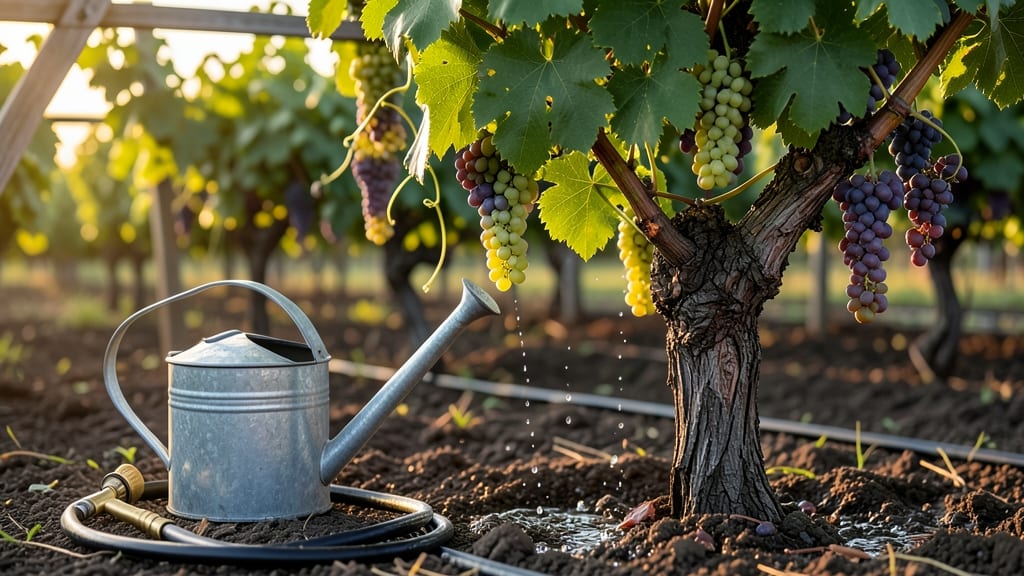
Watering grape vines often enough keeps them thriving without drowning the roots 🍇 — but getting the balance right is trickier than you think.
Struggling to keep your grape vines lush and productive? Overwatering or underwatering can spell disaster for your harvest—here’s the science-backed schedule to keep them thriving all season long.
Most gardeners assume grape vines are low-maintenance, but they actually need consistent moisture during their growing months. Too little water stresses the plant, while too much invites rot and fungal diseases. The key is deep, infrequent watering that encourages strong root growth.
In this guide, I’ll break down the exact watering schedule by season, how to read your vine’s thirst signals, and the best techniques to avoid common mistakes. By the end, you’ll know exactly when to reach for the hose—and when to hold back.
Seasonal watering schedule for grape vines: month-by-month guide
Grape vines thrive on consistency, but their water needs change dramatically with the seasons. Too much water in spring can drown young roots, while summer drought stresses mature vines. The key is understanding how rainfall, temperature, and growth stages affect your vines' hydration.
I'll walk you through a month-by-month schedule that keeps your grapevines healthy without wasting water or risking disease.
First, test your soil's moisture level before watering. Stick your finger 2-3 inches deep—if it feels dry, it's time to water. For established vines, deep watering (1-2 gallons per vine) once a week in spring and fall is ideal.
In summer's heat, you'll need to adjust frequency based on rainfall and soil type. Let's break it down by season so you can tailor your watering routine to your climate and vine age.
| Season | Watering Frequency | Soil Moisture Check | Rainfall Adjustment | Water Amount |
|---|---|---|---|---|
| Spring (March-May) | Weekly (every 5-7 days) | 2-3" deep dry | Reduce by 50% after 1" rain | 1 gallon per vine |
| Summer (June-August) | Every 3-5 days | 1-2" deep dry | Skip if >0.75" rain | 1.5-2 gallons per vine |
| Fall (September-November) | Bi-weekly (every 10-14 days) | 3" deep dry | Reduce by 30% after 0.5" rain | 1 gallon per vine |
| Winter (December-February) | Monthly (if no snow) | 4" deep dry | None needed (dormant) | 0.5 gallons (light soak) |
In spring, your grape vines are waking up from dormancy and need steady moisture to establish roots. Water deeply once a week, focusing on the root zone rather than wetting the leaves. If your area receives consistent rain (over 1 inch per week), cut back to every 10-14 days.
Young vines (1 year old) need more frequent watering—every 4-5 days—until they're established. Mulch around the base with straw or wood chips to retain moisture and regulate soil temperature.
Summer is when grape vines demand the most attention. With temperatures soaring, water deeply every 3-5 days to encourage strong root growth. Early morning watering (before 10 AM) prevents fungal diseases like powdery mildew by allowing foliage to dry quickly.
If you're in a drought-prone area, consider installing a drip irrigation system to deliver water directly to the roots. Monitor soil moisture closely—overwatering in summer can lead to root rot, while underwatering causes fruit to split or shrivel.
As fall approaches, reduce watering frequency to prepare vines for dormancy. Aim for bi-weekly watering (every 10-14 days) to harden off the plants. This gradual reduction helps prevent late-season diseases like black rot. Stop fertilizing in late summer to avoid encouraging new growth that won't harden off before winter.
If your region experiences early frosts, reduce watering to monthly by October to prevent root rot in cold, saturated soil.
Winter care is minimal for grape vines, but don't neglect them entirely. If you're in a mild winter zone (USDA zones 8-10), give vines a light soak once a month to prevent desiccation. In colder climates, focus on protecting the crown and roots with mulch.
Avoid watering if the ground is frozen—water can't penetrate, and the roots won't absorb it. This is also the perfect time to prune your vines while they're dormant, which improves airflow and reduces water stress in the next growing season.
One common mistake I see is assuming all grape vines have the same water needs. Container-grown vines dry out much faster than in-ground plants and may need watering every 2-3 days in summer. Similarly, sandy soil drains quickly, requiring more frequent watering, while clay soil holds moisture longer.
Always adjust your schedule based on your specific growing conditions. Pay attention to the leaves and fruit—wilting or shriveled grapes are clear signs of underwatering, while yellowing leaves or mold indicate overwatering.
Pro tip: Use a moisture meter to track soil conditions accurately. These tools take the guesswork out of watering and help you fine-tune your schedule. For organic growers, compost tea applied every 4-6 weeks can improve soil structure, helping roots access moisture more efficiently.
Remember, grape vines are surprisingly drought-tolerant once established, so err on the side of underwatering if you're unsure—most vines recover better from dry spells than from soggy roots.
Finally, keep a watering journal to track what works best for your vines. Note the dates, amounts, and any adjustments you make based on weather or vine response. Over time,
Signs your grape vines need water (and when to hold back)
Grape vines are surprisingly resilient, but their leaves and soil tell a clear story about their hydration needs. When young vines first establish roots, they’re more sensitive to moisture fluctuations. Even mature vines, though drought-tolerant, will show subtle signs when their water needs aren’t met—or when they’re getting too much.
Learning these cues helps you avoid overwatering diseases like powdery mildew while preventing underwatering stress that stunts fruit development.
One of the first visual warnings is wilting leaves, but grape vines often wilt naturally during the hottest part of the day. The key difference? Morning wilting that doesn’t recover by afternoon signals dehydration. Check the soil moisture 2-3 inches deep—if it’s dry, it’s time to water.
Another red flag is leaf curling or yellowing, especially on newer growth, which can indicate both underwatering and overwatering, so always pair it with a soil check.
🚨 callout warning 🚨
Young Vines (1st Year): Every 2-3 days (soil should stay consistently moist).
Established Vines: Deep water 1-2x per week in summer; reduce to bi-weekly in spring/fall.
Drought Stress Tip: Light stress before harvest (4-6 weeks out) can concentrate flavors—but avoid wilting!
Don’t ignore cracked or pulling-away soil around the vine’s base, a classic sign of severe thirst. Grapevines have deep roots, so surface watering won’t help—aim for 1-2 gallons per vine to encourage roots to grow deeper. For container-grown vines, check soil moisture daily in extreme heat, as pots dry out 3x faster than in-ground plants. Pro tip: Use a moisture meter or the "squeeze test"—grab a handful of soil; if it crumbles easily, water is needed.
Interestingly, grape quality improves with controlled drought stress before harvest. Reduce watering 4-6 weeks out to boost sugar concentration and flavor intensity, but stop if leaves start drooping permanently or fruit shrivels. This technique works best in hot climates like USDA Zone 8+ where vines naturally face water scarcity.
Just remember: Never let vines wilt during fruit set (spring), as this can cause fruit drop and reduce yield.
Overwatering is just as damaging as underwatering. Look for yellowing leaves with green veins, a classic sign of root rot from soggy soil. If the soil smells musty or stays muddy after rain, cut back on watering and improve drainage with organic mulch.
Grapevines need well-draining soil—amend heavy clay with compost or sand to prevent waterlogging. In humid climates, water in the early morning to let foliage dry before evening, reducing fungal risks.
Trust your grape vine’s signals, but also pay attention to the weather forecast. After a heavy rain, skip watering for 3-5 days unless the soil is bone-dry. In winter dormancy, reduce watering to monthly or only when soil is completely dry.
The goal is consistent moisture without waterlogged roots—balance is key to healthy vines and sweet grapes! 🍇