
How To
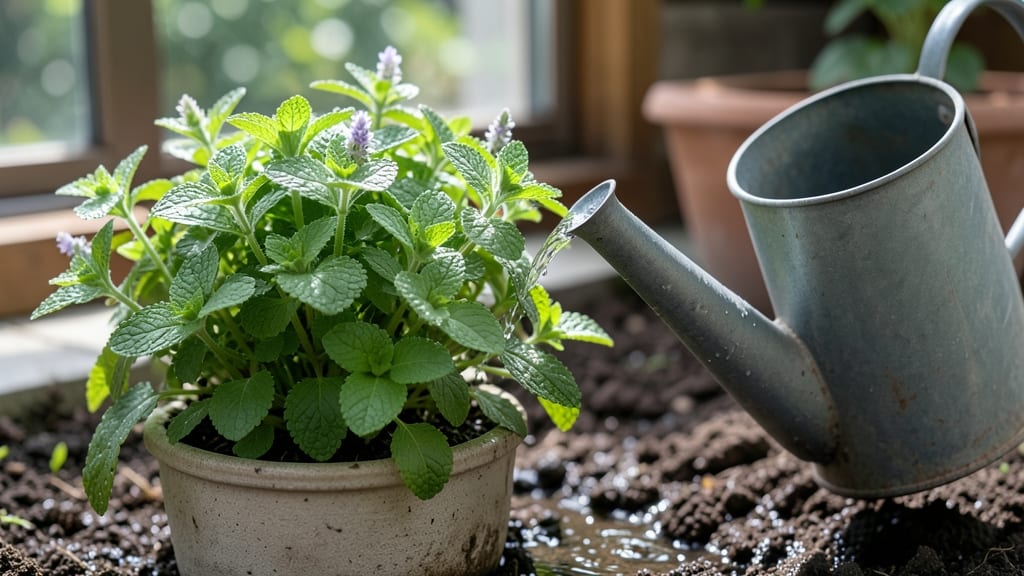
To water mint the right way means keeping its soil consistently moist but never soggy—this herb demands precision, or you’ll end up with root rot or crispy leaves.
Mint thrives on consistency but despises soggy roots—getting the watering schedule wrong can mean the difference between lush, fragrant foliage and a sad, wilting plant. I’ve learned the hard way that overwatering is just as deadly as underwatering, especially in USDA Zone 6 summers.
Here’s the game-changer: container mint needs watering every 1-2 days in hot weather, while in-ground plants hold moisture longer. Below, I break down the exact schedule by season, soil type, and how to spot when your 🌿 mint is thirsty or drowning.
You’ll discover how to check soil moisture without a meter, adjust for clay vs. sandy soil, and rescue a plant that’s already struggling. No guesswork—just a foolproof routine for mint that stays vibrant all season.
The ideal mint watering schedule by climate and season
Mint is a resilient herb, but its watering needs shift dramatically with seasonal temperatures and container size. Too much water causes root rot, while too little stunts growth.
The key is consistent soil moisture—never soggy, never bone-dry. I’ve grown mint in USDA Zone 6 for years, and these science-backed schedules keep my plants thriving year-round.
Your first step is checking your local climate zone and soil type. Sandy soil drains faster than clay, so adjust your watering accordingly. For example, my well-draining garden beds hold moisture longer than my terracotta pots, which dry out in hours.
Let’s break down the perfect watering rhythm for each season and setup.
🌿 Visual Learners: Use this table as your cheat sheet. Bookmark it for quick reference during your watering routine!
| Season | Climate Zone | Container Size | Watering Frequency | Signs of Proper Moisture |
|---|---|---|---|---|
| Spring | Zones 6-9 | Garden Bed | Every 2-3 days | Top 1" soil moist |
| Spring | Zones 6-9 | 6" Pot | Daily (morning) | Soil slightly damp |
| Summer | Zones 6-9 | Garden Bed | Daily or every other day | Top 2" soil moist |
| Summer | Zones 6-9 | 6" Pot | Every 1-2 days | Soil damp but not soggy |
| Fall | Zones 6-9 | Garden Bed | Every 3-4 days | Top 1" soil moist |
| Winter | Zones 6-9 | Garden Bed | Bi-weekly (check soil) | Soil barely damp |
💧 Pro Tip: Always water in the morning to prevent fungal growth.
In spring, mint wakes up hungry after winter dormancy. My garden beds need watering every 2-3 days, while potted mint dries out faster—water daily in the morning to prevent wilting.
Use your finger to check soil moisture: if the top 1 inch feels dry, it’s time to water.
Summer is the most critical season for mint watering. In USDA Zone 6, temperatures often hit 90°F+, causing soil to dry out quickly. Water garden mint daily or every other day, and container plants every 1-2 days.
The goal is to keep the top 2 inches of soil moist—never let it dry completely.
As fall temperatures drop, mint’s water needs decrease. I reduce my watering to every 3-4 days in garden beds and every
Signs your mint is overwatered or underwatered (and how to fix it)
Your mint plant might look vibrant, but hidden watering mistakes can stunt its growth or even kill it. Overwatering and underwatering both cause stress, but they show up in different ways. Learning these key symptoms helps you act fast before your mint turns from lush to limp.
First, check the soil moisture—stick your finger about an inch deep. If it feels damp, your plant may be getting too much water. If it’s bone-dry, it’s time to hydrate. Mint roots need consistent moisture but hate soggy conditions.
Let’s decode the warning signs so you can rescue your plant before it’s too late.
💧 How Often to Water Mint?
Mint in containers needs watering every 1-2 days, while in-ground plants thrive with every 2-3 days. Adjust for heat—water daily in summer, reduce to every 3-4 days in cooler months. Always water at the base, not the leaves, to prevent fungal issues.
Test soil moisture before watering: if the top inch feels dry, it’s time. If it’s still damp, wait another day. Mint hates soggy roots, so ensure pots have drainage holes and garden beds drain well.
Yellowing leaves are the most common sign of watering problems. If the lower leaves turn yellow first, your mint is likely overwatered.
This happens when roots suffocate in wet soil, cutting off oxygen. Mold or mushy stems confirm the issue—act fast by letting the soil dry out completely between waterings.
On the flip side, crispy, brown edges on leaves signal underwatering. The plant wilts easily, and new growth looks stunted.
If you see this, water deeply until it drains from the bottom of the pot or seeps into the soil. Morning watering is best—it gives roots time to absorb moisture before evening evaporation.
Another red flag: stunted growth or leggy stems. When mint doesn’t get enough water, it stretches toward light, creating weak, sparse foliage. Revive it by adjusting your schedule and moving it to a slightly shadier spot to reduce stress. Mulch around the base to retain moisture and keep roots cool.
For container-grown mint, overwatering is riskier due to limited drainage. If your pot feels heavy with water, stop watering until the topsoil dries. Repot in well-draining soil if needed, and consider adding perlite to improve aeration. In garden beds, improve drainage by amending the soil with compost or sand.
Remember, mint recovery starts with observation. Check the soil, leaves, and stems regularly—your plant will thank you with vibrant, fragrant growth all season long. 🌿