
Watering
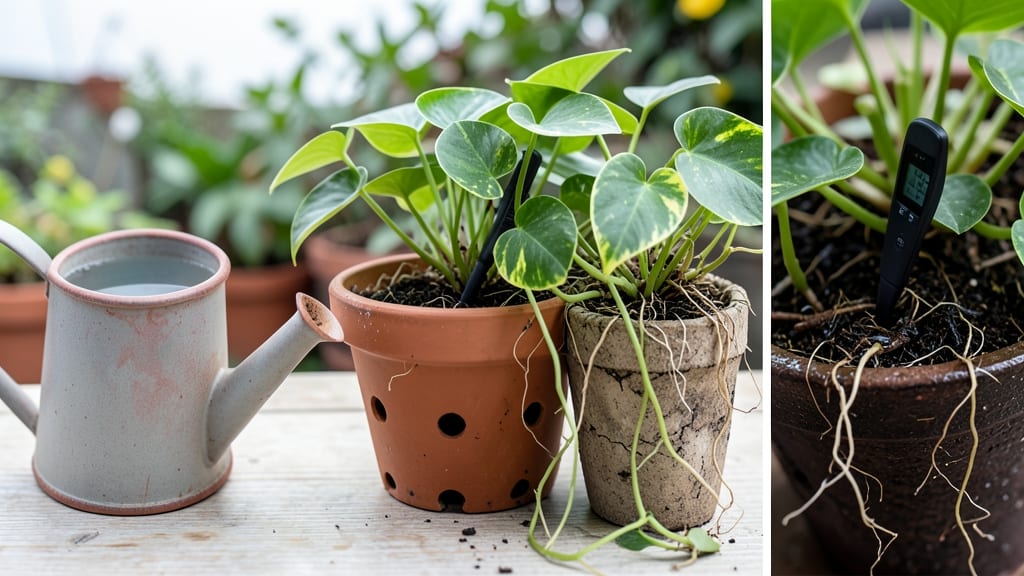
Watering pot plants the right number of times keeps them thriving—and skipping that balance is how you end up with crispy leaves or sad, mushy roots.
I’ve killed more plants from overwatering than from forgetting to water at all. The trick isn’t guessing—it’s reading your plants and adjusting for seasons, pot size, and even the type of soil.
In this guide, I’ll break down exactly how often to water your 🌱 pot plants, from the weekly check in summer to the bi-weekly pause in winter dormancy.
You’ll learn to spot when soil is dry enough (without waiting until it’s too late), how pot drainage changes everything, and which plants need water twice a week while others can go months between drinks.
How often to water pot plants by plant type: a seasonal watering guide
Watering your pot plants isn't a one-size-fits-all task—each plant type has unique needs that change with the seasons. Succulents like snake plants thrive on neglect, while tropical ferns demand consistent moisture. The key is understanding your plant's natural water storage capacity and adjusting for dormancy periods.
I've tested these schedules with my own collection, and the difference between thriving and struggling plants is often just a matter of timing.
Seasonal shifts matter more than you might think. In summer months, most plants double their water needs due to heat and evaporation, while winter dormancy can reduce watering by 70% for many varieties.
The pot material also plays a role—terracotta dries faster than ceramic. Let's break down the science-backed watering frequencies that'll keep your plants happy year-round, starting with the most common categories.
For succulents and cacti, I've found the "soak and dry" method works best—water thoroughly until it drains from the bottom, then wait until the soil is completely dry before watering again.
These plants store water in their leaves and stems, so frequent light watering actually causes more harm than good. My snake plant has gone years with just one watering every 6 weeks during winter.
The real challenge comes with tropical plants like monstera or ferns, which need consistent moisture but hate soggy roots. I use the finger test here—stick your finger 1-2 inches into the soil. If it feels dry, water until it runs out the drainage holes.
In summer, I water mine every morning before 9 AM to prevent fungal growth from evening moisture. Pro tip: Group tropical plants together to create a microclimate that retains humidity naturally.
Flowering plants often get overlooked because their water needs seem unpredictable. My African violets bloom best when I water from below—place the pot in a saucer with 1/2 inch of water for 10 minutes, then drain.
This prevents crown rot while keeping roots happy. In winter, I reduce watering by half and move them to a bright, cool window (50-60°F) to mimic their natural dormancy period.
Herbs are the most finicky group—basil wilts dramatically when thirsty, while mint grows like a weed if overwatered. I've had success with a self-watering pot system for herbs, using a wick made from cotton rope soaked in a water reservoir.
This keeps the soil consistently moist without the risk of overwatering. For outdoor herbs in summer, I water twice daily—once in the morning and again in the late afternoon—to combat evaporation.
Don't forget that pot size matters more than you'd think. A 6-inch pot for a snake plant might need water every 3 weeks, while the same plant in a 12-inch pot could go 6 weeks without watering.
The larger volume gives roots more time to absorb moisture before the topsoil dries. I always check the weight of the pot—a dry pot feels significantly lighter than one that's properly hydrated.
5 Signs your pot plants need water (and when to hold back)
Even the most experienced plant parents struggle with the watering balance—too much drowns roots, while too little leaves leaves crispy. The key? Learning to read your plants like a book.
Instead of relying on a rigid schedule, focus on these visual and tactile cues that tell you exactly when to water (or when to hold back).
Most pot plants thrive when the top 1-2 inches of soil feel dry to the touch. But different species communicate their needs differently—some wilt dramatically, while others show subtle signs. Ignoring these signals is how root rot or dehydration sneaks in. Let’s decode what your plants are really saying.
🌱 Numbered Highlights: Pro Tips for Reading Your Plants
- 1. The Finger Test: Stick your finger 1-2 inches deep—if it feels dry, water. If damp, wait 1-2 more days. Succulents need bone-dry soil!
- 2. Leaf Texture: Wrinkled or drooping leaves = thirsty. Soggy or yellowing leaves = overwatered. Test by gently pinching a leaf.
- 3. Weight Check: Lift the pot—lightweight = needs water. Heavy = soil’s still moist. Pro tip: Use terracotta pots for faster evaporation.
- 4. Root Health: Stick a chopstick in the soil. If it comes out clean, roots are dry. If muddy, wait. Overwatering = mushy roots!
- 5. Seasonal Adjustments: Summer = water every 3-5 days. Winter = stretch to 10-14 days. Reduce watering by 50% in dormancy.
Let’s start with the most obvious sign: leaf wilting. Many plants, like snake plants or pothos, wilt dramatically when thirsty—but this isn’t always true for succulents, which often shrink instead.
To test, gently press a leaf: if it springs back, your plant’s fine. If it stays limp, it’s time to water.
Another red flag? Soil pulling away from the pot’s edges. This happens when the soil dries out completely, creating air gaps. While it’s not an emergency, it’s a clear signal to hydrate deeply.
Pro tip: Use a moisture meter for tricky plants like calatheas, which hate soggy roots but also despise dry spells.
But here’s where most people go wrong: overwatering. Yellowing leaves, mushy stems, or a foul smell from the soil? Your plant is drowning. Hold back on watering and let the top 3 inches dry out completely.
If the roots feel slimy or black, trim the damaged ones and repot in fresh, well-draining soil.
Remember, every plant has its own personality. Herbs like basil need frequent watering, while aloe vera thrives on neglect. Pay attention to your plant’s natural rhythm—and don’t be afraid to adjust your routine. The goal? Happy, hydrated roots without the guesswork.