
Watering
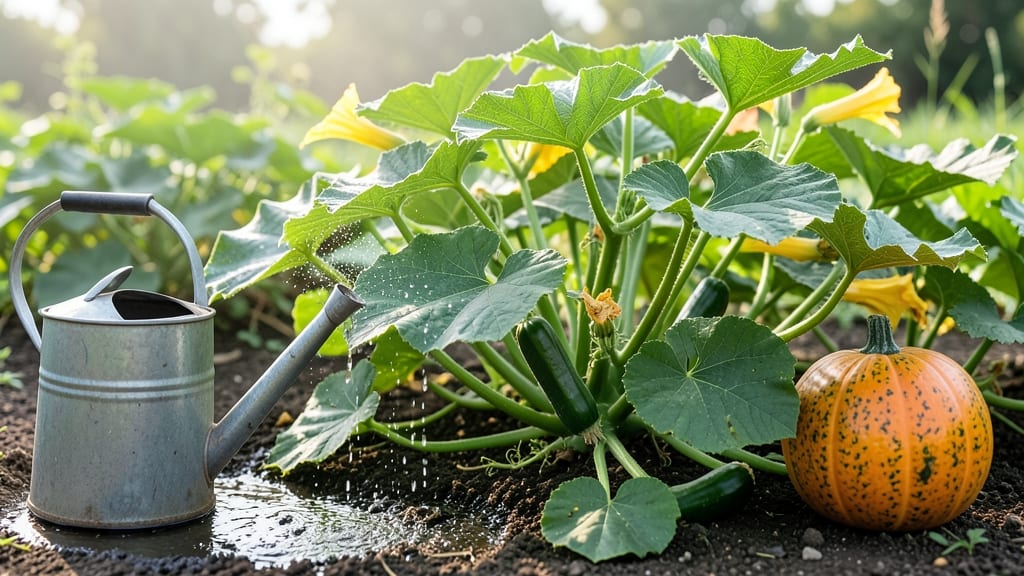
Watering squash plants often enough keeps those 🎃 vines thriving, but too much or too little can turn your harvest into a flop.
Picture this: you’ve spent weeks nurturing your squash, only to watch them wilt under the sun or drown in soggy soil. The key isn’t just how often—it’s when to water, how deep, and what your soil is really telling you.
Most gardeners guess, but squash plants need consistency: 1-2 inches of water every 2-3 days in warm weather, adjusted for rain or drought. Below, I’ll show you the simple soil test that saves time and plants.
You’ll learn how to read your soil, spot over- or underwatering, and pick the best method—whether it’s drip irrigation or a good old watering can—for bigger, healthier squash all season.
The perfect watering schedule for squash plants by soil type
Squash plants thrive when their roots stay consistently moist, but overwatering or underwatering can spell disaster. The key? Understanding your soil type and using the soil dry test—a foolproof method to gauge moisture without guesswork.
Sandy soils dry faster than clay, while loamy soils strike the perfect balance. Let’s break down how to water squash plants based on your garden’s foundation.
First, identify your soil type by grabbing a handful of damp soil and squeezing it. If it crumbles easily, you’ve got sandy soil. If it holds shape but breaks with pressure, it’s loamy soil. If it forms a stiff ball, you’re dealing with clay soil.
Each type dictates how often you’ll need to water—sandy soils may need daily checks in summer, while clay holds moisture longer. Mulching with straw or shredded leaves helps retain moisture and keeps roots cool.
| Soil Type | Watering Frequency | Depth per Watering | Best Time to Water |
|---|---|---|---|
| Sandy Soil | Every 1-2 days (summer) | 1-2 inches | Morning (6-8 AM) |
| Loamy Soil | Every 2-3 days (summer) | 1.5-2 inches | Morning or late afternoon |
| Clay Soil | Every 3-4 days (summer) | 1-1.5 inches | Late afternoon (avoid puddling) |
| All Soil Types (Spring/Fall) | Every 3-5 days | 1 inch | Morning |
To perform the soil dry test, stick your finger 1-2 inches into the soil near the plant’s base. If it feels dry at this depth, it’s time to water. For young squash plants (first 4 weeks), keep soil consistently moist—like a wrung-out sponge.
Once vines start spreading, deep watering (1-2 inches per session) encourages roots to grow downward, making plants more drought-resistant.
Heat and humidity play a huge role in your watering schedule. During summer heatwaves, sandy soils may need watering twice daily, while clay soils can go longer between waterings. In humid climates, water in the morning to reduce fungal risks.
Avoid wetting leaves, as this can lead to powdery mildew. Use a soaker hose or drip irrigation to deliver water directly to the roots and conserve moisture.
Mulching is a game-changer for squash plants. Apply a 2-3 inch layer of organic mulch (like straw or wood chips) around the base of the plant, keeping it a few inches away from the stem.
This helps retain moisture, suppress weeds, and regulate soil temperature. Replenish mulch as it breaks down, especially during hot, dry spells. For container-grown squash, check soil moisture daily—pots dry out much faster than in-ground soil.
Watch for signs of stress: wilting leaves or yellowing foliage often signal underwatering, while mushy stems or yellowing lower leaves may indicate overwatering. Adjust your schedule based on these cues and the weather forecast.
If a heatwave is coming, increase watering frequency gradually to avoid shocking the plants. Consistency is key—squash plants reward steady care with vigorous vines and abundant fruit.
Pro tip: Use a moisture meter for precision, especially if you’re new to gardening. These inexpensive tools take the guesswork out of watering and help you fine-tune your schedule.
Pair it with the soil dry test for a foolproof system. With the right approach, your squash plants will flourish, producing healthy vines and plump fruits all season long.
Remember, every garden is unique. Adjust these guidelines based on your local climate, microclimate, and the specific squash variety you’re growing. Whether you’re cultivating zucchini, butternut squash, or acorn squash, mastering the watering schedule will set you up for a bountiful harvest. Happy gardening! 🎃
Signs your squash plants are overwatered or underwatered (and how to fix it)
Squash plants are heavy drinkers, but too much or too little water can spell disaster. Yellowing leaves and mushy stems often signal overwatering, while crispy edges and drooping vines scream drought stress. The key is learning to read your plants' subtle cues before damage sets in.
Start by checking the soil moisture 1-2 inches below the surface. Stick your finger in—if it feels damp, hold off on watering. If it's bone-dry, your squash is thirsty. This simple soil dry test prevents both extremes and keeps your vines thriving.
⚠️ callout warning ⚠️
Overwatered squash shows yellow lower leaves first, often with a soggy base and white mold on stems. The fix? Let the top 3 inches of soil dry out between waterings and improve drainage by adding compost or perlite to heavy soils.
Underwatered plants wilt dramatically by midday, even after watering. Their leaves feel papery and crisp to the touch, and new growth may stop entirely. To revive them, give a deep watering at the base (not overhead) and mulch heavily to retain moisture.
Fungal issues like powdery mildew or blossom end rot often stem from inconsistent watering. Always water in the morning to let foliage dry before nightfall, and avoid wetting leaves to prevent disease spread.
Pro tip: Mulch with straw or grass clippings to lock in moisture and keep roots cool. This reduces your watering frequency by up to 30% while protecting plants from temperature swings.