
How To
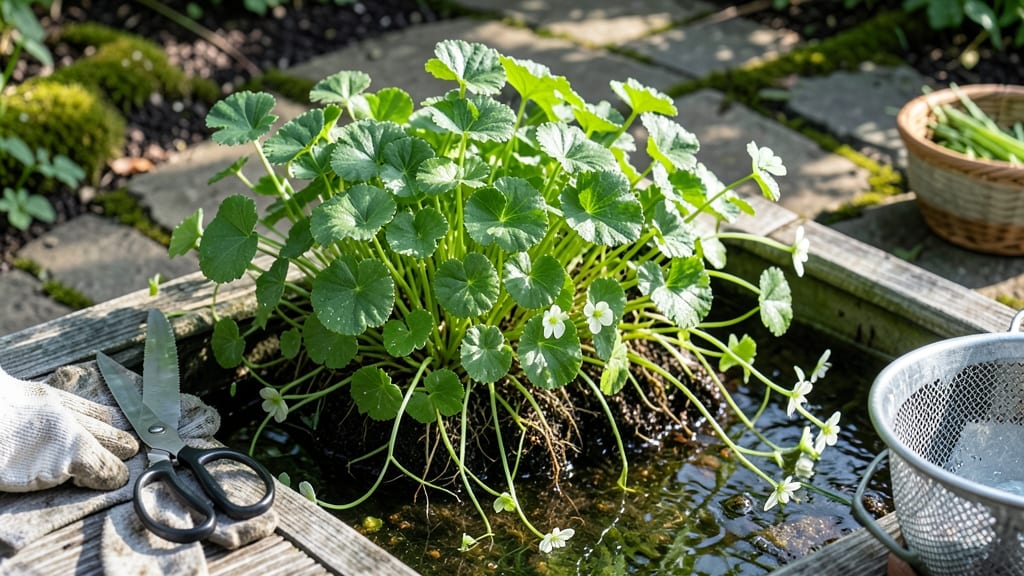
Harvesting watercress at the right time ensures tender, flavorful leaves and keeps your 🌿 plants thriving for months.
Picture this: you’ve nurtured your watercress for weeks, watching it grow lush and green—only to pull a handful of tough, bitter stems. That’s the difference between knowing when to harvest and guessing. The secret? Timing it right, cutting correctly, and giving your plants room to bounce back.
Watercress is one of the fastest-growing greens you can cultivate, but even the hardiest plants need gentle handling. Whether you’re snipping for salads, soups, or smoothies, the way you harvest directly impacts future harvests. Too aggressive, and you’ll stunt regrowth; too timid, and you’ll miss peak flavor.
In this guide, I’ll walk you through the exact signs your watercress is ready, the best tools to use, and step-by-step techniques to keep your plants happy—and your kitchen stocked—all season long.


When to harvest watercress for peak flavor and growth
Harvesting watercress at the right time ensures peak flavor and encourages continuous growth. Unlike many herbs, watercress thrives when picked regularly, but timing is everything. The ideal harvest window starts 45-60 days after planting, when leaves reach 2-4 inches long and remain tender.
Waiting too long risks bitter stems or bolting, while harvesting too early stunts your crop.
I’ve found that spring and early summer are the sweet spots for watercress harvests in most USDA Zone 6a climates. During these months, watercress grows aggressively, producing dark green, glossy leaves packed with nutrients.
In warmer climates, extend your harvest season by providing partial shade during peak afternoon heat to prevent stress.
Seasonal adjustments are key. In cooler regions, aim for harvests between May and October, while warmer zones can enjoy watercress year-round with proper water management. Always check for tender stems and active growth—these are your best indicators that it’s time to harvest.
🌿 Watercress Harvest Guide Summary
| Stage | Signs of Readiness | Best Time to Harvest | Climate Notes |
|---|---|---|---|
| Early Growth | Leaves 1-2" long, pale green | Avoid harvesting | All climates |
| Ideal Harvest | Leaves 2-4", dark green, glossy | Every 2-3 weeks | Spring-Summer |
| Late Season | Leaves >4", stems tough | Harvest sparingly | Fall in cool climates |
| Regrowth | New leaves emerge after trim | Repeat harvest in 3-4 weeks | All seasons |
For continuous harvests, focus on the outer leaves first—this encourages the plant to produce more tender growth from the center. I’ve seen watercress regrow within 3-4 weeks when harvested correctly, making it one of the most forgiving herbs for gardeners.
Just avoid cutting more than one-third of the plant at a time to prevent stress.
Watch for bolting signs, like tall flower stems or bitter-tasting leaves. This usually happens when watercress matures past its prime, often in late summer. If you notice this, reduce harvests and focus on water consistency and partial shade to prolong the harvest season.
In hot climates, morning harvests are ideal because watercress wilts quickly in direct sun. Rinse immediately in cool water and store in a perforated bag in the fridge for up to 5-7 days.
For cold climates, harvest before the first frost to preserve flavor, as watercress becomes woody when exposed to freezing temperatures.
Pro tip: If your watercress starts looking leggy or sparse, it’s a sign to reduce harvests and focus on fertilization or water adjustments. A balanced 5-5-5 fertilizer applied every 4-6 weeks during the growing season keeps plants lush and productive.
Remember, watercress is a self-regulating plant. When you harvest correctly, it rewards you with fresh, peppery leaves for months. Start small, observe your plants, and adjust your timing based on their response—your garden will thank you with a bountiful, flavorful harvest all season long. 🌱
Step-by-step guide to harvesting watercress without damaging plants
Harvesting watercress correctly ensures your plants stay healthy and keep producing those peppery, nutrient-packed leaves. The key is to use gentle techniques that encourage regrowth while avoiding damage to stems or roots.
Whether you're harvesting from a pond garden, shallow tray, or moist soil bed, these methods will keep your crop thriving for weeks.
Start by identifying mature leaves—look for dark green, glossy foliage that's 2-4 inches long and tender to the touch. Avoid harvesting when plants are stressed (like during extreme heat) or when leaves are pale and small.
The right timing and tools make all the difference in preserving your watercress's vigor.
How to Harvest Watercress
- Step 1: Wear gloves and sanitize your harvesting tools (scissors or pruners) with rubbing alcohol to prevent disease. Watercress thrives in moist conditions, making it vulnerable to fungal issues.
- Step 2: For water-based harvests, gently grasp the outer leaves near the base and twist or cut just above the waterline (or soil surface). This encourages new growth from the center.
- Step 3: Use clean scissors to snip stems at a 45-degree angle if harvesting from soil. Avoid tearing leaves, which can invite pests. Cut no more than one-third of the plant at once.
- Step 4: For continuous harvests, pick leaves every 7-10 days during peak season (May-October). Always leave the inner leaves and young shoots intact to sustain growth.
- Step 5: After harvesting, rinse leaves in cool water to remove debris or pests. Pat dry gently with a clean towel to prevent rot. Store in a sealed container in the fridge for up to 5 days.
- Step 6: Fertilize lightly with a balanced 5-5-5 mix 1-2 weeks post-harvest to replenish nutrients. Watercress recovers quickly, so avoid over-fertilizing, which can burn tender roots.
If your watercress starts to bolt (flower), it’s time to harvest the entire plant before seeds form. Bolting often happens in hot weather or when days shorten. Save seeds for next season or compost the plant to avoid self-seeding where you don’t want it.
For extended harvests, mulch around soil-grown plants with straw or compost to retain moisture and cool roots. This simple step can add 2-3 extra weeks to your harvest season by reducing stress. Pair this with regular watering (especially in partial sun conditions) to keep leaves crisp and flavorful.
Remember, watercress regrows quickly—with proper care, you can enjoy fresh harvests every 1-2 weeks throughout the growing season. The secret? Patience and precision in your harvesting technique. 🌿✂️💧