
Tools
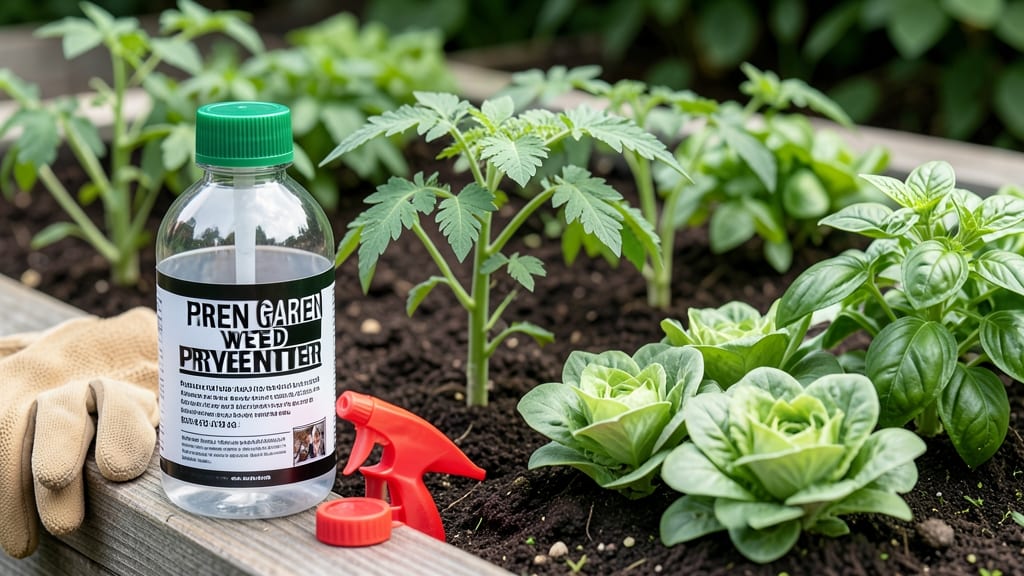
To use Preen Garden Weed Preventer, apply it to dry, weed-free soil before planting by following label rates for granular or liquid forms, then water lightly to activate the barrier. Reapply every 3-4 months for seasonal control in flower beds and vegetable gardens.
Preen works by creating a natural barrier that stops weed seeds from sprouting, not by killing existing weeds or plants. 🌱 The active ingredient, corn gluten meal, disrupts the growth hormones in weed seeds while allowing your desired plants to thrive.
I've seen it work best when applied in early spring before weeds germinate, giving your garden a clean start for the season.
For best results, choose a dry, sunny day to apply—this helps the granules or liquid spread evenly and activate properly. A spreader makes the job easier for larger areas, while a hand-held applicator works well for smaller beds.
Always check the label for specific rates, as overapplication can harm plants or reduce effectiveness. I recommend testing a small area first if you're new to using it.
💡 In This Article
- How Preen Weed Preventer Blocks Weeds Without Harming Plants
- Best Application Tips for Flower Beds, Lawns, and Vegetable Gardens
How Preen weed preventer blocks weeds without harming plants
Preen Garden Weed Preventer works primarily through its active ingredient, corn gluten meal, which contains natural compounds that disrupt the growth hormones of weed seeds. When applied to soil, these compounds create a pre-emergent barrier that prevents weed seeds from germinating.
The key lies in how corn gluten meal interferes with the production of auxin, a hormone essential for root development in young plants. Weed seeds exposed to this barrier simply won't sprout, while established plants—including your garden flowers or vegetables—remain unaffected because their root systems are already developed.
This selective action happens because corn gluten meal targets the radicle (the embryonic root) of weed seeds during germination.
When activated by moisture, the granules release a mild acidic environment that inhibits cell division in the radicle, effectively stopping growth before the seedling emerges. 🌱 Unlike chemical herbicides that can harm existing plants, Preen's mechanism is gentle enough to allow your desired plants to thrive.
For example, a 10-pound bag of Preen covers about 1,250 square feet, providing protection for up to 3-4 months depending on rainfall and soil conditions.
The timing of application is everything—Preen must be applied before weed seeds germinate, typically in early spring or after clearing existing weeds. This is why it's most effective when used as a preventative measure rather than a cure.
For instance, applying it in March or April (before summer weeds like crabgrass take hold) gives you a head start on weed control. The product works best in temperatures between 50-85°F, as cooler or hotter conditions can reduce its effectiveness.
One common misconception is that Preen kills existing weeds or plants. It doesn't—its purpose is purely preventative. To ensure success, always remove existing weeds before applying and keep the soil free of debris.
The granules need direct contact with the soil to work, so avoid applying over thick mulch or dense plant foliage. For example, in a flower bed, rake the area lightly to expose the soil before spreading Preen evenly.
For vegetable gardens, the same principles apply, but timing is even more critical. Apply Preen 4-6 weeks before planting to allow the barrier to form without interfering with your crops.
The product breaks down naturally in the soil, becoming a mild fertilizer over time, which is why it's safe for edible plants once the barrier has degraded. 🌿 This makes it ideal for organic gardens where chemical herbicides are avoided.
In summary, Preen's effectiveness comes from its targeted action on weed seeds, its gentle approach to established plants, and the importance of proper timing. By understanding these mechanisms, you can use it confidently in your garden while minimizing risks to your desired plants.