
Vegetables
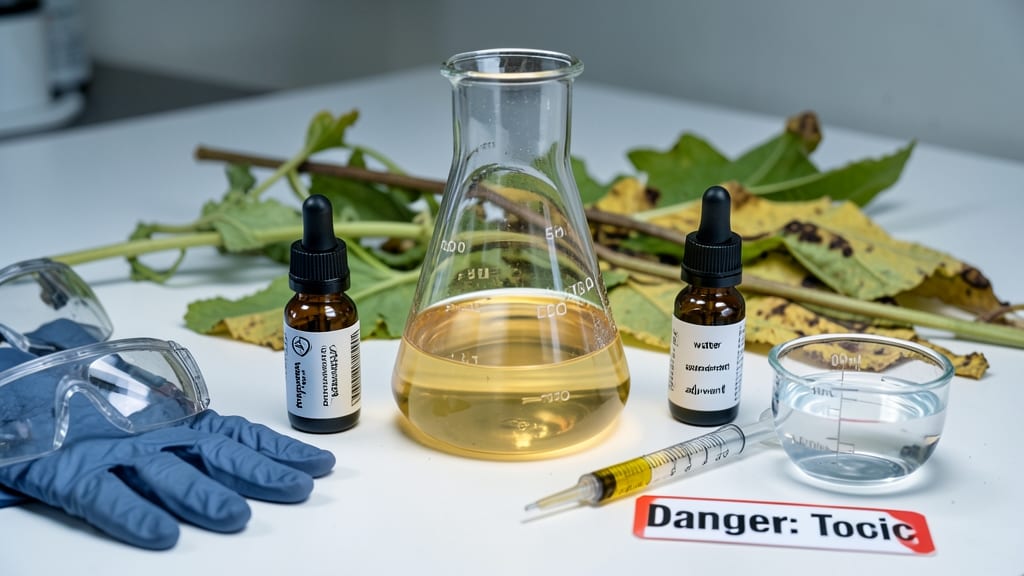
The ingredients of Roundup weed killer include glyphosate as the primary active ingredient, which stops plant growth by blocking essential amino acid production. Most formulations also contain surfactants like polyoxyethylene amine (POEA) and inert ingredients such as water, salt, and stabilizers to improve absorption and coverage.
The glyphosate in Roundup is the key chemical that disrupts plant metabolism, making it effective against a wide range of weeds. 🌱 Surfactants like POEA help the herbicide spread evenly and penetrate plant tissues more efficiently, while inert ingredients ensure stability and proper application.
This combination allows Roundup to work systemically—meaning it travels through the plant to kill roots and regrowth—rather than just on contact.
Understanding these components helps gardeners choose the right product for their needs. For example, concentrated versions may have higher glyphosate percentages, while ready-to-use sprays include more water and stabilizers. Always check the label for exact formulations, as they can vary by product line and intended use.
💡 In This Article
- How Glyphosate Works in Roundup’s Active Ingredient Formula
- Understanding Roundup’s Inert Ingredients and Their Role
How glyphosate works in Roundup’s active ingredient formula
Glyphosate, the active ingredient in Roundup, works by mimicking a critical amino acid called glycine in plant cells. This molecular deception tricks the plant's enzyme EPSP synthase, which normally helps produce essential amino acids like tryptophan and phenylalanine.
Without these amino acids, plants can't synthesize proteins needed for growth, leading to stunted development and eventual death. 🌱 The process is so effective because plants can't metabolize glyphosate—it remains active in their systems for weeks, ensuring long-term control over weeds.
What makes glyphosate uniquely powerful is its systemic action. Unlike contact herbicides that only affect exposed surfaces, glyphosate gets absorbed through leaves and transported throughout the plant's vascular system. This means even hidden roots and regrowth points are targeted.
For example, a 1% glyphosate solution (10,000 ppm) can kill weeds within 7-14 days, depending on plant species and environmental conditions like temperature and humidity. The herbicide's mobility within plants explains why Roundup works on both broadleaf weeds (like dandelions) and grassy weeds (like crabgrass).
Surfactants like polyoxyethylene amine (POEA) play a crucial role in enhancing glyphosate's effectiveness. POEA lowers the surface tension of water in the spray solution, allowing it to spread more evenly across plant surfaces and penetrate waxy leaf cuticles.
Without surfactants, glyphosate would simply bead up and roll off leaves, reducing absorption by up to 50%. This chemical synergy is why Roundup formulations often contain 1-5% POEA—it's not just an additive, but a performance multiplier for the active ingredient.
Roundup's systemic nature also means it's more effective against perennial weeds with deep root systems. For instance, glyphosate can control tough invaders like quackgrass or Johnson grass, which would survive surface treatments.
The herbicide's ability to translocate through plant tissues ensures that even new growth from roots or rhizomes is eliminated. However, this same characteristic means glyphosate must be applied before weeds emerge or when they're actively growing—dormant plants won't absorb enough to be effectively controlled.
The biochemical pathway glyphosate targets—shikimic acid pathway—is unique to plants, bacteria, and some fungi, but not animals. This specificity is why glyphosate has been widely used for decades with relatively low acute toxicity to mammals.
However, the debate continues about long-term exposure effects, particularly when considering residue levels in food crops or environmental persistence in soil. The EPA's current assessment suggests glyphosate poses minimal risk when used according to label instructions, but ongoing research explores potential links to chronic health conditions.
For gardeners, understanding this mechanism explains why timing matters. Applying Roundup on cool, calm days with 50-70% humidity optimizes absorption. The herbicide works best when weeds are actively growing—typically during spring and fall—rather than in drought conditions when plants have closed stomata.
This knowledge helps maximize effectiveness while minimizing the amount of product needed, which is both economical and environmentally responsible.