
Advice
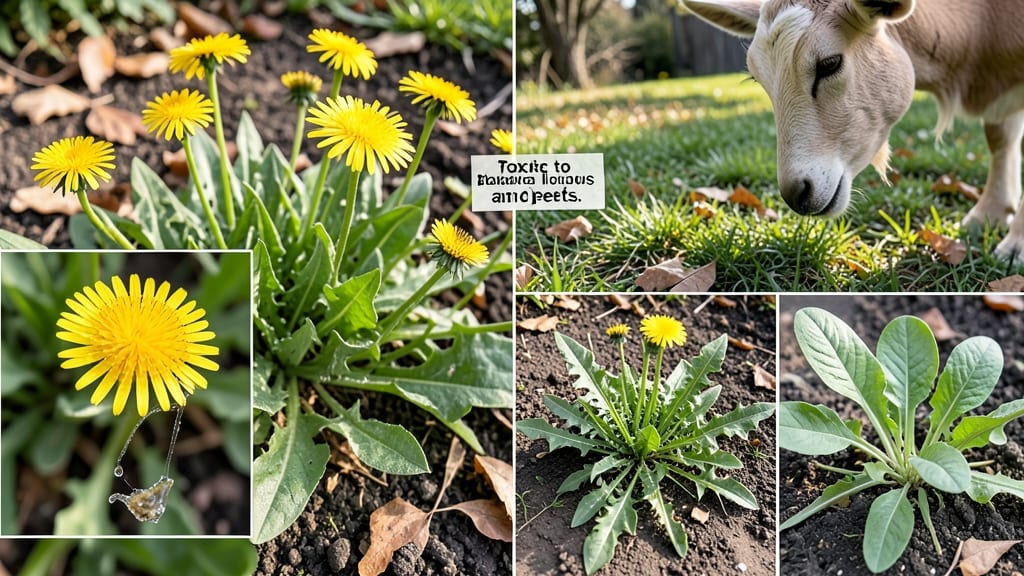
Butterweed is poisonous because it contains toxic compounds like sesquiterpene lactones, which can cause severe skin irritation, gastrointestinal distress, or allergic reactions in humans and livestock. Avoid direct contact and ingestion, especially when handling or consuming contaminated plants.
Butterweed's toxicity comes from its chemical makeup, which includes compounds that can trigger allergic reactions in sensitive individuals. 🔥 Unlike some weeds that cause mild discomfort, butterweed's sesquiterpene lactones can lead to more serious symptoms like vomiting or respiratory issues if ingested.
I've seen cases where livestock accidentally consumed contaminated hay, leading to digestive problems that required veterinary attention. When dealing with this plant, always wear gloves and wash your hands thoroughly afterward to minimize exposure risks.
Identifying butterweed early is key to preventing accidental poisoning. The plant often grows in pastures or along roadsides, blending in with harmless grasses. If you suspect butterweed in your garden, pull it out by the roots and dispose of it properly—never compost it, as the toxins can persist.
For large infestations, consider using targeted herbicides labeled for toxic weed control, but always follow safety instructions carefully.
💡 In This Article
- Toxic Compounds in Butterweed and Their Effects
- Safe Removal and Garden Protection Strategies
Toxic compounds in butterweed and their effects
Butterweed's danger lies in its chemical arsenal, primarily sesquiterpene lactones—a class of compounds that act as natural defenses against herbivores. These molecules trigger allergic reactions by binding to skin proteins, causing contact dermatitis in up to 90% of exposed individuals.
The most potent compound, parthenin, has been shown in studies to cause skin irritation at concentrations as low as 0.01%, making even brief contact risky. 🔥 Unlike common weeds like dandelions, which may cause mild stomach upset if ingested, butterweed's toxins can provoke severe gastrointestinal distress within hours of consumption, including vomiting and diarrhea.
The plant's alkaloids further amplify its toxicity by disrupting cellular functions. When livestock ingest butterweed-contaminated forage, these compounds can lead to liver damage or neurological symptoms like tremors, as documented in cattle studies where animals consumed just 5% of their body weight in infected hay.
For humans, the threshold for noticeable effects is lower—as little as 10 grams of fresh leaves can trigger reactions in sensitive individuals. The symptoms often mimic food poisoning but persist longer, sometimes requiring medical intervention.
What makes butterweed uniquely hazardous is how its toxins interact with the body's immune system. Sesquiterpene lactones act as haptens, molecules too small to provoke an immune response alone but capable of binding to larger proteins, creating antigens that trigger allergic reactions.
This mechanism explains why some people experience delayed reactions—symptoms may appear 12-48 hours after exposure, making it difficult to trace the source. 💫 In contrast, plants like poison ivy cause immediate reactions because their toxins (urushiol) are direct irritants rather than immune system activators.
Comparing butterweed to other toxic plants reveals its insidious nature. While foxglove contains cardiac glycosides that can be fatal in precise doses, butterweed's effects are more unpredictable due to its broad-spectrum toxicity.
A single plant can contain enough parthenin to irritate skin, upset digestion, and even trigger respiratory issues if inhaled as powdered plant matter. This multi-system impact makes butterweed particularly dangerous in agricultural settings, where accidental ingestion by livestock can have widespread consequences.
The severity of reactions also depends on exposure duration and individual sensitivity. People with hay fever or asthma may experience more intense symptoms due to their already sensitized immune systems. Even those without allergies can develop secondary infections from scratching irritated skin, compounding the initial irritation.
The plant's toxins can also persist in dried form, meaning hay or compost made from contaminated plants remains hazardous for months.
Understanding these mechanisms helps explain why butterweed requires immediate and careful handling. Unlike some weeds that lose potency when dried, butterweed's compounds remain active, making proper disposal critical.
The key takeaway is that this plant shouldn't be treated like harmless vegetation—its chemical complexity demands respect and caution at every stage of contact. ✨