
Companion Plants
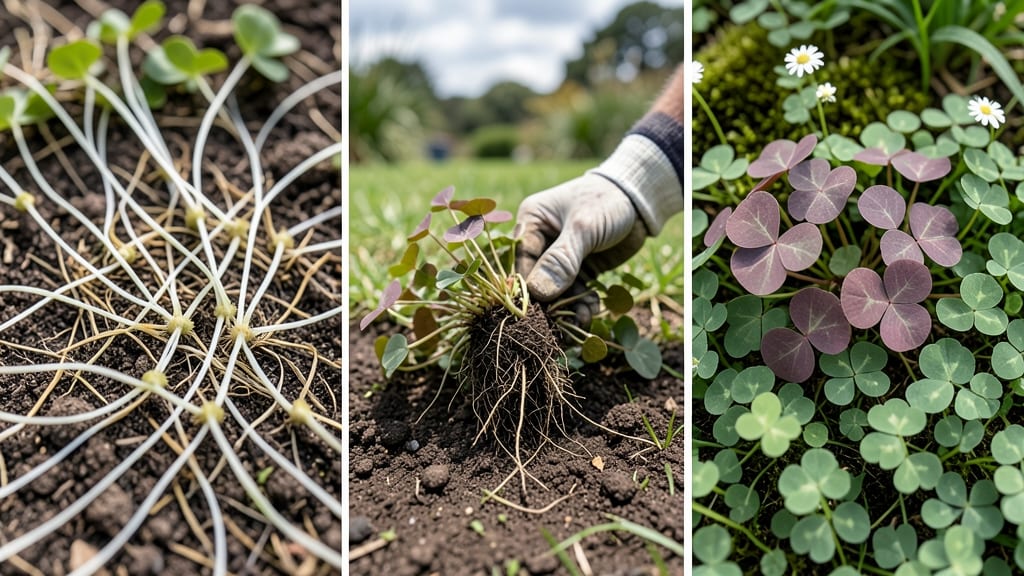
Creeping wood sorrel is considered a weed in many gardens because of its rapid, invasive spread through underground runners and seeds, yet its young leaves offer a tangy, lemony flavor perfect for salads and teas—though its high oxalic acid content requires careful consumption.
This plant's reputation as a weed stems from how quickly it colonizes garden beds, often outcompeting desirable plants. 🌱 While its sharp, citrusy leaves can brighten up dishes, the same traits that make it useful in the kitchen—its aggressive growth and hardiness—make it a nuisance for gardeners who prefer controlled landscapes.
The key is balancing its edible potential with proper management techniques to keep it from taking over your yard.
For those interested in using it culinary, harvest only young leaves before they develop tough stems, and pair it with other greens to moderate the oxalic acid impact.
In gardens, regular removal of emerging shoots and mulching can help suppress its spread while still allowing you to enjoy its unique flavor when needed.
💡 In This Article
- Why Creeping Wood Sorrel Spreads Like a Weed
- Harvesting and Cooking Creeping Wood Sorrel Safely
Why creeping wood sorrel spreads like a weed
Creeping wood sorrel (Oxalis corniculata) earns its weed reputation thanks to its dual propagation system: underground rhizomes and prolific seed production. Each plant develops a sprawling network of horizontal stems that root at nodes, creating new plants every 3-5 inches along the way.
These rhizomes can extend up to 3 feet in a single growing season, forming dense mats that choke out slower-growing plants.
The plant's seeds add another layer of persistence. A single mature sorrel plant can produce 200-300 seeds that remain viable in the soil for 5-10 years, germinating whenever light or disturbance exposes them.
This two-pronged strategy explains why creeping wood sorrel thrives in disturbed soils, garden edges, and shaded areas where many ornamental plants struggle. 🌱 Its ability to photosynthesize efficiently in low light gives it an edge over sun-loving competitors.
Ecologically, this spread isn't entirely negative. The plant's nitrogen-fixing capabilities improve soil quality, and its shallow roots help prevent erosion. However, its competitive advantage comes at a cost for gardeners.
Unlike biennial weeds that die after two years, creeping wood sorrel maintains persistent growth through both vegetative and sexual reproduction, making complete eradication challenging without persistent intervention.
What makes its spread particularly frustrating is its growth timing. New shoots emerge as early as 40°F and continue growing until 90°F, with peak vigor in spring and fall. This extended growing window means gardeners must stay vigilant year-round.
The plant's preference for moist but well-drained soils explains why it often appears after rain or irrigation, taking advantage of temporary water availability.
Contrast this with ornamental plants like hostas or ferns, which spread primarily through rhizomes but at a much slower rate (typically 1-2 feet per year). Creeping wood sorrel's growth rate is 3-5 times faster, creating a feedback loop where each new plant produces more seeds and rhizomes.
This biological efficiency is what transforms it from a harmless ground cover to a garden menace in just a few seasons.
The plant's success also stems from its chemical defenses. Like many weeds, it produces allelopathic compounds that inhibit the growth of nearby plants, further reducing competition. This chemical warfare, combined with its physical spread, creates an ecological dominance that's hard to break without targeted management strategies.