
How To
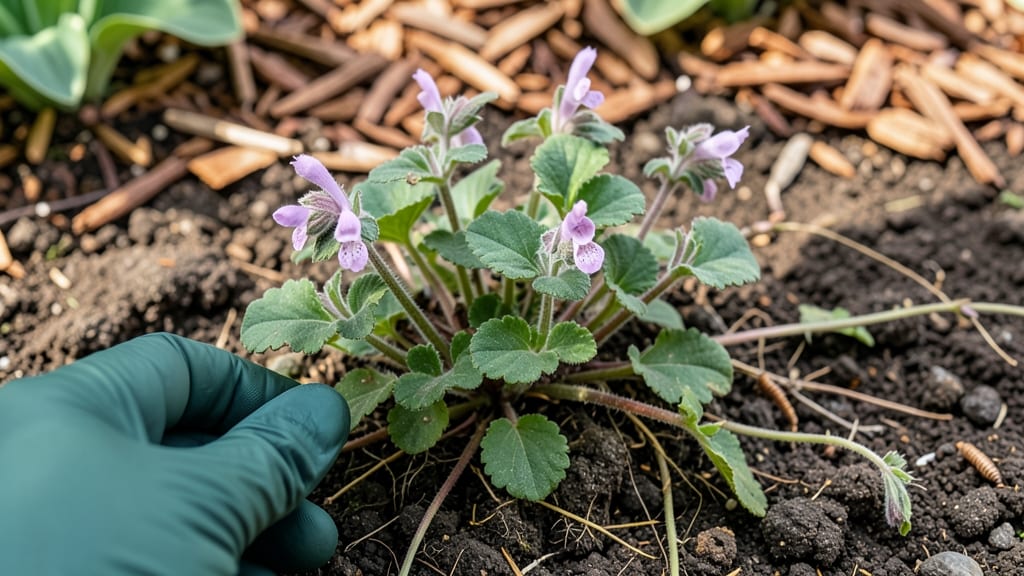
Deadnettle is not a weed in the traditional sense—it’s a beneficial ground cover with edible leaves and flowers, though some gardeners consider it invasive due to its aggressive spread in certain conditions. Its culinary and medicinal uses often outweigh its drawbacks for many growers.
Deadnettle might look like a nuisance with its sprawling growth, but its edible leaves and flowers make it a valuable plant in many gardens. 🌿 Unlike true weeds that drain soil nutrients, deadnettle actually supports pollinators and can be used fresh in salads or dried for teas.
The confusion often comes from its rapid spread—similar to how mint or clover can take over—but its benefits often justify keeping it around.
What sets deadnettle apart from invasive weeds is its dual-purpose nature. Many gardeners intentionally cultivate it for its medicinal properties, like reducing inflammation or aiding digestion, while others suppress it when it spreads too aggressively.
The key is understanding your garden's needs—whether you want to harvest it or manage its growth.
💡 In This Article
- Deadnettle’s Edible and Medicinal Properties
- Managing Deadnettle in Gardens: Control vs. Cultivation
Deadnettle’s edible and medicinal properties
Deadnettle (Lamium spp.) stands out from true weeds because its leaves and flowers are packed with nutrients and bioactive compounds. The plant contains vitamin C (up to 200 mg per 100g), iron, and calcium, making it a powerhouse in wild edible foraging.
Unlike most weeds, which are often nutrient-poor or toxic, deadnettle’s mild, slightly peppery flavor makes it a prized ingredient in European folk medicine and cuisine. 🌱 The leaves can be harvested young and used like spinach, while the flowers add a delicate sweetness to salads or infusions.
Medicinally, deadnettle has been used for centuries to treat respiratory issues, digestive problems, and even minor wounds. Studies show its high tannin content helps with inflammation, while its allantoin compound promotes skin healing—similar to how comfrey is used.
The plant’s astringent properties make it useful for gargles or poultices, though it should never replace professional medical treatment. What’s fascinating is how its chemical composition mirrors that of stinging nettle (Urtica dioica), but without the irritating hairs that make handling nettles uncomfortable.
Culinarily, deadnettle’s versatility sets it apart from most garden weeds. Young leaves can be blanched and used in soups, while older growth works well in teas or as a seasoning. The flowers, with their 1-2 cm size and vibrant colors, are edible and add a subtle minty note.
Unlike true weeds like dandelion (which is bitter) or purslane (which has a tangy crunch), deadnettle offers a balanced, mild flavor that complements both savory and sweet dishes. This makes it a favorite among foragers who prioritize both nutrition and taste.
What most people don’t realize is how deadnettle’s growth habit actually benefits gardens. Its sprawling stems create a living mulch that suppresses true weeds by blocking sunlight, while its flowers attract pollinators like bees and hoverflies.
This dual role—edible plant and garden helper—is what makes deadnettle valuable, even when it spreads aggressively.
The key difference from invasive weeds like bindweed or kudzu is that deadnettle doesn’t choke out other plants or degrade soil health; it simply competes for space in a way that can be managed or even harnessed.
For those curious about trying deadnettle, start with 2-3 leaves per day to test tolerance, as some people experience mild stomach upset from its tannins.
Harvest leaves before flowering for the mildest flavor, and always identify your plant correctly—there are non-edible lookalikes like henbit, which lacks the same nutritional profile. The plant’s resilience means it thrives in poor soil, making it a great option for urban gardens where other crops might struggle. 💫