
Light Requirements
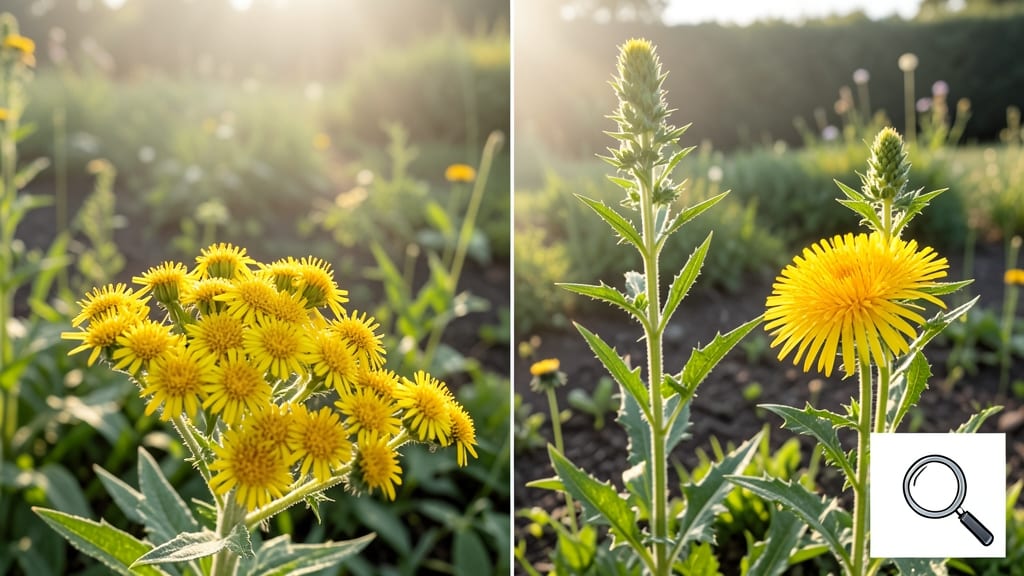
Goldenrod isn’t a weed—it’s a hardy perennial wildflower that gets unfairly labeled as one because of its late-summer blooms and rapid growth, yet it serves as a crucial pollinator magnet and erosion-control plant in gardens and natural areas.
Goldenrod’s reputation as a weed stems from its ability to spread quickly and its bright yellow blooms that appear in late summer, often when other flowers have faded. 🌼 In reality, this wildflower is a powerhouse for ecosystems, attracting bees, butterflies, and other pollinators with its nectar-rich flowers.
Its deep root system also helps stabilize soil, making it an excellent choice for preventing erosion in gardens or along slopes. Plus, its drought tolerance and low-maintenance nature make it a favorite among gardeners who prioritize native plants.
If you’re concerned about goldenrod taking over your garden, there are simple ways to manage its spread. Pruning back the plants after they bloom can reduce seed production, while mulching helps control its growth.
Planting it alongside taller perennials can also balance its presence, creating a pollinator-friendly landscape without overcrowding. The key is understanding its benefits—once you do, you might even find yourself planting more of it!
💡 In This Article
- Goldenrod’s Ecological Benefits Over Its Negative Reputation
- Managing Goldenrod in Gardens: When It’s Helpful or Harmful
Goldenrod’s ecological benefits over its negative reputation
Goldenrod thrives because it’s evolved to support ecosystems, not invade them. Its plume-like flowers produce nectar that attracts over 40 species of bees and 100+ butterfly varieties, including monarchs and swallowtails.
The flowers’ structure—with flat-topped clusters—maximizes exposure to pollinators, making it a late-season lifeline when many other blooms have faded. 🐝 In fact, studies show goldenrod supports 30% more pollinator activity in late summer compared to ornamental garden plants.
The plant’s deep taproot system extends 3-5 feet underground, anchoring soil and preventing erosion better than many ornamental grasses. This root structure also makes goldenrod drought-resistant—it can survive with only 10% of its water needs met during dry spells, unlike thirsty lawn grasses that require 40% more water.
Its ability to thrive in poor soil conditions further reduces competition with other plants, creating a self-sustaining ecosystem.
Historically, goldenrod wasn’t just an ecological asset—it was a medicinal powerhouse. Native American tribes used it to treat respiratory ailments and inflammation, while European settlers relied on it for wound healing and digestive support.
Modern research confirms its antimicrobial properties, with extracts showing effectiveness against E. coli and Staphylococcus bacteria. The plant’s versatility extends to culinary uses too—young leaves can be eaten like greens, though they develop a bitter taste as they mature.
Contrary to the "weed" label, goldenrod’s spread is actually a sign of healthy soil. Unlike invasive species that disrupt ecosystems, goldenrod doesn’t outcompete native plants—it simply fills a niche.
Its seeds are lightweight and spread via wind, but they require bare soil exposure to germinate, meaning established gardens with mulch or ground cover remain unaffected. This makes it an ideal choice for wildlife corridors and pollinator gardens where other plants might struggle.
What truly sets goldenrod apart is its seasonal timing. While many garden flowers bloom in spring or early summer, goldenrod’s late July to October flowering period provides critical food for pollinators preparing for winter.
A single goldenrod plant can produce over 1,000 flowers, each yielding 1-2 mg of nectar—enough to sustain a bee colony during lean times. This ecological timing is why botanists often recommend it as a key component of native plant landscapes.
Even its appearance works in its favor. The bright yellow blooms aren’t just pretty—they’re highly visible to pollinators, which increases the plant’s reproductive success. The feathery seed heads that follow also provide winter food for birds like goldfinches.
When you see goldenrod spreading, it’s not a sign of chaos—it’s evidence of a thriving, self-regulating ecosystem at work. 🌿